
Key Characteristics:
- High Elasticity: Quickly restores its original shape under pressure, providing superior rebound performance.
- Excellent Cushioning: Effectively absorbs shock and impact, protecting objects from damage.
- Breathability and Comfort: Offers excellent breathability, making it ideal for products that come into direct contact with the human body, such as mattresses and seating.
- Durability: UV-resistant, wear-resistant, and high-temperature resistant, ensuring long-term use.
- Adjustable Density and Hardness: By adjusting the raw material ratio and foaming process, foams of different densities and hardness levels can be produced to meet specific product needs.
High Comfort And Support
Ideal for applications where prolonged contact with the human body is required, ensuring comfort and reducing fatigue.
Flexibility And Customization
The material’s flexibility allows for customization in terms of hardness and density to meet various performance needs.
Environmental Friendliness
High-quality polyurethane foam materials can be recycled, reducing environmental impact.
Durability
Resistant to aging and compression, ensuring that products maintain their shape and performance over time.
Typical Properties of Flexible Foam Material
| Property | Typical Value Range | Unit | Test Method |
| Density | 12 – 60 | kg/m³ | ISO 845 |
| Compression Hardness (CLD) | 1.0 – 6.0 | kPa (at 40% strain) | ISO 3386 |
| Tensile Strength | 80 – 200 | kPa | ISO 1798 |
| Elongation at Break | 100 – 300 | % | ISO 1798 |
| Resilience (Ball Rebound) | 30 – 60 | % | ISO 8307 |
| Compression Set (24h/70°C) | ≤10 | % | ISO 1856 |
| Cell Structure | Open-cell | – | Visual / SEM |
| Flame Retardancy (optional) | Can meet FMVSS 302 / UL94 HF-1 | – | With additives |
Note: Exact values depend on formulation and production parameters.
Different Applications of Flexible Foam Material
Flexible polyurethane foam is valued for its excellent resilience, softness, and versatility. It plays an essential role across multiple industries. Below are six major application areas:

Furniture
Flexible foam is widely used in sofas, mattresses, cushions,pillows and seating due to its superior comfort and support. By adjusting the foam’s density and firmness, manufacturers can meet a variety of ergonomic and design requirements—ranging from ultra-soft to high-support furniture solutions—with enhanced durability.
Automotive Industry
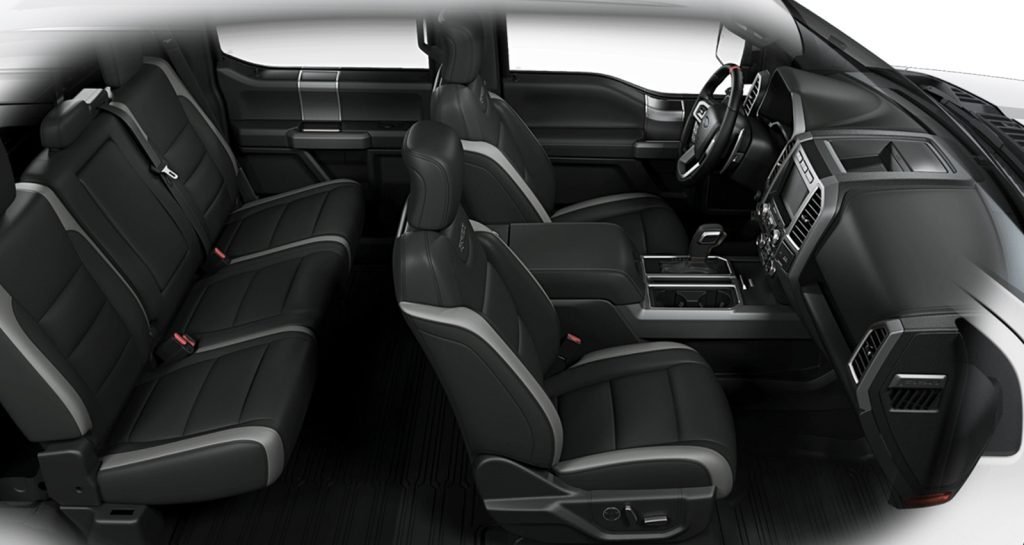
In automotive interiors, flexible foam is used in seats, headrests, armrests, door panels, and roof linings. Its superior shock absorption and fatigue resistance, along with light weight and acoustic insulation properties (NVH control), contribute to improved ride comfort and passenger safety.
Footwear And Apparel
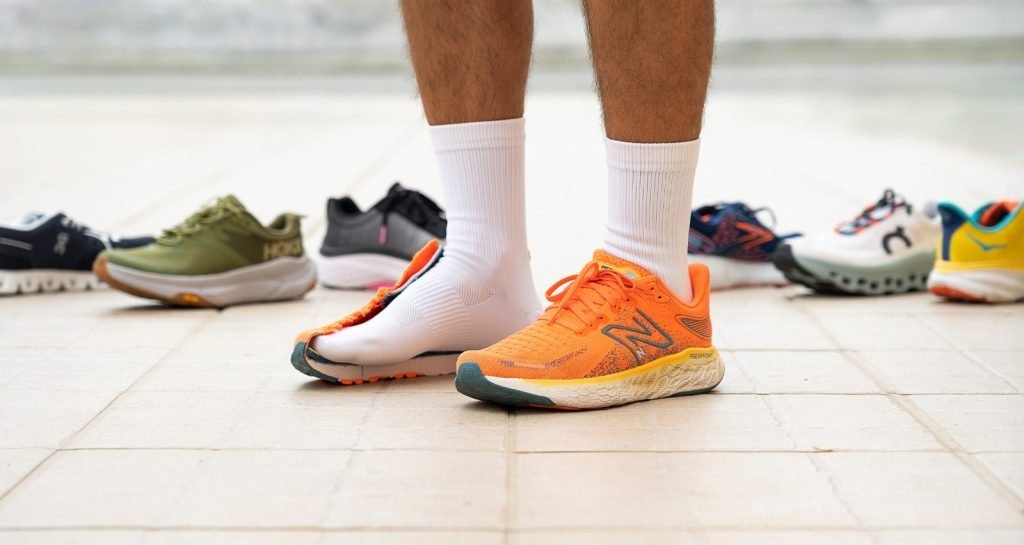
Flexible foam is commonly found in midsoles, insoles, ankle padding, shoulder pads, and bra cups. It provides excellent cushioning, breathability, and comfort, helping reduce impact, improve support, and enhance overall user experience in sports and daily wear.

Fitness And Rehabilitation Equipment
In the fitness and healthcare sectors, flexible foam is used in products such as yoga mats, dumbbell coatings, therapy cushions, and positioning pads. These materials offer non-slip, pressure-resistant, and skin-friendly properties—ideal for high-frequency use and physical contact.
Toys And Consumer Goods
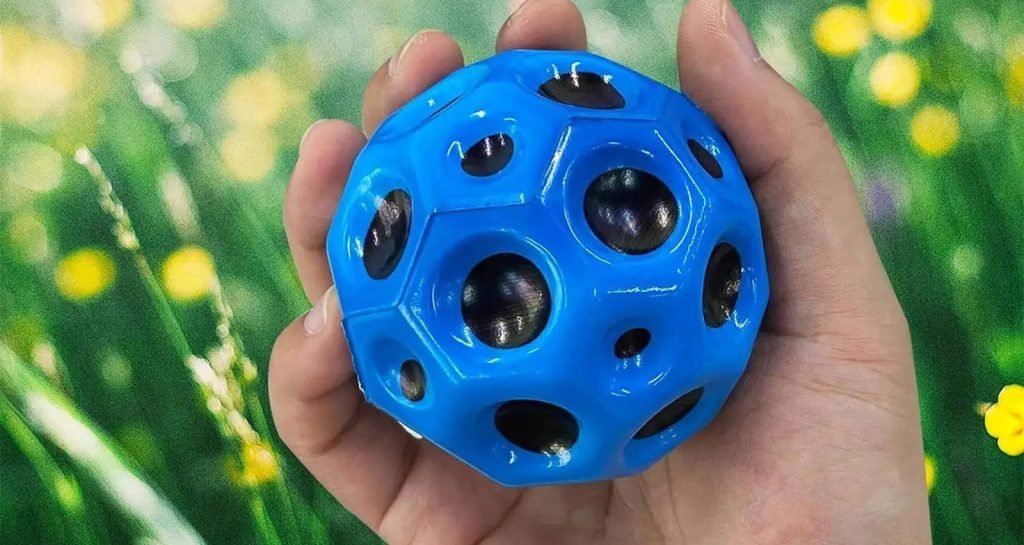
Polyurethane flexible foam materials are widely used in the production of toys because of their softness, lightness, good resilience, safety and environmental protection. It supports customization of multiple colors and shapes to meet the diverse needs of toy design.
FAQs of Flexible Foam Material
What is flexible polyurethane foam?
Flexible polyurethane foam is a lightweight, open-cell foam known for its softness, elasticity, and cushioning properties. It is widely used in furniture, bedding, automotive seating, and other comfort-oriented applications.
What are the main advantages of flexible foam?
Flexible foam offers excellent comfort, resilience, lightweight structure, impact absorption, sound insulation, and versatility in processing. It can be tailored in density, hardness, and shape for a wide range of uses.
What raw materials are used to produce flexible foam?
The main raw materials include polyether polyols, isocyanates (typically MDI), water (as a blowing agent), catalysts, surfactants, and other additives to control foam structure and properties.
What is the difference between high-density and low-density foam?
High-density foam is firmer and more durable, suitable for applications requiring structural support (e.g., seat bases), while low-density foam is softer and lighter, ideal for cushioning and comfort layers.
Is flexible foam safe and environmentally friendly?
Yes, modern flexible foam can be formulated to be low-VOC, non-toxic, and compliant with environmental regulations such as REACH and RoHS. Flame retardant and eco-friendly versions are also available upon request.
Can flexible foam be recycled?
Yes, flexible PU foam can be mechanically recycled into bonded foam products or chemically processed into polyols. Some manufacturers also use production scrap for secondary applications.
What are the common production methods for flexible foam?
Flexible foam is typically produced using continuous slabstock lines or batch box foaming systems. It can be cut, molded, or shaped based on application needs.
How do I choose the right foam grade for my application?
Selection depends on factors like required firmness, durability, load-bearing capacity, and intended use (e.g., bedding vs. automotive). We can assist with formulation customization to meet your exact needs.
What is the lifespan of flexible foam products?
When properly formulated and used in appropriate applications, flexible foam products can last 5–15 years or more, depending on usage conditions and environmental exposure.
Do you provide equipment and technical support for flexible foam production?
Yes, we offer complete flexible foam production equipment—including high- and low-pressure foaming machines, mixing heads, conveyors, and cutting systems—along with technical support and training.