
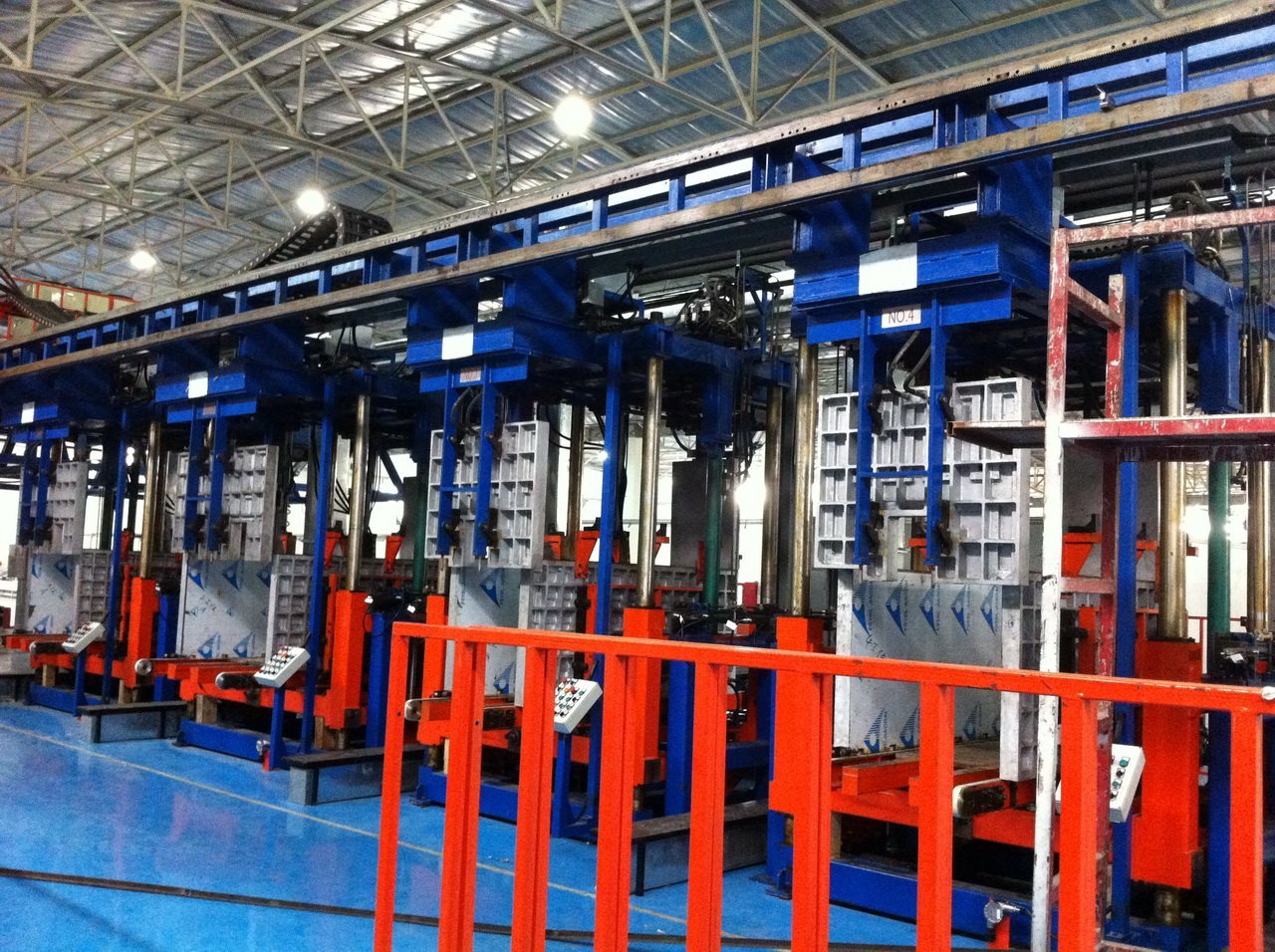
Different Type of Refrigerator Production Line
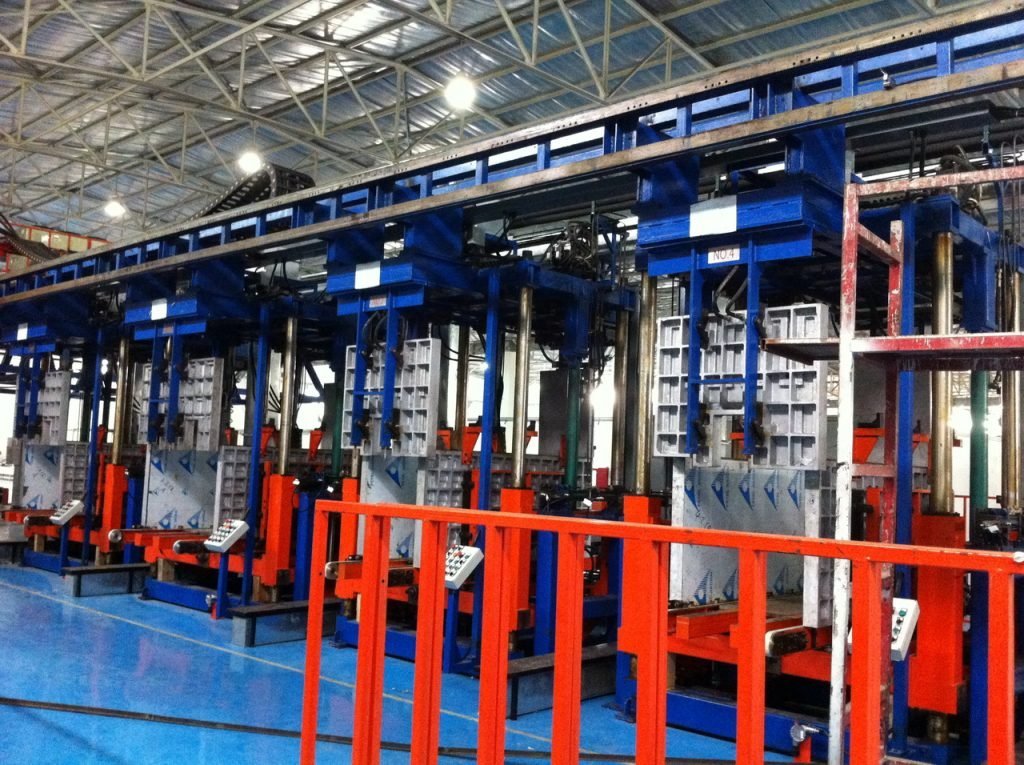
Refrigerator Linear Foaming Line (Pneumatic Type)
This production line adopts a linear configuration with water heating and is specially designed for efficient and flexible box foaming operations using cyclopentane or other compatible foaming media. Engineered for versatility and performance, the line features advanced automation and safety systems to enhance productivity and user control.
Key Features
- Automatic bubble-blocking function ensures foam consistency and quality.
- Pneumatic clamping system: Cylinder-driven lifting mechanism provides reliable mold engagement.
- Quick mold change mechanism: Cylinder-actuated connecting rod locking system allows fast and secure mold changes.
- Dual control modes: Equipped with both manual and electrical self-locking devices for safe and flexible operation.
- Adaptable design: Accommodates boxes of varying lengths, widths, and heights.
- Compact footprint with high functionality and efficient throughput, ideal for modern foaming lines.
General Technical Specifications
Parameter | Specification |
Box Size Range | Max: 2000 × 2000 × 700 mm |
Curing Time | 6 – 15 minutes |
Filling Method | Single-gun head, one-end injection |
Foaming Medium | POL mixed with HCFC141b |
Workstations | 16 total (8 stations per line × 2 lines) |
Production Cycle | 30 seconds (excluding labor input) |
Box Types Supported | Up to 8 different box types simultaneously |
Power Supply | 380V, 50Hz, total power ≤ 380 kW |
Air Supply Requirements | Operating pressure ≥ 0.5 MPa |
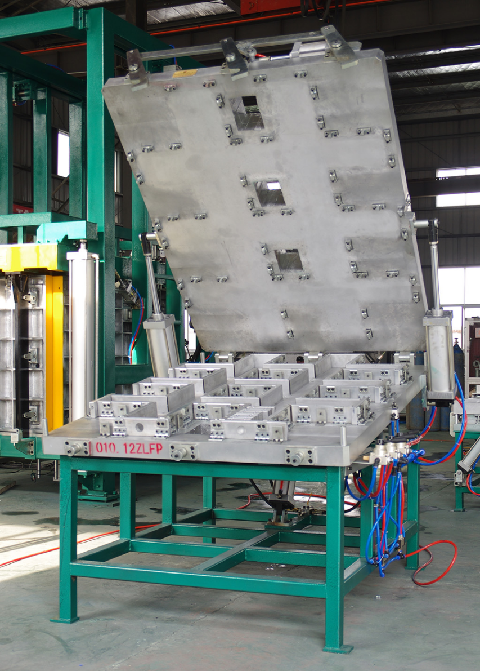
Supermarket Vegetable Storage Refrigerator Foaming Machine
This production line adopts a linear configuration with water heating and is specially designed for efficient and flexible box foaming operations using cyclopentane or other compatible foaming media. Engineered for versatility and performance, the line features advanced automation and safety systems to enhance productivity and user control.
Key Features
- Automatic bubble-blocking function ensures foam consistency and quality.
- Pneumatic clamping system: Cylinder-driven lifting mechanism provides reliable mold engagement.
- Quick mold change mechanism: Cylinder-actuated connecting rod locking system allows fast and secure mold changes.
- Dual control modes: Equipped with both manual and electrical self-locking devices for safe and flexible operation.
- Adaptable design: Accommodates boxes of varying lengths, widths, and heights.
- Compact footprint with high functionality and efficient throughput, ideal for modern foaming lines.
General Technical Specifications
Parameter | Specification |
Box Size Range | Max: 2000 × 2000 × 735 mm |
Curing Time | 6 – 15 minutes (adjustable) |
Filling Method | Single gun head, horizontal injection from one end |
Foaming Medium | POL mixed with HCFC141b, cyclopentane, or HFC245fa + ISO |
Number of Workstations | 1 workstation |
Production Cycle | 30 seconds (excluding labor time) |
Box Production Flexibility | Supports mixed production of various box sizes simultaneously |
Power Supply | 380V, 50Hz, total power ≤ 2 kW |
Air Pressure Requirement | Working pressure ≥ 0.5 MPa |
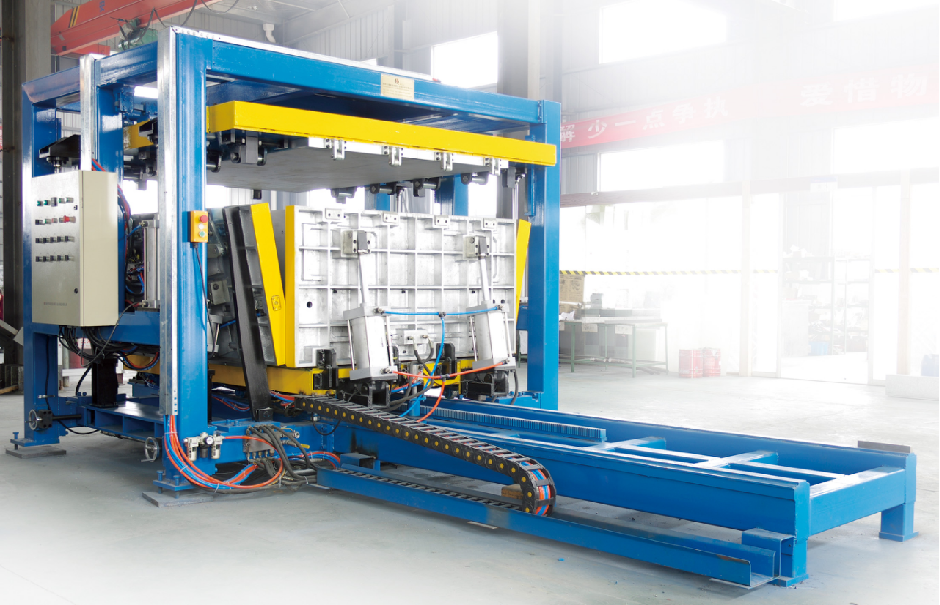
Single-station Refrigerator Linear Foaming Machine
This specialized foaming station features a linear layout with a water heating system, designed for efficient and flexible cabinet foaming. It is equipped with an automatic bubble-blocking function to ensure foaming quality and consistency. The fixture lifting mechanism is driven by either hydraulic or pneumatic systems, allowing precise and stable operation. The station accommodates boxes of various lengths, widths, and heights, making it highly adaptable for modern production needs.
Key Features
- Linear layout for streamlined workflow and compact installation
- Automatic bubble-blocking to prevent foam defects
- Hydraulic or pneumatic clamping lift for smooth, reliable operation
- Adaptable to various box sizes for flexible production
- Ideal for cyclopentane foaming, meeting high safety and environmental standards
- Compact footprint, strong functionality, and high production efficiency
General Technical Specifications
Parameter | Specification |
Box Size Range | Max: 2000 × 2000 × 735 mm |
Curing Time | 6 – 15 minutes (adjustable) |
Filling Method | Single gun head, horizontal injection from one end |
Foaming Medium | POL mixed with HCFC141b, cyclopentane, or HFC245fa + ISO |
Number of Workstations | 1 workstation |
Production Cycle | 30 seconds (excluding labor time) |
Box Production Flexibility | Supports mixed production of 4 to 6 different box specifications simultaneously |
Power Supply | 380V, 50Hz, total power ≤ 0.8 kW |
Air Pressure Requirement | Operating pressure ≥ 0.5 MPa |
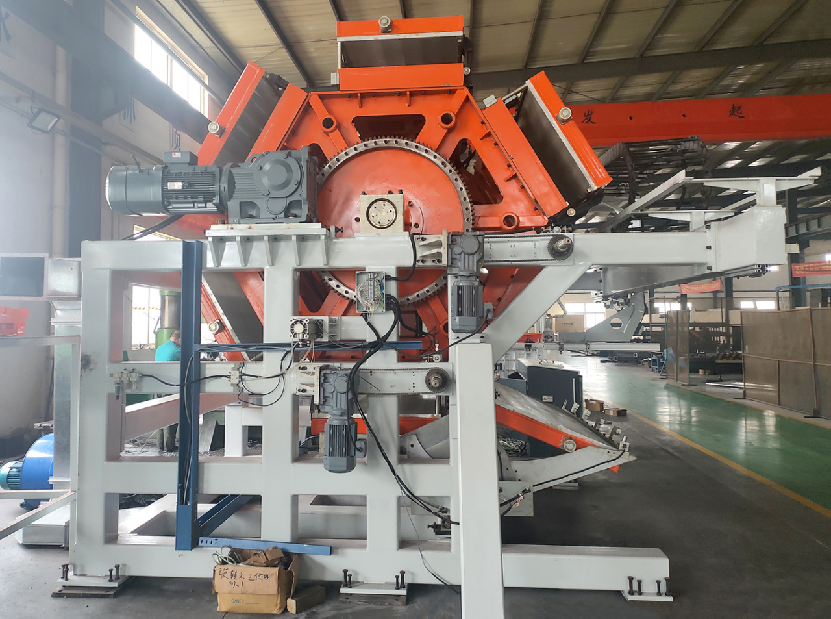
Six-station Rotary Door Foaming Line (same Service Motor Type)
This rotary seven-station line is used for fluorine-free foaming of refrigerator doors. The operator places the door shell and liner into the mold. The lower mold frame rises, and the automatic filling system injects foam as per preset parameters. After filling, the trolley returns, and the turntable rotates. During rotation, the mold closes automatically. Once in position, cylinders engage for positioning, clamping, and pressing. After pressing, the mold unlocks and lowers to open. The operator removes the finished product and loads the next components, completing one cycle.
Key Features
- Rotary 7-Station Design: Circular layout with 7 (or optional 8) stations enables smooth, continuous high-volume production.
- Automated Precision Filling: Programmable mixing head ensures consistent, high-quality foam injection.
- Integrated Mold System: Clamping, locking, and holding cylinders guarantee accurate positioning and firm sealing.
- Compact Footprint: Space-saving design (approx. 6.1m × 6.0m), ideal for limited factory space.
- Fast Cycle Time: 65-second cycle (excluding manual steps), balancing speed and consistency.
General Technical Specifications
Parameter | Specification |
Overall Dimensions (L × W × H) | Approx. 6100 × 6000 × 4600 mm |
Template Size (L × W) | 2000 × 900 mm |
Number of Workstations | 7 (optional 8) |
Mold Closure Height | 200 mm |
Production Cycle | 65 seconds (excluding labor time) |
Foaming Medium | HCFC141b, Cyclopentane, or HFC245fa + ISO |
Power Supply | Approx. 65 kW, 380V, 50Hz |
Work Process of Refrigerator Production Line
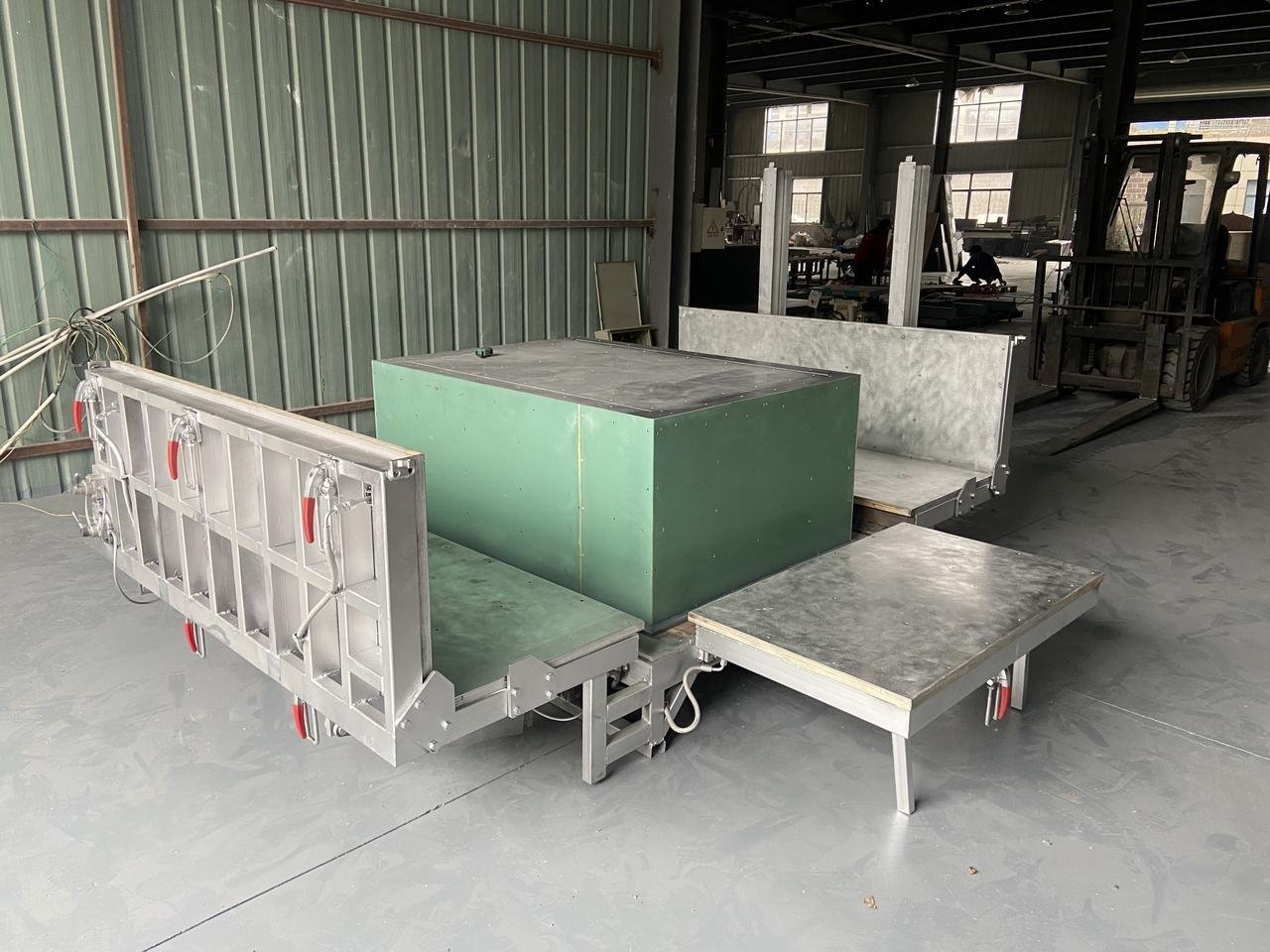
Step 1: Mold Fabrication
The first step involves creating precision molds that will shape the refrigerator’s outer shell and internal components. These molds are designed to ensure the correct form and structure for the final product.
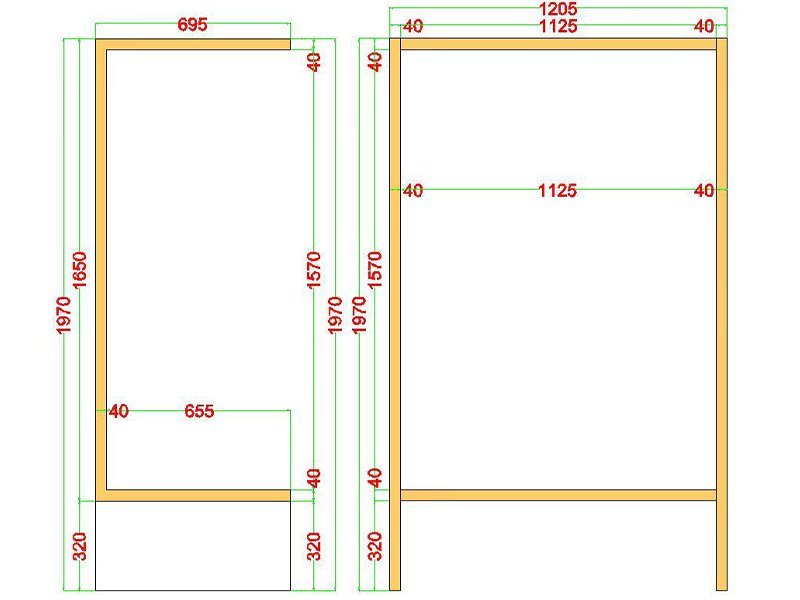
Step 2: Sheet Metal Design
Detailed sheet metal drawings are prepared, outlining the exact dimensions and specifications for the metal components of the refrigerator. These drawings guide the production of the metal parts that will form the outer casing and structural framework.
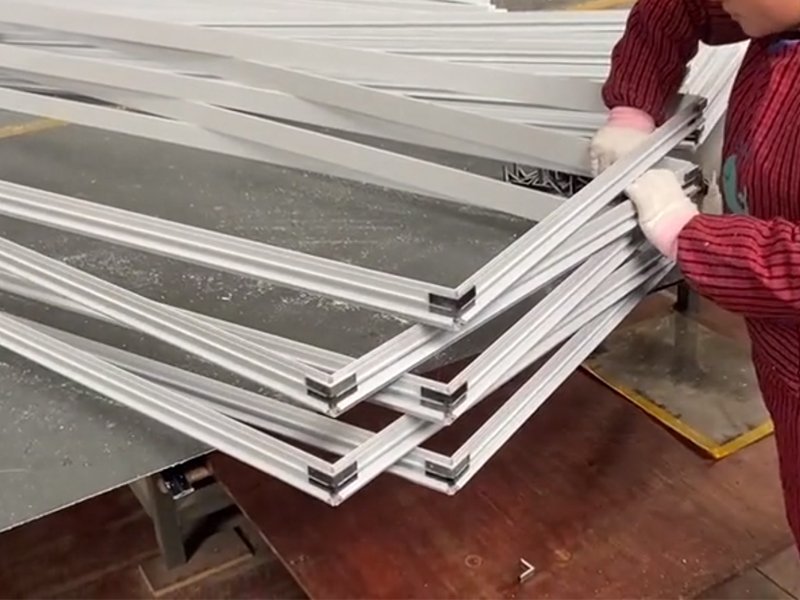
Step 3: Assembling Plastic Door Frame
The plastic door frame is assembled, which will serve as the framework for the refrigerator door. This step is crucial for ensuring the durability and proper insulation of the door.
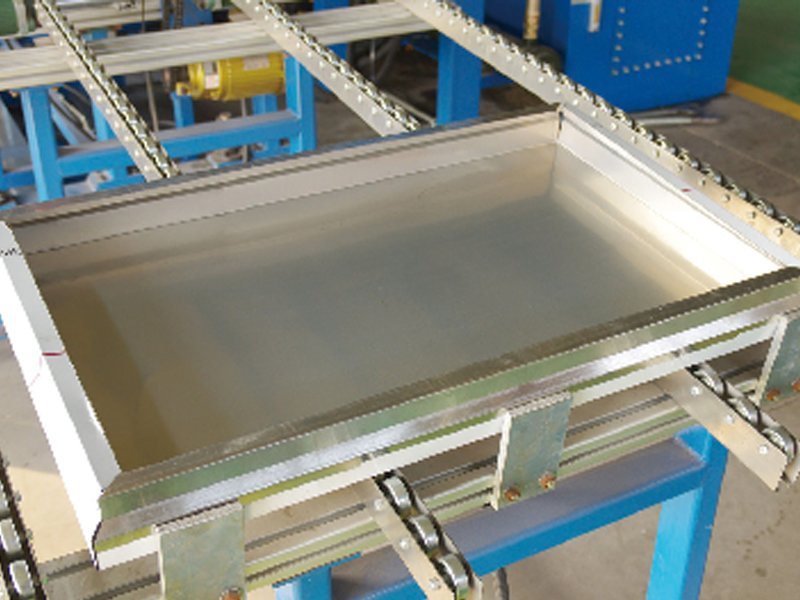
Step 4: Manufacturing Sheet Metal Parts
The sheet metal parts, which include the refrigerator’s outer shell and internal panels, are fabricated based on the previously designed drawings. These parts are cut, shaped, and prepared for assembly.
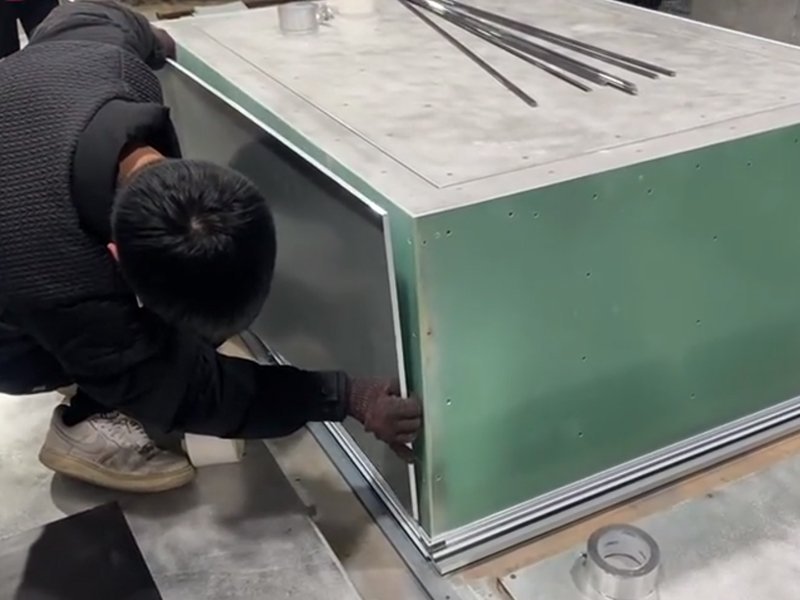
Step 5: Sheet Metal Assembly
The individual sheet metal components are carefully spliced and welded together to form the main structure of the refrigerator. This process ensures a robust and durable outer shell.
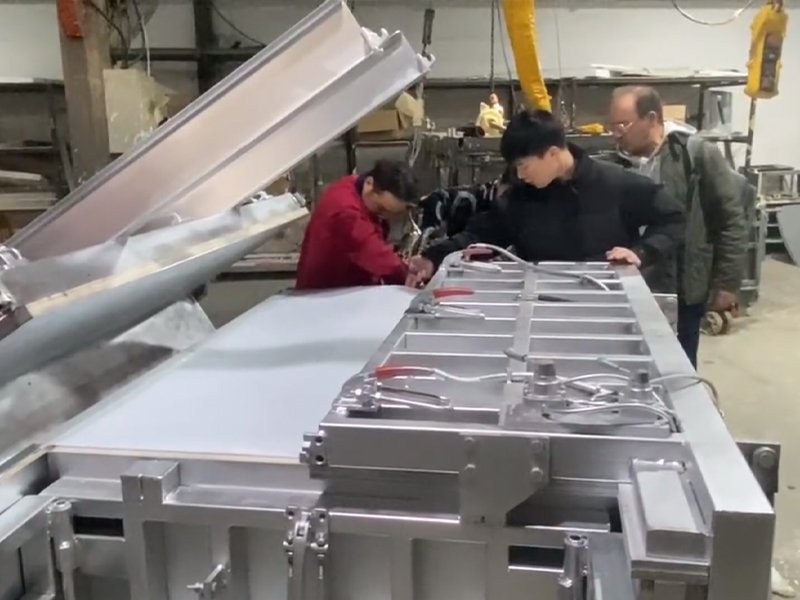
Step 6: Raw Material Pouring
Polyurethane foam components are injected into the mold. This process involves pouring the polyurethane material into the mold, where it expands and hardens, providing excellent insulation properties for the refrigerator.
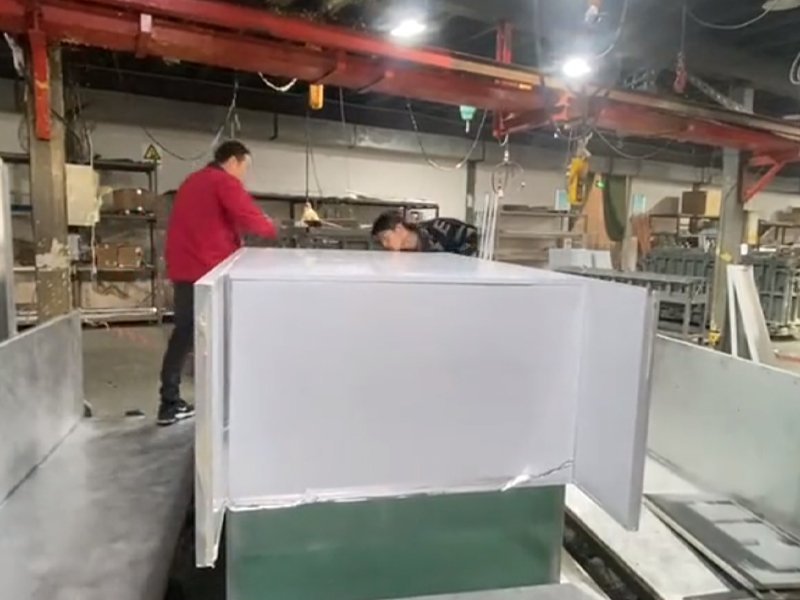
Step 7: Removing The Finished Product
Once the polyurethane foam has cured, the refrigerator is carefully removed from the mold. The final product is now complete and ready for further assembly, quality testing, and packaging.
Releated Products Of Refrigerator Production Line
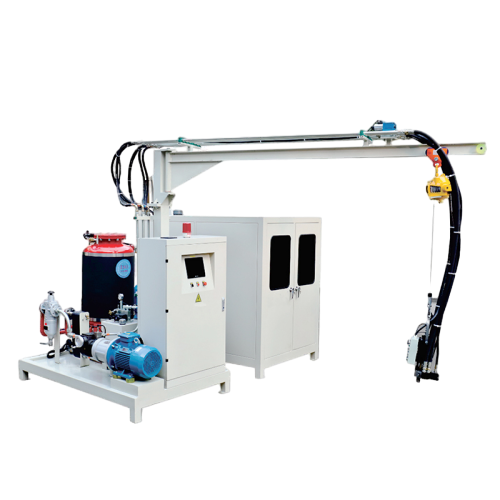
Cyclopentane High Pressure Foam Machine
This machine is used to mix and inject polyurethane foaming agents (polyol and isocyanate) along with cyclopentane as the eco-friendly blowing agent. Cyclopentane replaces harmful CFCs, making the process compliant with environmental regulations.
Features
- High-precision metering pumps ensure accurate material ratios
- Closed-loop temperature and pressure control for consistent foaming quality
- Explosion-proof design for cyclopentane safety
- Energy-saving and environmentally friendly
- Dual mixing heads available for higher productivity or multi-cavity injection
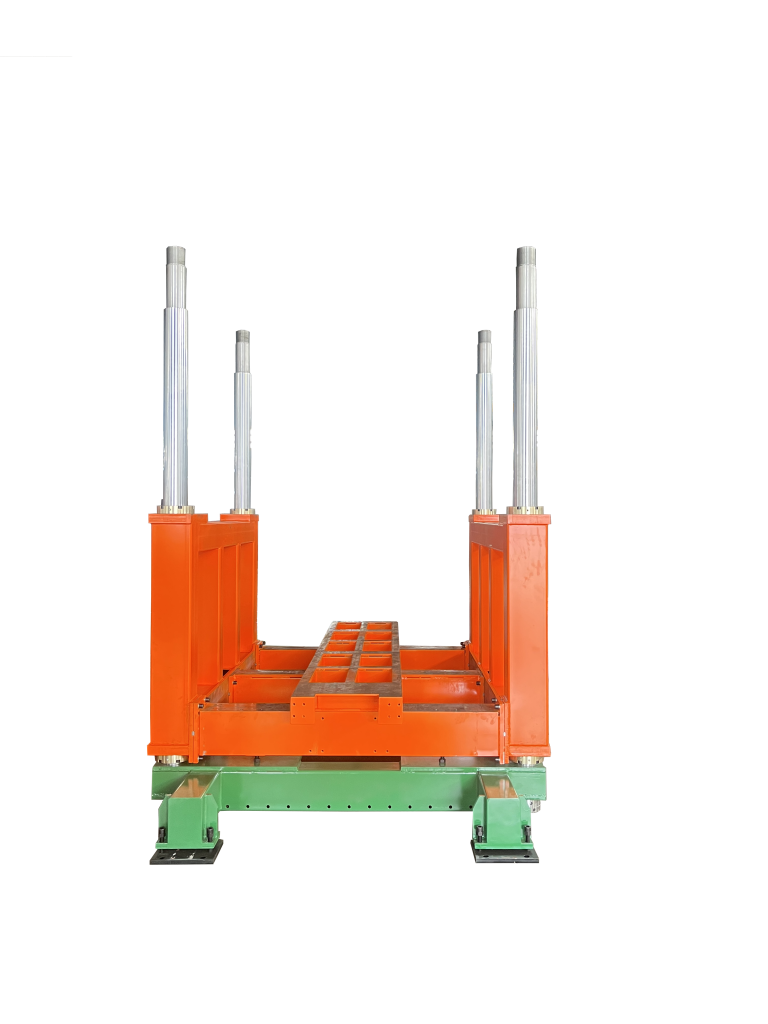
Fixture
Each fixture is composed of a top frame, guide column frame, moving frame, and lifting drive system.
- Top Fixture Frame: This section includes the main top frame, front and rear baffles with adjustable mechanisms, side panel locking wheels, a pneumatic mold locking system, and mold positioning pins.
- Top Frame: Constructed from profiles no smaller than 100×200×6 mm and steel plates, the frame is welded and then subjected to stress-relief aging treatment before precision machining. It serves as the mounting base for the baffles, mold locking devices, and lifting mechanism.
- Front and Rear Baffles: Made from cast aluminum plates, each baffle contains embedded copper circulating water pipes for efficient temperature control. They are hinged to the top frame and securely locked to the bottom plate to maintain a tight mold seal.
- Side Panel Locking Wheels: These components fix the side mold panels in place using a three-point locking mechanism per side. This design effectively prevents the side panel from bulging during the foaming process, ensuring uniform foam quality inside the box.
- Mold Locking Device: Consisting of pneumatic cylinders, connecting rods, and locking hooks, the system provides either four-point or six-point locking based on the mold design, ensuring stable and secure mold closure during injection and foaming.
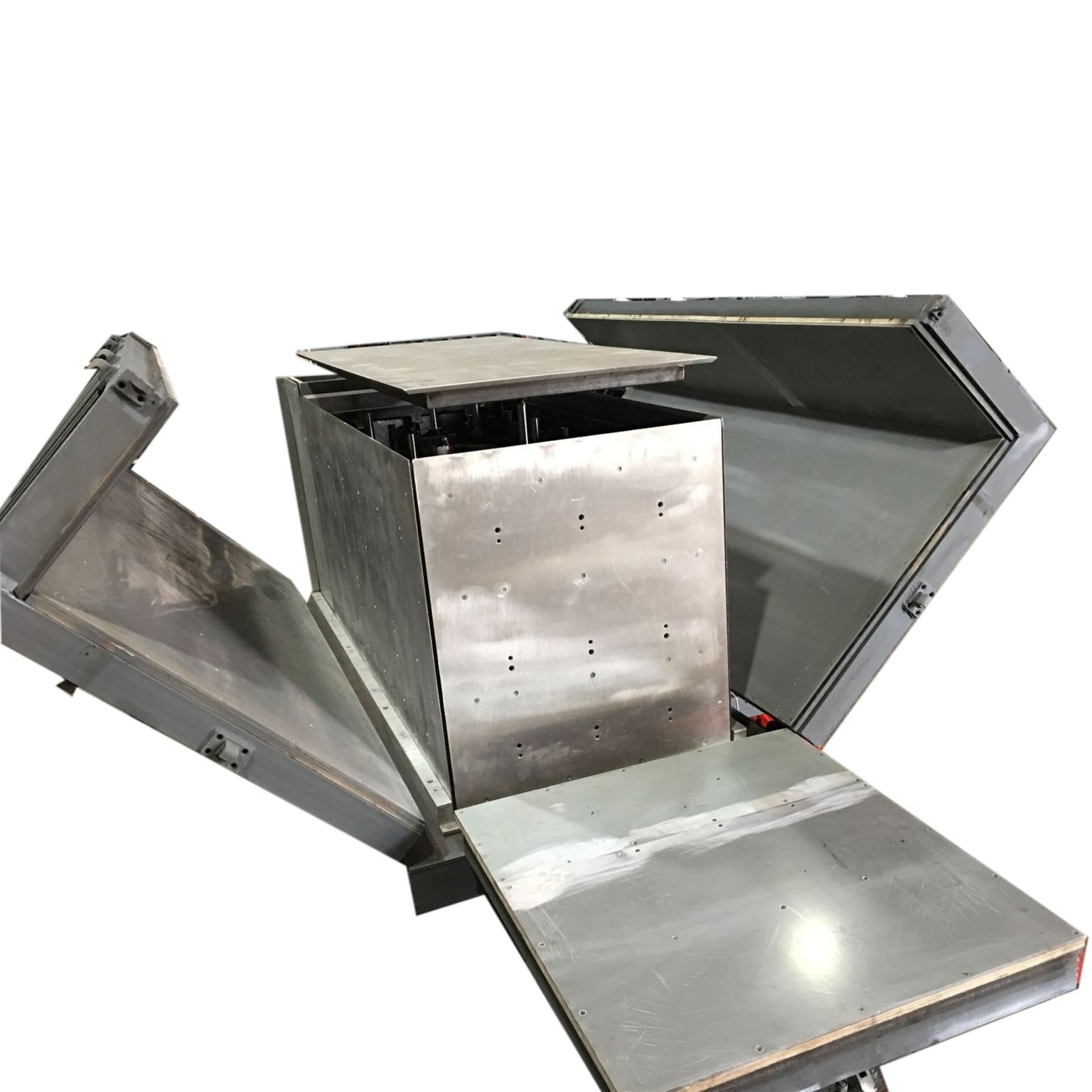
PU Mold
We can not only customize the overall mold of the refrigerator according to customer requirements but also excel in the design and manufacture of various components, including but not limited to:
- External Mold: Precisely control the size, shape, and surface texture of the external shell to create a beautiful and durable refrigerator appearance.
- Internal Mold: Ensure the sealability, thermal insulation, and food safety of the internal liner, meeting different storage needs.
- Door Mold: Realize diversified door design, including embedded handles, display screen integration, and more, to enhance user experience.
- Shelf Mold: Provide various materials and structural shelf molds to meet different load-bearing and space utilization needs.
- Drawer Mold: Design and produce various functional drawer molds, such as fresh-keeping drawers and freezer drawers, to meet refined storage needs.
- Other Component Molds: Including ice maker molds, lighting system molds, control panel molds, and more, fully covering all components of the refrigerator.
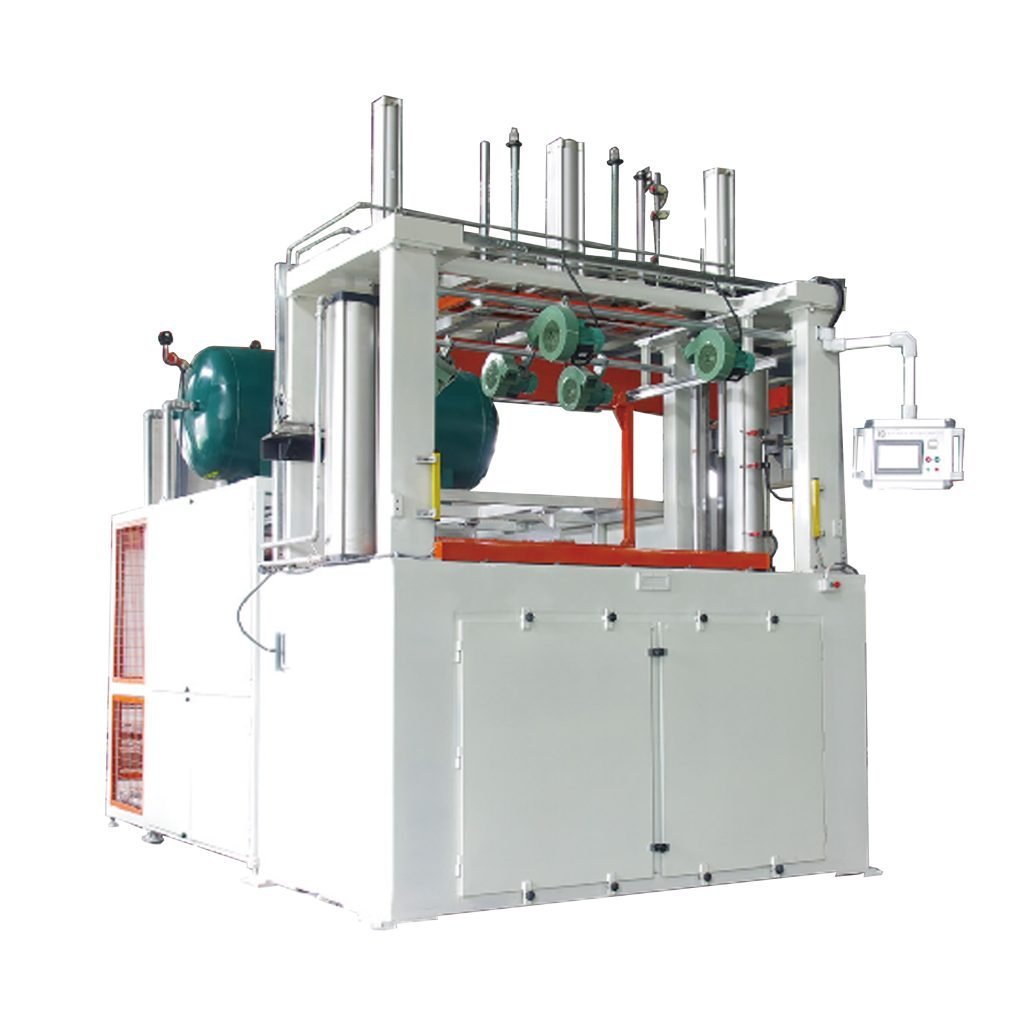
Single Station Moulding Machine
The forming machine is responsible for shaping refrigerator liners (usually made from plastic such as HIPS or ABS) through vacuum forming or pressure forming. It heats plastic sheets and molds them into the inner cavity shape of the refrigerator.
Features
- Automatic sheet feeding, heating, and forming system
- Adjustable mold sizes for various refrigerator models
- Quick mold change system for flexible production
- Uniform heating system ensures wrinkle-free, bubble-free liners
- Compatible with recycled or virgin plastic materials
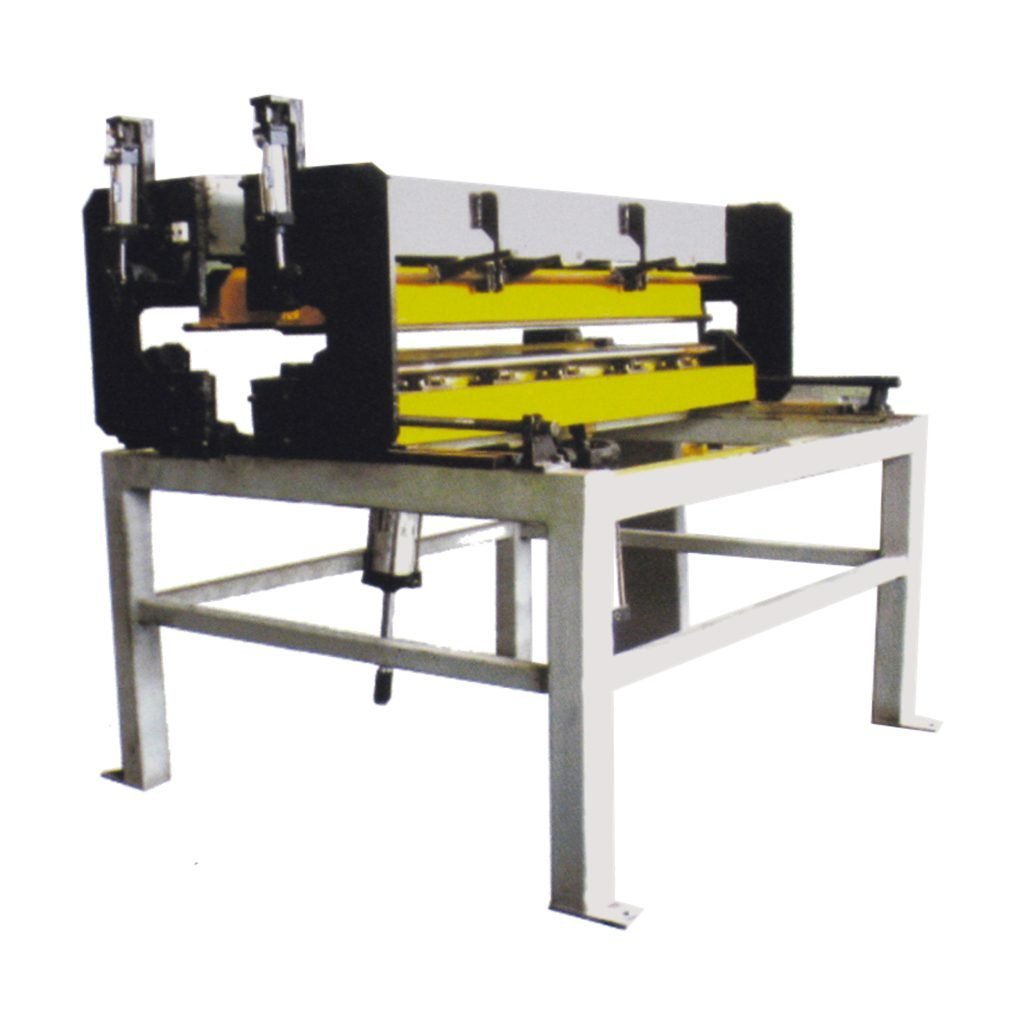
Bending Machine
The bending machine is used to process sheet metal parts, forming the refrigerator’s outer shell and internal structures. It precisely bends metal sheets according to design specifications, ensuring accurate dimensions and consistent results.
Features
- High precision CNC control for automated, programmable operations
- Suitable for stainless steel, galvanized steel, and cold-rolled sheets
- Fast bending speed with minimal manual intervention
- Enhances overall productivity and reduces labor cost
- Consistent bending angles ensure perfect fitting in refrigerator assembly
FAQs of Refrigerator Production Line
What is the advantage of using polyurethane in refrigerator manufacturing?
Polyurethane foam offers excellent thermal insulation, which helps maintain consistent internal temperatures and reduces energy consumption. It also has a low density, making it lightweight, while still maintaining structural integrity and durability.
How does the polyurethane foam injection process work?
During the production process, a high-pressure polyurethane foaming machine mixes polyether polyol (A-component) and isocyanate (B-component) in precise ratios and injects the mixture into molds. The chemical reaction causes the mixture to expand and solidify, forming the foam insulation.
What types of refrigerators can be produced using this production line?
This production line can be used to produce a variety of refrigerator types, including household refrigerators, commercial freezers, chest freezers, and refrigeration units for transportation, with customizable designs to meet different customer needs.
What is the typical production capacity of a polyurethane refrigerator production line?
The production capacity depends on the size and automation level of the line, but typically, a fully automated production line can produce up to several hundred units per day, maximizing efficiency.
What materials are used for the outer shell of the refrigerator?
The outer shell is typically made from cold-rolled steel, stainless steel, or galvanized steel, depending on the desired strength, corrosion resistance, and appearance.
How do you ensure the quality of the finished refrigerators?
We implement stringent quality control measures throughout the production process, including thermal insulation tests, compressive strength tests, door sealing tests, and final product inspections to ensure each refrigerator meets the highest standards.
How long does it take to manufacture a refrigerator using this production line?
From mold preparation to the final assembly, it generally takes several hours to complete the production of a single refrigerator. This process can vary depending on the complexity and type of refrigerator being produced.
Can the production line be customized for specific needs?
Yes, the production line can be customized to produce different sizes, styles, and configurations of refrigerators, and can also include additional features such as energy-efficient cooling systems, smart technology integration, and more.
What is the lifespan of the molds used in the production line?
The molds are made from high-strength steel and are designed to withstand thousands of production cycles. With proper maintenance, the molds can last for several years, depending on the intensity of use.
What is the maintenance process for the polyurethane refrigerator production line?
Regular maintenance includes checking and cleaning the foaming machines, ensuring that the molds are in good condition, and performing routine inspections of the entire production line. This helps maintain optimal production performance and prevents downtime.
What are the environmental benefits of using polyurethane in refrigerator production?
Polyurethane foam has low environmental impact, with reduced energy consumption due to its high insulation properties. Additionally, modern production processes ensure minimal waste and the use of environmentally friendly raw materials.
Can the production line be upgraded to handle new technologies?
Yes, the production line can be upgraded to integrate newer technologies such as smart refrigeration features, improved energy-efficient systems, and better control mechanisms for better quality and productivity.