
Precision And Detail
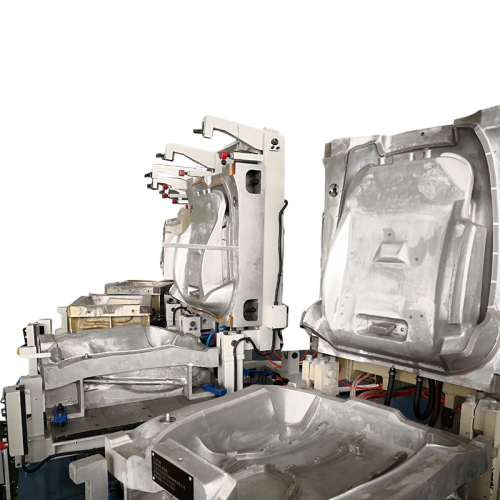
Aluminum molds can be precisely machined to create intricate and detailed shapes, making them ideal for complex polyurethane products like automotive interiors and high-precision parts.
CRM Consulting
Aluminum molds are easier to handle due to their lightweight nature, reducing the need for heavy lifting equipment and improving overall efficiency on the production line.
Cost-Effectiveness
Resistant to aging and compression, ensuring that products maintain their shape and performance over time.
Efficient Heat Transfer
Aluminum molds offer excellent thermal conductivity, essential for controlling the curing process of polyurethane. This helps in producing consistent and high-quality foams with optimal properties.
Quick Turnaround And High Efficiency
Aluminum molds heat up and cool down faster than other metals, which significantly reduces cycle times. This is especially important in high-volume PU foam production, allowing for more parts to be made in a shorter time.
Typical Technical Specifications of Aluminum Mold
Property | Unit | Typical Value | Remarks |
Material | – | Aluminum Alloy (e.g. 6061, 7075) | Heat-treated for strength and durability |
Hardness | HB | 60–150 | Depends on alloy and heat treatment |
Tensile Strength | MPa | 260–570 | 6061-T6 to 7075-T6 range |
Thermal Conductivity | W/m·K | 150–210 | Excellent for fast heating/cooling |
Surface Roughness (after polishing) | µm | 0.1–0.8 | Customizable; mirror or textured finishes |
Flatness Tolerance | mm/m | ≤0.05 | Precision CNC machining |
Max Mold Size | mm | Up to 2000 × 1500 × 800 | Depends on design and machine capability |
Tooling Accuracy | mm | ±0.01–0.05 | High-precision 3-axis or 5-axis CNC milling |
Surface Treatment Options | – | Anodizing, Teflon Coating, Hard Chrome | Improves durability, release, corrosion resistance |
Mold Lifespan | Shots | 10,000–100,000+ | Varies by application and maintenance |
Cooling System | – | Embedded water channels (optional) | For temperature control |
Application Examples | – | PU elastomer molds, foam molds, thermoforming tools | Customized to product shape and usage |
Note: All values are for reference and can be customized based on customer specifications.
Key Applications of Aluminum Molds
Aluminum molds are widely used in the molding production of foam products, especially in scenarios with high requirements for precision, efficiency and surface quality. With excellent thermal conductivity and dimensional stability, aluminum molds are very suitable for processing soft polyurethane foam, memory foam and elastomer materials, covering multiple industries.
Pillow Mold
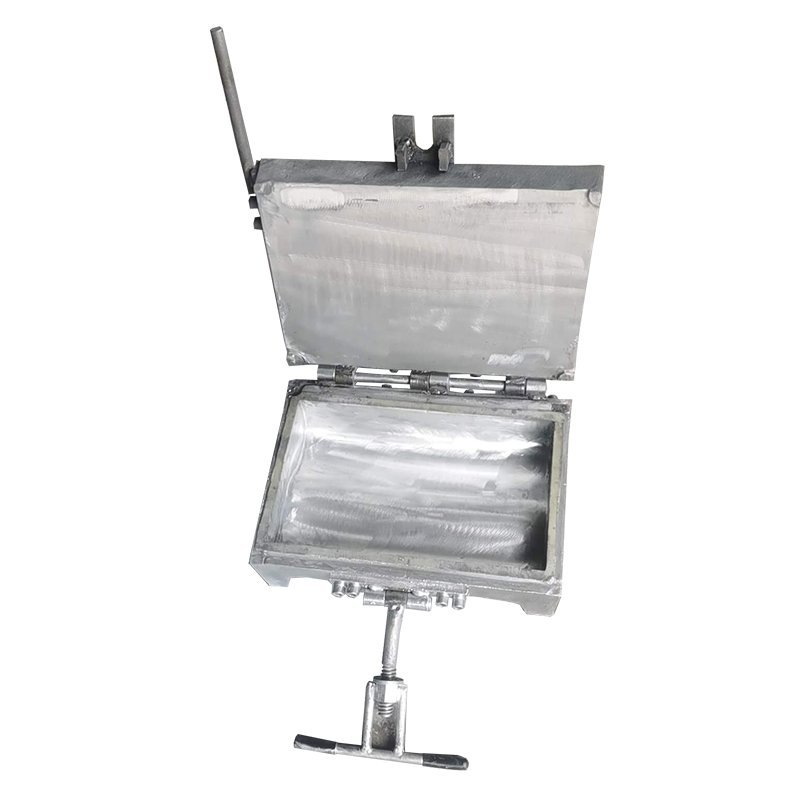
In pillow manufacturing, aluminum molds can be used to mold memory foam and ergonomic pillows to achieve high surface accuracy and consistent density distribution. The rapid thermal conductivity of the mold helps to shorten the foaming and curing cycle and obtain a smoother and softer product surface, improving the comfort and appearance quality of the product.
Car Seat Mold
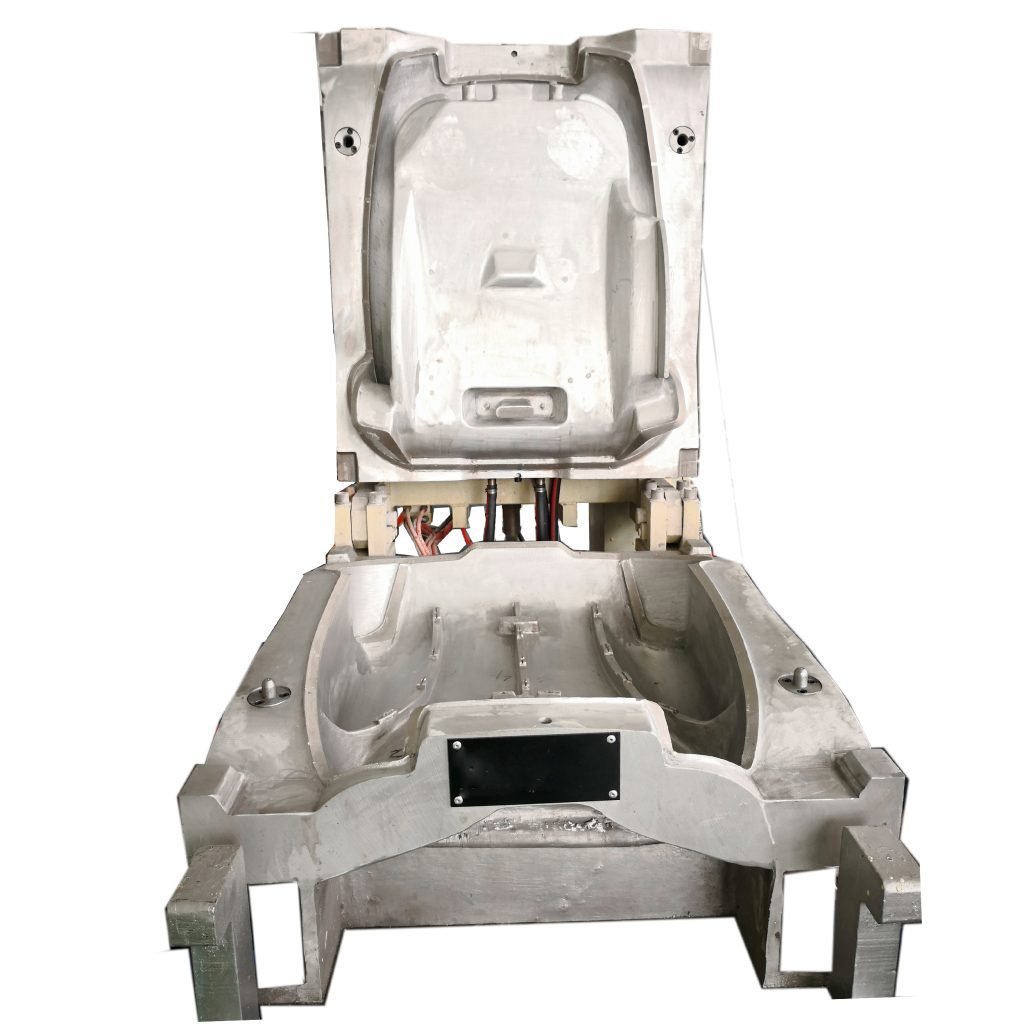
In the field of automotive seat production, aluminum molds are often used for foaming seat cushions, backrests and headrests. The mold can be designed with complex ergonomic structures and ventilation systems to ensure that the finished product has excellent comfort and structural strength, while meeting the needs of large-scale continuous production.
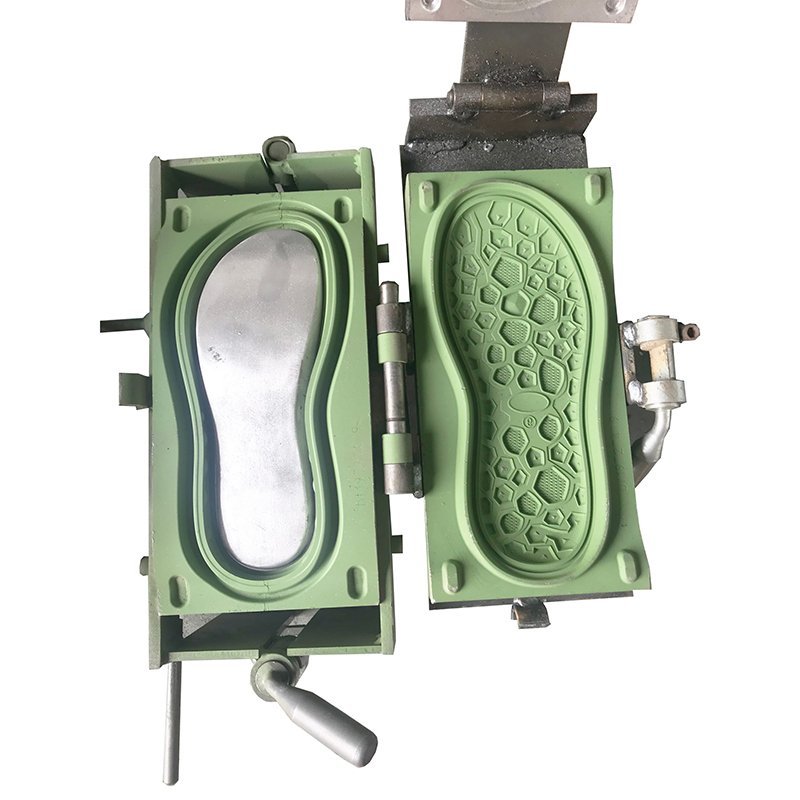
Footwear Mold
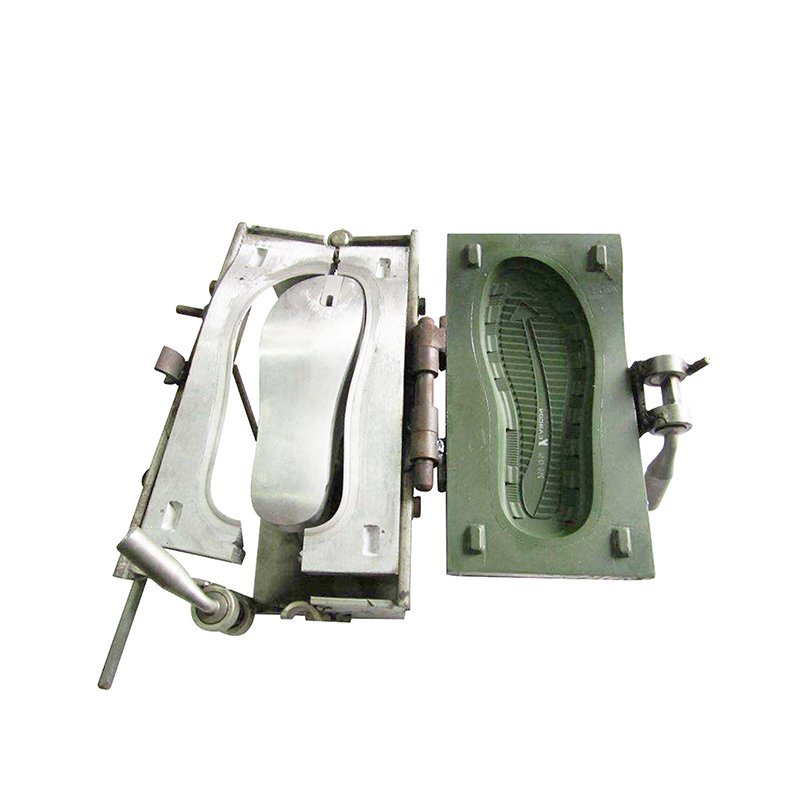
In the footwear industry, aluminum molds are key tools for the production of PU soles and midsoles, which can present complex textures, brand logos and multi-density foaming areas. Aluminum molds are suitable for cold or hot mold processes, with strong durability and can maintain consistency in size and appearance even in large-scale production.
FAQs of Aluminum Mold
What are the advantages of aluminum molds compared to steel molds?
Aluminum molds are lighter, easier to machine, and offer faster heating and cooling cycles. This reduces production time and energy consumption. However, they may wear faster under high-pressure or abrasive applications compared to hardened steel molds.
Are aluminum molds suitable for high-volume production?
Yes. With proper alloy selection (e.g., 7075-T6) and surface treatments, aluminum molds can handle medium to high production volumes — often up to 100,000 shots depending on the application.
Can aluminum molds be used for detailed or textured parts?
Absolutely. Aluminum molds can be precisely CNC-machined to produce complex 3D contours, fine textures, logos, and engraving with excellent surface finish.
What is the typical service life of an aluminum mold?
Depending on the mold design, alloy, coating, and maintenance, aluminum molds typically last between 10,000 and 100,000 molding cycles.
Can aluminum molds be temperature-controlled?
Yes. Most aluminum molds are designed with internal channels for water or oil circulation to allow precise heating or cooling, improving product quality and consistency.
What surface treatments are available for aluminum molds?
Common treatments include anodizing, Teflon coating, hard chrome plating, and nickel plating. These enhance wear resistance, corrosion protection, and improve demolding performance.
What products are aluminum molds commonly used for?
Aluminum molds are widely used in PU foam molding (pillows, cushions, seat pads), shoe soles, suitcase shells, elastomer wheels, insulation panels, and more.
How long does it take to manufacture an aluminum mold?
Lead times vary by complexity, but aluminum molds are generally faster to manufacture than steel molds—often within 2–4 weeks for standard designs.