
Yongjia Polyurethane and the Pioneer Brand
Yongjia Polyurethane is the company behind the Pioneer brand of polyurethane processing equipment. We work with manufacturers that need a standalone metering or foaming machine, a mold-linked production cell, or a coordinated production line. The first step is not choosing a catalog model: it is defining the part, polyurethane system, shot weight or output, mold status, utilities, and acceptance criteria that the equipment must support.
This page explains how a project moves from requirement review to equipment configuration, testing, documentation, commissioning, and support. Product specifications remain on the relevant machine pages; this page explains the organization and the responsibilities behind those products.
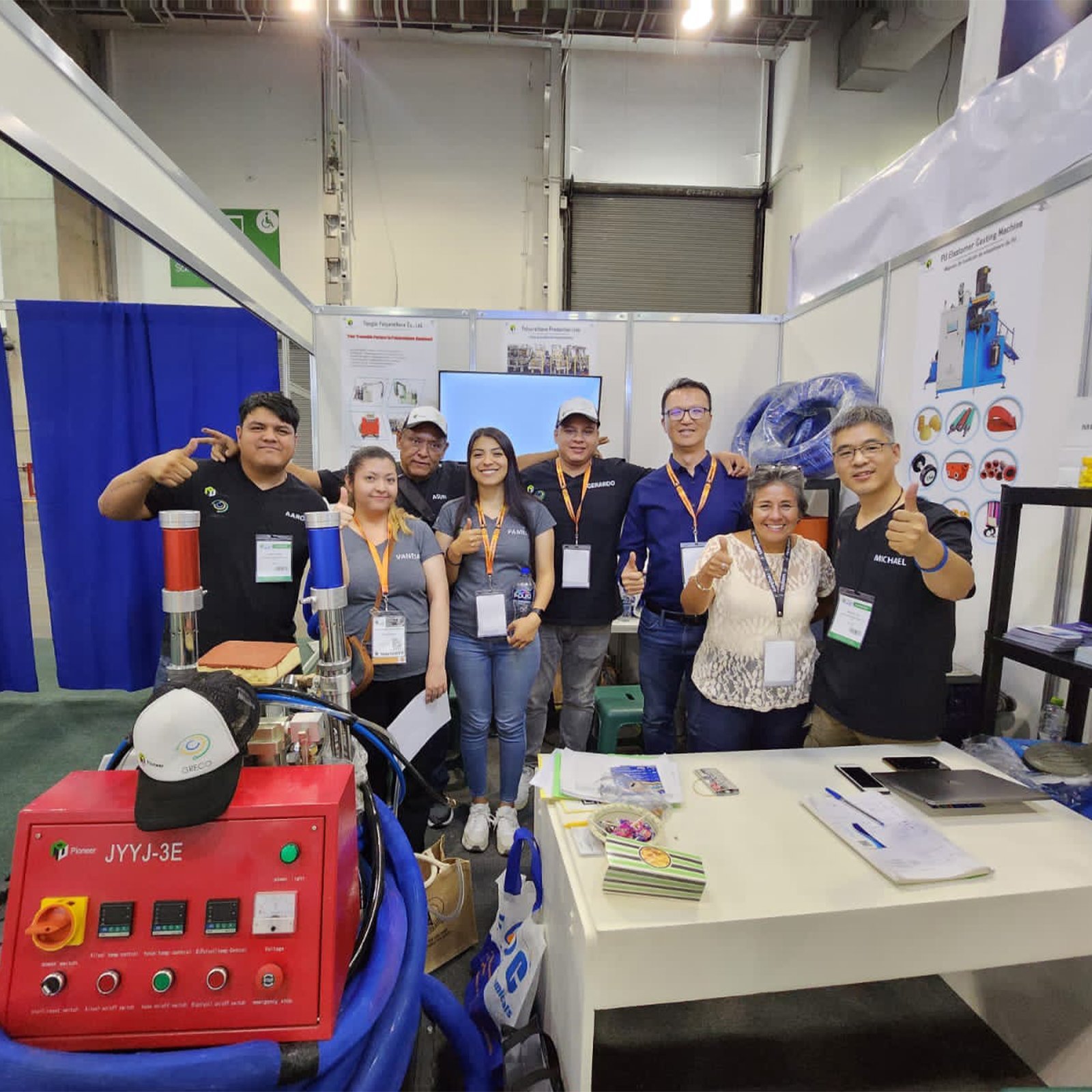
How the Yongjia Polyurethane Team Supports a Project
A polyurethane equipment project rarely belongs to one salesperson or one engineer. The Yongjia Polyurethane team divides the work between application review, equipment configuration, mold and line integration, commissioning, operator training, and after-sales support. That division matters because the machine, material system, mold, utilities, and production target have to work as one process.
Before a proposal is prepared, the project team reviews the product drawing or sample, target foam weight and density, material data, mold status, required output, available floor space, and local electrical supply. The responsible specialist should identify unresolved assumptions in the proposal instead of treating a catalog model as a finished production solution.
How the Team Handles a PU Equipment Project
The first review should establish what is known and what still needs testing. Product geometry, shot weight, material ratio, reaction time, mold temperature, pouring time, and output are connected; changing one can alter the acceptable process window for the others. The application and engineering contacts should therefore work from the same revision of the drawing, material technical data sheet, and production target.
During design review, the team should document the proposed machine configuration, the assumptions used to size it, the interfaces supplied by the buyer, and the checks reserved for material or mold trials. During commissioning, those assumptions become acceptance items: ratio, output, temperatures, shot repeatability, safety functions, and the agreed part-quality criteria.
Machinery safety should be treated as a design and validation task, not as a biography claim. ISO 12100 provides the general methodology for machinery risk assessment and risk reduction, while ISO 13849-1:2023 addresses the design and integration of safety-related control-system parts. The contract and machine risk assessment must identify which standards and local regulations actually apply to the delivered line.
What to Send for a Useful Technical Review
Send a product drawing or sample, the polyurethane material data available to you, target part weight and physical properties, mold drawings or photographs, required output, available floor space, electrical supply, destination country, and the acceptance criteria you plan to use. If some inputs are not final, label them clearly so the team can separate confirmed requirements from items that need a trial or further engineering review.
For a standalone PU foaming machine requirement, start with the quotation checklist. If a new mold is part of the project, review the new mold setup guide before requesting a final configuration. When the information is ready, contact the Yongjia Polyurethane project team and attach the current drawing revision.
Frequently Asked Questions
Who should review a PU foaming machine requirement?
The review normally needs input from application, machinery, mold or tooling, electrical or controls, and project coordination roles. The exact participants depend on whether the buyer needs a standalone dispenser, a mold, or a complete production line.
What information should I send to the Yongjia Polyurethane team?
Send the product drawing or sample, foam type, target part weight and density, material technical data, existing mold information, output target, factory layout, utility supply, destination country, and the acceptance criteria you plan to use.
Can a project be quoted before the mold and material system are finalized?
An initial configuration can be discussed, but the proposal should label assumptions clearly. Final output, mixing-head selection, pouring path, station count, and trial plan depend on the actual mold and material process window.
Where can I verify the company identity?
Use the legal company details and contact information on this website and the official Yongjia Polyurethane LinkedIn company page. A company page should not be presented as a personal author profile.