
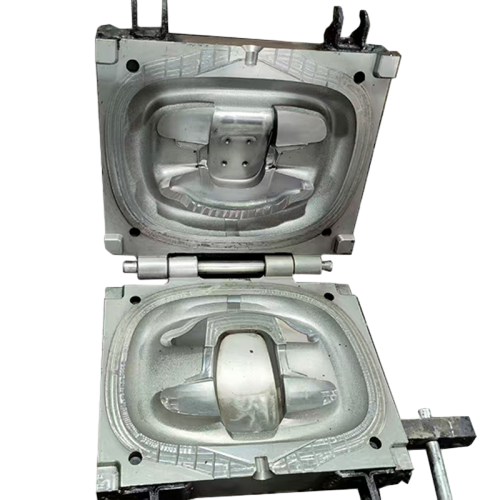
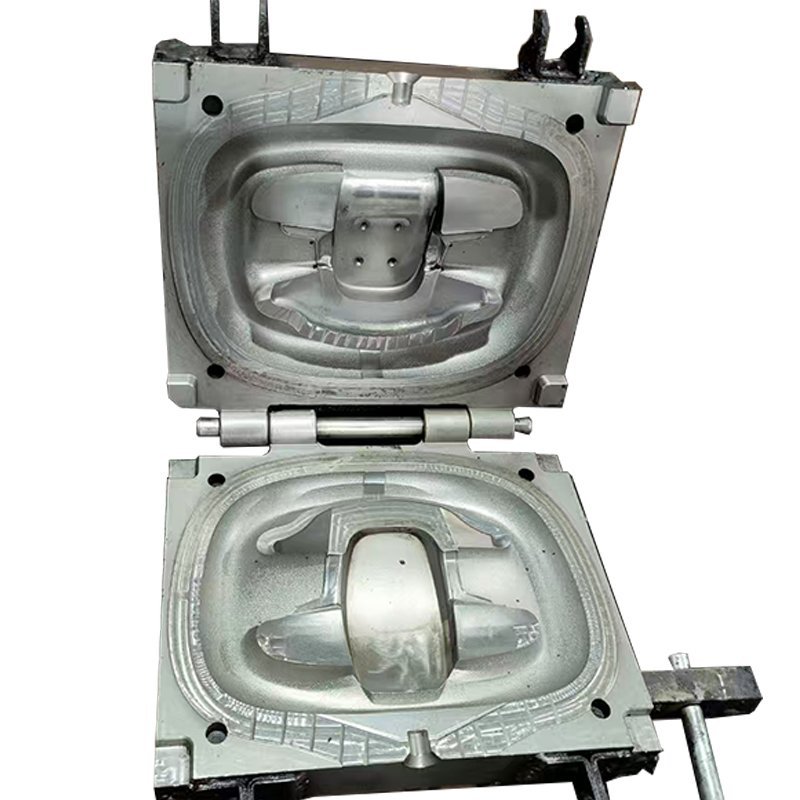
- Automotive parts: steering wheels, armrests, instrument panel covers, etc.
- Public facilities: airport seats, medical chairs
- Sports and industrial products: fitness equipment handles, power tool grips, industrial control levers, etc.
- We can engrave various patterns to suit customer needs, creating effects such as faux leather, matte, and glossy finishes.
- Optimized gate and venting designs prevent air bubbles and shrinkage.
- Our design and production cycle can reach hundreds of thousands of molds, reducing our customers’ long-term production costs.
- We provide comprehensive support for mold design, manufacturing, trial runs, installation, and training.
High Pressure And Chemical Resistance
Steel molds are resistant to deformation and corrosion, maintaining stable performance throughout the life of the mold.
Excellent Dimensional Accuracy
Steel molds are able to maintain tight tolerances during the long production process.
High Thermal Conductivity
The steel mold can effectively and evenly distribute heat, which is conducive to the formation of a uniform skin and a stable foam core of the Integral skin foaming products.
Excellent Surface Quality
Steel molds can be polished, textured, or coated to achieve a variety of surface effects from leather texture to high gloss.
Technical Specifications of Steel Mold
Parameter | Unit | Typical Value / Range | Remarks |
Base Material | – | P20, 718, H13, S136 Tool Steel | Selected based on application and expected lifespan |
Hardness (after heat treatment) | HRC | 28–52 | Higher for long-life, precision molds |
Mold Surface Finish | Ra (µm) | 0.2–0.8 | Polished or textured depending on part requirement |
Max Operating Temperature | °C | 150–200 | Suitable for most PU and elastomer curing processes |
Injection/Pouring Pressure | MPa | Up to 20 MPa | Withstands high-pressure PU injection systems |
Mold Size Range | mm | Custom (e.g., 300×300 up to 1200×1000) | Depends on part geometry |
Cooling System | – | Integrated water/oil channels | For efficient thermal control |
Estimated Mold Life | Shots | 100,000–1,000,000+ | With proper maintenance and tooling |
Cavity Tolerance | mm | ±0.01–±0.03 | High-precision tolerance for tight sealing & fit |
Demolding Type | – | Manual, hydraulic ejector, or pneumatic assist | Based on product design and automation level |
Weight (typical) | kg | 100–2000+ | Varies with size and steel grade |
Note: All values are approximate and may vary depending on product design, molding system, and mold manufacturer.
Key Applications of Steel Molds in the Polyurethane Industry
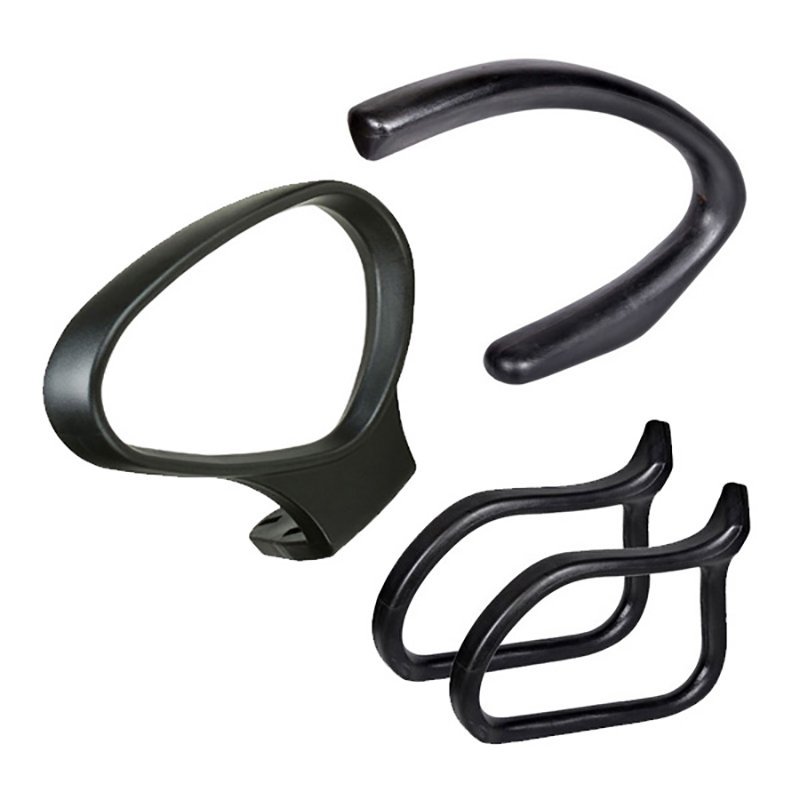
PU Armrests
Office chairs, industrial armrests, medical equipment hand rests, etc., with smooth and durable surfaces and comfortable touch
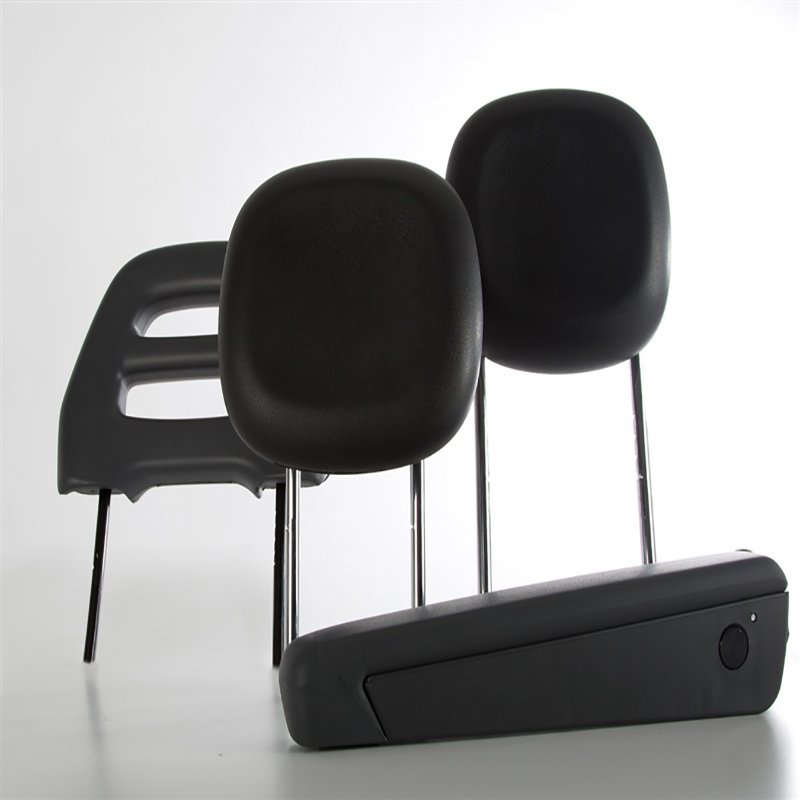
Headrests/neck Pillows
Headrests for cars, airplanes, and massage chairs, with good support and no need to cover the surface
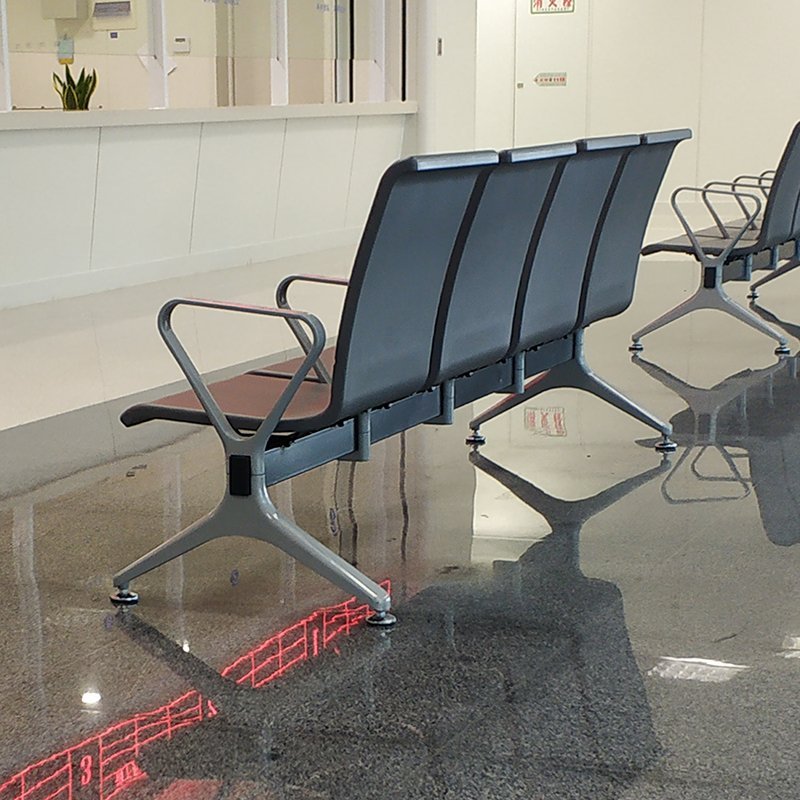
Airport Seats
Not easily deformed after long-term use, with an integrated appearance, meeting the high-frequency use requirements of public seats
FAQs of Steel Molds
Why use steel molds for microcellular foam products?
Steel molds have high strength, excellent thermal stability and superior dimensional accuracy, making them ideal for microcellular polyurethane foaming processes that require high pressure and high precision.
What are the common steels used for molds?
Typical mold steels include P20, 718, H13 and S136, and durability, polishability, corrosion resistance and expected production should be considered when selecting.
What is the service life of steel molds?
If the material is selected and maintained properly, steel molds can usually last for 100,000 to more than 1 million times, even under high-pressure foaming conditions.
Can steel molds withstand high-temperature polyurethane curing?
Yes. Most tool steels used for molds can withstand continuous operating temperatures of 150-200°C and are suitable for a variety of polyurethane and elastomer formulations.
Are steel molds suitable for complex geometries?
Of course. Steel molds can be precision machined to produce fine contours, chamfers, textured patterns, and multi-cavity configurations.
How are steel molds maintained?
Regular maintenance includes cleaning, lubrication, surface treatments (such as nitriding or chrome plating), and inspection of key areas such as ejector pins and parting lines for wear.
Can steel molds be integrated with temperature control?
Yes. Steel molds often have built-in cooling or heating channels to regulate mold temperature for better cell structure and faster molding cycles.
Are steel molds compatible with both high-pressure and low-pressure polyurethane foam machines?
Yes. Steel molds can be designed for use with either system and are often used with high-pressure machines to produce microcellular foam due to their higher foam quality and consistency.