
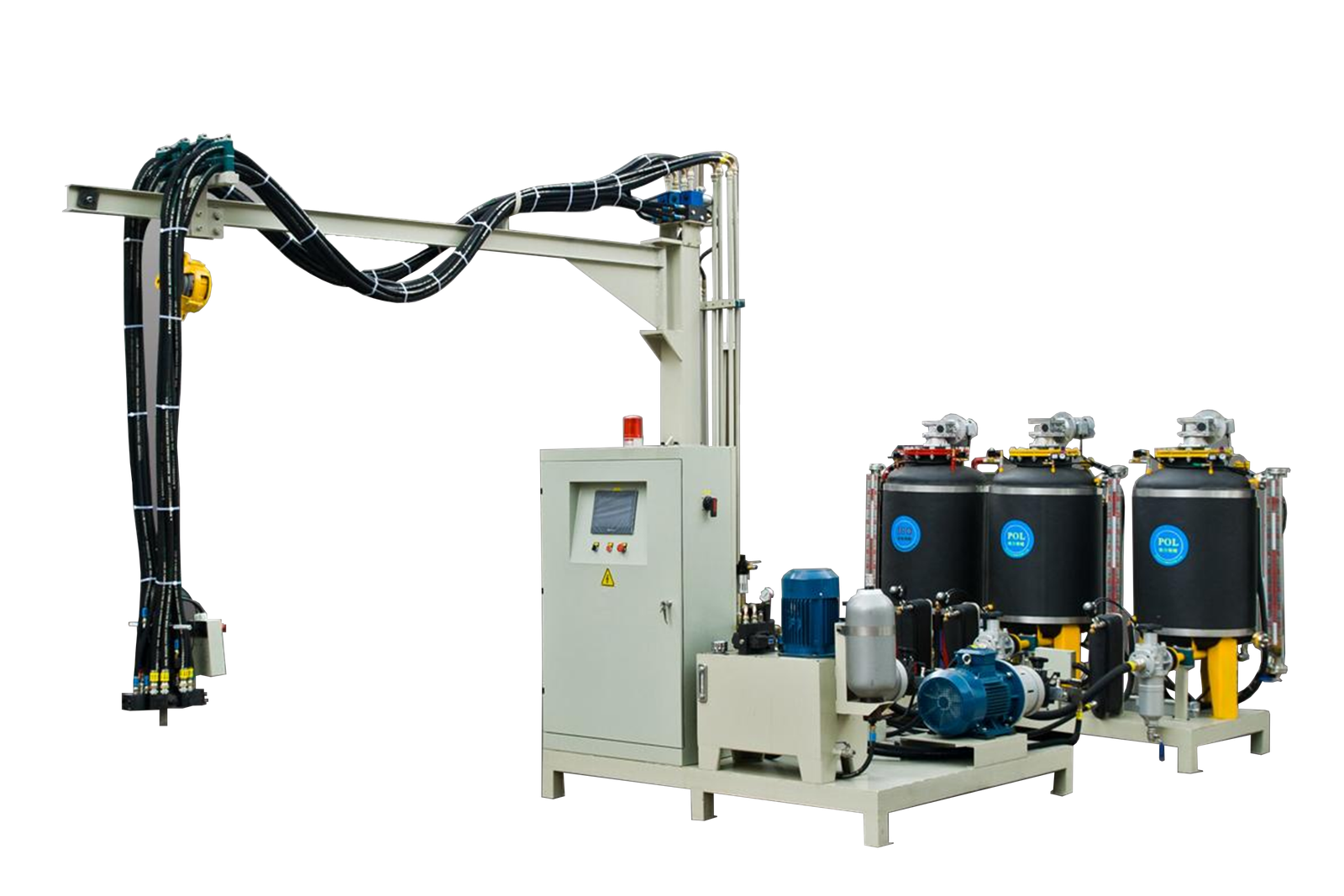
Before comparing models, use our PU foam metering system guide to define the material, ratio, shot range and control requirements the equipment must support.
Choose the Machine Class by Production Task
| Your production task | Equipment path to review | Confirm before selecting |
|---|---|---|
| High-volume molded foam parts | High-pressure PU foam machine | Part weight, cycle time, output range, material system and automation interface |
| Lower-volume, filled or specialty systems | Low-pressure PU foam machine | Viscosity, fillers, shot range, cleaning method and daily production target |
| Field-applied insulation or coating | PU spray foam machine | Sustained output, working pressure, hose length, ambient conditions and duty cycle |
| Elastomer wheels, rollers or cast parts | PU casting machine | Material hardness, component count, temperature control, vacuum and casting volume |
| Protective foam formed around packed goods | PU foam packaging machine | Package dimensions, foam volume per pack, packing rate and consumable format |
Application and Production-Line Paths
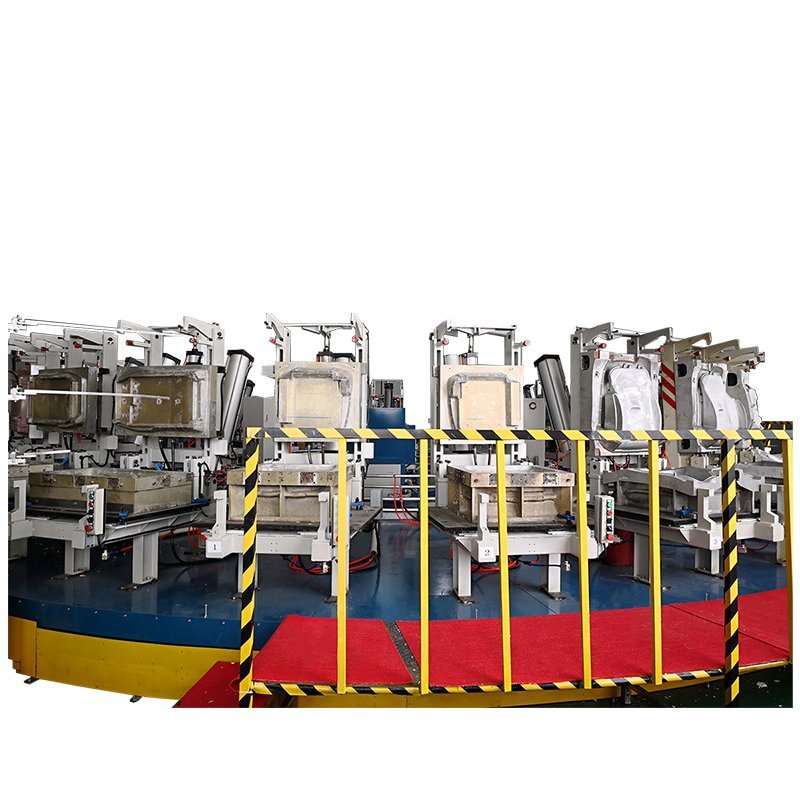
Car Seat Foam Production
Plan the dosing machine, mold count, curing window, operator stations and rotary or carousel layout as one system.
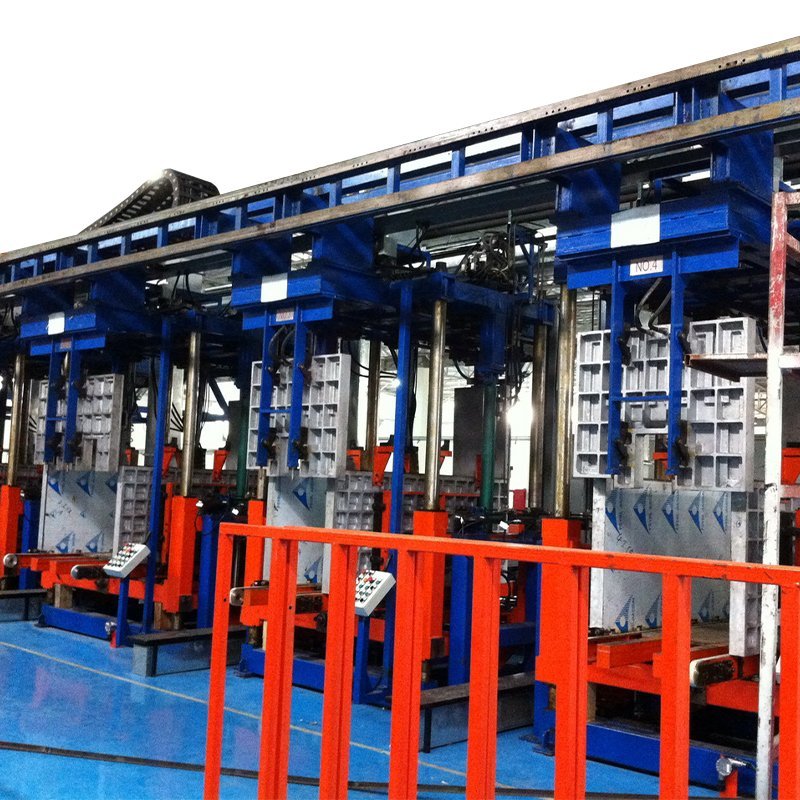
Refrigerator & Freezer Cabinets
Compare fixture strategy, cabinet range, curing time, blowing-agent requirements and target units per shift.

Insulated Sandwich Panels
Size high-pressure metering and mixing equipment from panel dimensions, density, line speed and integration scope.
Five Inputs Needed Before Comparing Quotations
- Finished product: drawing, dimensions, weight and foam type.
- Output target: pieces per hour or shift, shot weight and cycle time, or continuous line speed.
- Material system: polyol/isocyanate formulation, mix ratio, viscosity, fillers and working temperature.
- Factory conditions: layout, voltage, utilities, ambient temperature and local safety requirements.
- Scope boundary: standalone machine, molds and fixtures, automation interfaces, complete line, installation and training.
A responsible comparison should state what is included, what remains to be confirmed and which performance figures depend on the customer’s formulation or factory conditions.
Frequently Asked Questions
Should I choose high pressure or low pressure first?
Start with the part, material and production volume. High-pressure equipment generally fits repetitive, higher-volume work; low-pressure equipment may fit lower-volume, filled or specialty systems. The shot range and chemistry must still be checked.
Can one machine produce every PU product?
No. A machine has a working output, pressure, component and viscosity range. Applications outside that envelope may require a different mixing head, metering platform or complete line arrangement.
Why is there no fixed price on this page?
The quotation changes with output, components, tanks, temperature control, automation, molds, line integration, voltage and service scope. Publishing one number without these boundaries would not be a comparable equipment quote.
What is the fastest way to receive a useful recommendation?
Send the finished-product drawing, material system, target output and factory conditions. The engineering reply can then narrow the machine class and list the remaining questions before a formal quotation.