
Superior Insulating Properties
The primary advantage of rigid foam is its excellent thermal insulation, which is crucial for energy efficiency in buildings, refrigeration units, and industrial applications.
High Strength-to-Weight Ratio
It provides strong structural support while remaining lightweight, making it an ideal material for applications that require both durability and weight reduction.
Moisture Resistance
The foam is resistant to moisture absorption, which is particularly beneficial in applications where exposure to water or humidity could be an issue.
Fire Retardancy
With the addition of fire retardants, rigid foam can be made fire-resistant, enhancing its safety for use in construction and industrial applications.
Custom Software
The foam’s density, hardness, and thermal properties can be adjusted to suit specific application needs, from flexible insulation panels to rigid structural components.
Typical Technical Data Rigid Polyurethane Foam
Property | Unit | Typical Value | Test Method |
Density (core) | kg/m³ | 30–200 | ISO 845 / ASTM D1622 |
Compressive Strength (10%) | kPa | 150–800 | ISO 844 / ASTM D1621 |
Thermal Conductivity (λ) | W/m·K | 0.020–0.028 | ISO 8301 / ASTM C518 |
Closed-Cell Content | % | ≥90 | ISO 4590 |
Water Absorption (24h immersion) | % by volume | ≤2.5 | ISO 2896 / ASTM D2842 |
Dimensional Stability (70°C, 24h) | % | ≤1.5 | ISO 2796 |
Tensile Strength | kPa | 200–500 | ISO 1926 / ASTM D1623 |
Shear Strength | kPa | 150–300 | ISO 1922 / ASTM C273 |
Flammability Rating | – | B2 / B3 / UL 94 HF-1 / FM Approved | DIN 4102 / UL 94 / FM 4880 |
Adhesion to Metal / Facing | kPa | ≥150 | Internal Method |
Note: Properties may vary based on formulation, processing conditions, and application method (e.g., spraying, injection, panel foaming).
Different Applications of Rigid Foam Material
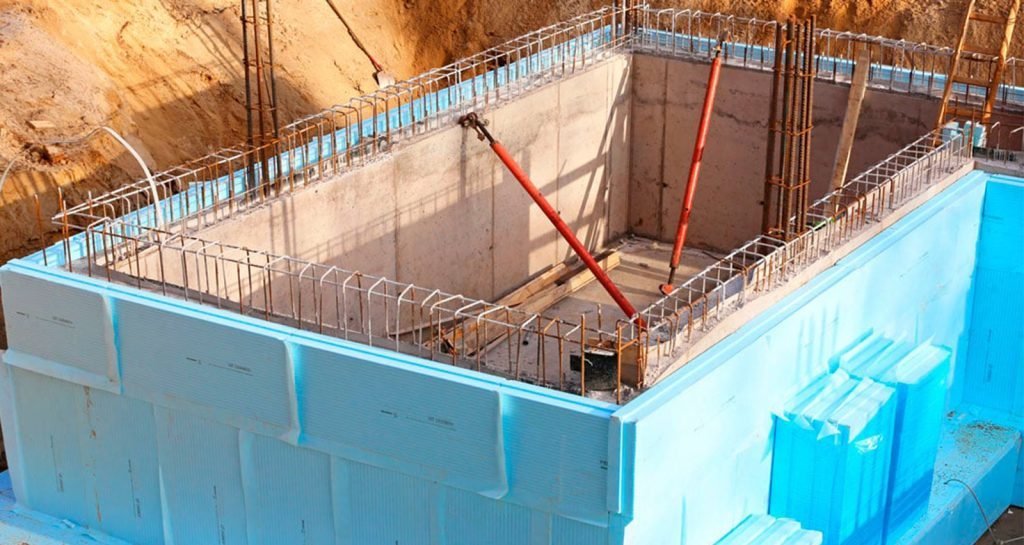
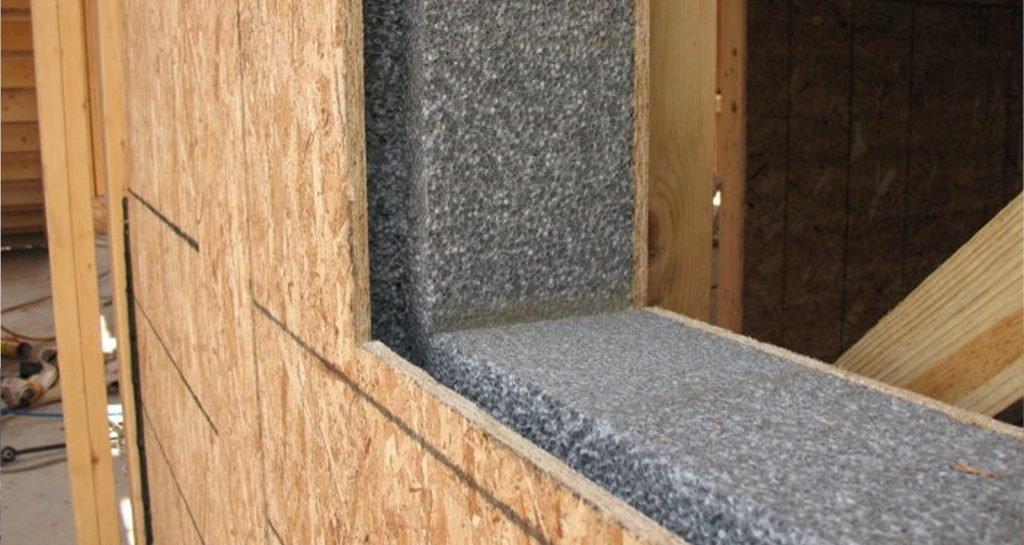
Rigid polyurethane foam is a closed-cell, high-strength insulating material that plays a vital role in a wide range of industrial and commercial applications. Its low thermal conductivity, excellent dimensional stability, and superior adhesion to substrates make it an ideal solution for demanding environments. Below are the main application areas:
Building And Construction

Refrigeration And Cold Chain
Sandwich Panel Industry
Pipe And Tank Insulation
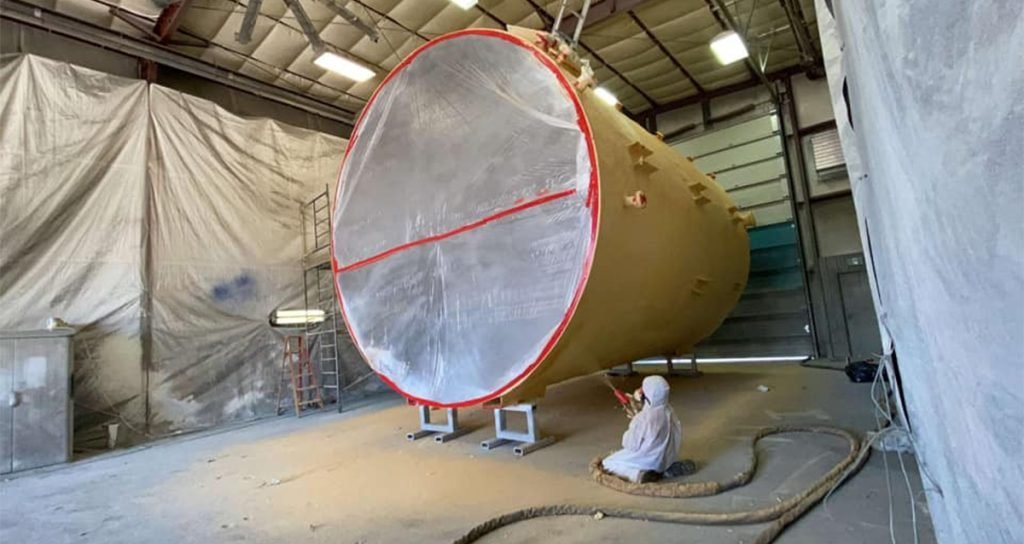
PU rigid foam is molded or sprayed onto pipes, tanks, and vessels to prevent heat loss or maintain low temperatures. It is commonly used in oil & gas, chemical, and HVAC industries for both thermal insulation and condensation control.
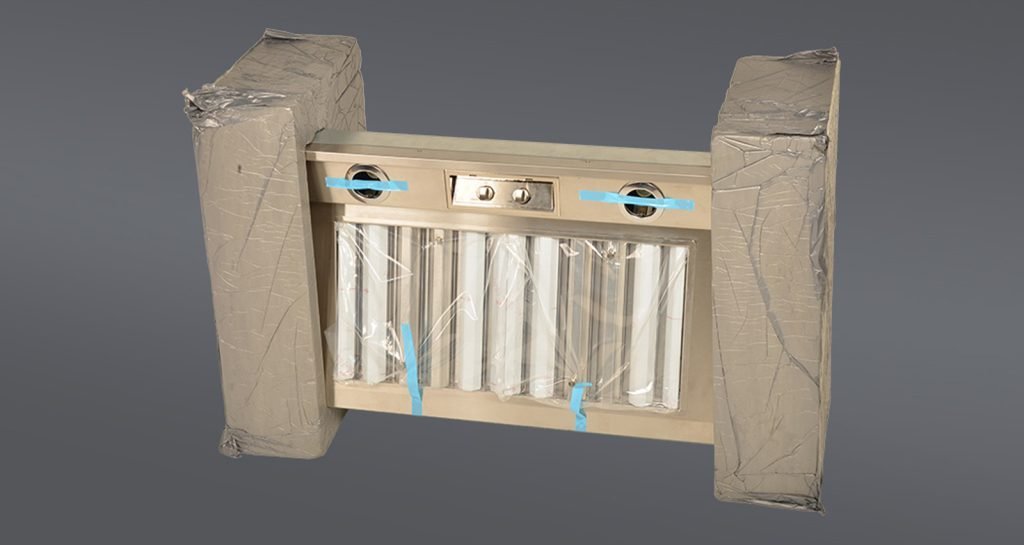
Custom Packaging Solutions
Semi-rigid foam is easily customizable to fit a wide range of product shapes and sizes. This makes it ideal for creating bespoke packaging solutions for a variety of industries, where precise protection and minimal weight are required.
FAQs of Rigid Foam Material
What is rigid polyurethane foam?
Rigid polyurethane (PU) foam is a closed-cell, high-density insulating material known for its excellent thermal insulation, dimensional stability, and compressive strength. It is primarily used in construction, refrigeration, and industrial insulation.
What are the main advantages of rigid foam?
Rigid PU foam offers: Extremely low thermal conductivity (as low as 0.020 W/m·K) High strength-to-weight ratio Strong adhesion to various substrates (metal, wood, plastic) Moisture resistance due to closed-cell structure Compatibility with continuous, spray, or injected application methods
What raw materials are used to produce rigid PU foam?
The core components include polyol blends and isocyanate (typically MDI). Blowing agents (e.g. water, HFOs, or pentane), catalysts, surfactants, and fire retardants are added depending on the application.
In which industries is rigid PU foam commonly used?
Construction:wall, roof, and floor insulation Refrigeration:cold rooms, refrigerator walls Sandwich panels:metal-faced panels for clean rooms, cold storage Pipe and tank insulation:oil & gas, HVAC, chemical processing Appliances:water heaters, refrigerators, and freezers
Is rigid foam environmentally friendly?
Modern rigid foams can be formulated with eco-friendly blowing agents (e.g., water or HFOs) and are compliant with regulations like REACH and RoHS. Formulations with low GWP (Global Warming Potential) are increasingly available.
Can rigid PU foam be recycled?
Yes. Although recycling is more complex than with flexible foams, rigid PU foam can be mechanically processed (e.g., ground and reused in panels) or chemically recycled back into polyols in certain systems.
What is the expected lifespan of rigid PU foam insulation?
Rigid foam insulation, when properly installed and protected from UV exposure or mechanical damage, can last over 30 years with minimal performance degradation.
Is rigid foam flammable?
PU foam is combustible, but flame-retardant additives can significantly improve fire resistance. Rigid foam products can meet flammability standards such as DIN 4102 B2/B3, UL 94, or FM 4880, depending on the formulation.
How is rigid foam typically applied?
Continuous panel production(sandwich panels) Spray foamfor buildings and tanks Injection/in-place foamingfor appliances, pipes, and molds
Do you supply rigid foam equipment and technical support?
Yes. We offer complete rigid foam solutions, including raw material systems, high- and low-pressure PU foaming machines, sandwich panel lines, spraying equipment, and technical training and after-sales support.