
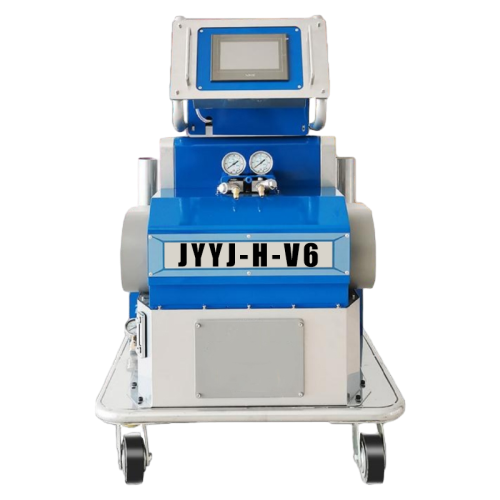
Main PU Spray Foam Machine Models
Our spray machines are mainly divided into polyurethane spray machines and polyurea spray machines. Polyurethane machines are ideal for insulation projects such as cold storage, roofs, and walls. Polyurea machines are used for waterproofing and anti-corrosion applications like bridges, floors, and tanks. The equipment is easy to operate and delivers excellent spraying results to meet various project needs.
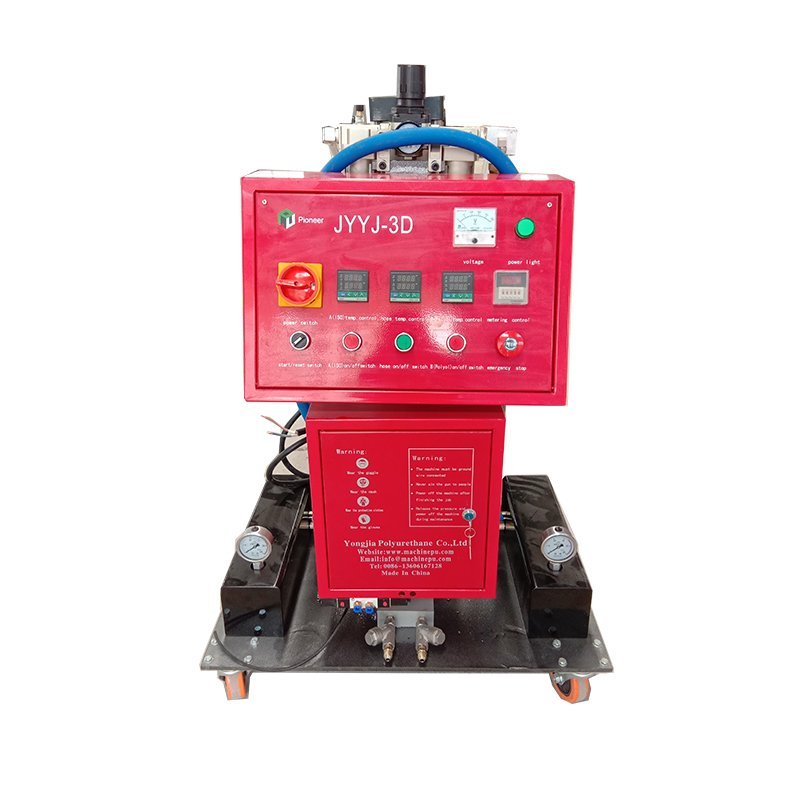
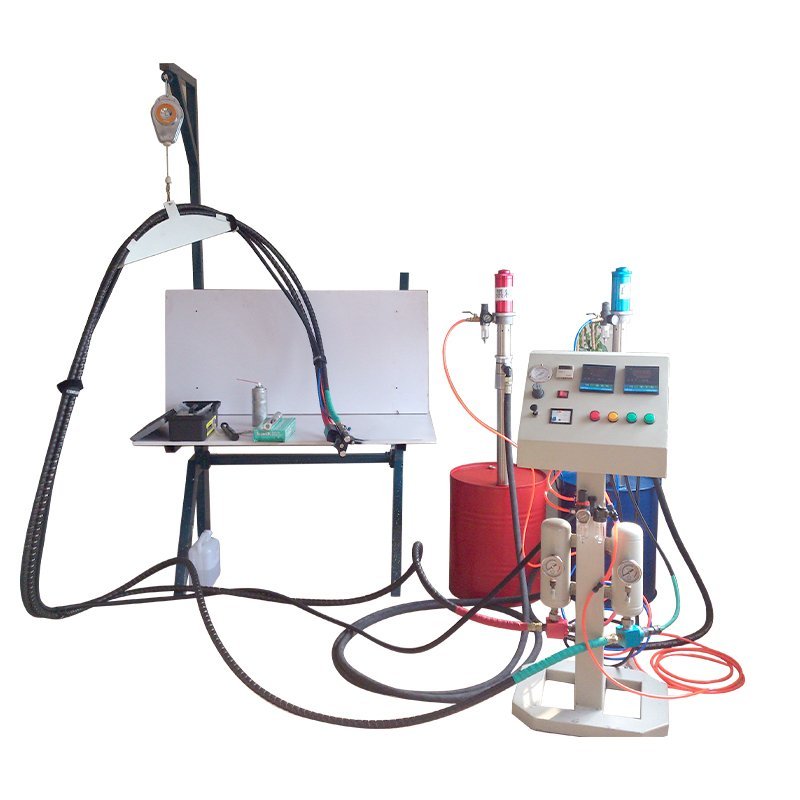
JYYJ-3D Spray Foam Machine
Driven mode | Pneumatic |
model | JYYJ-3D |
Power supply | Single phase 220V 50Hz |
Heating power | 7.5KW |
Raw output | 2~12 kg/min |
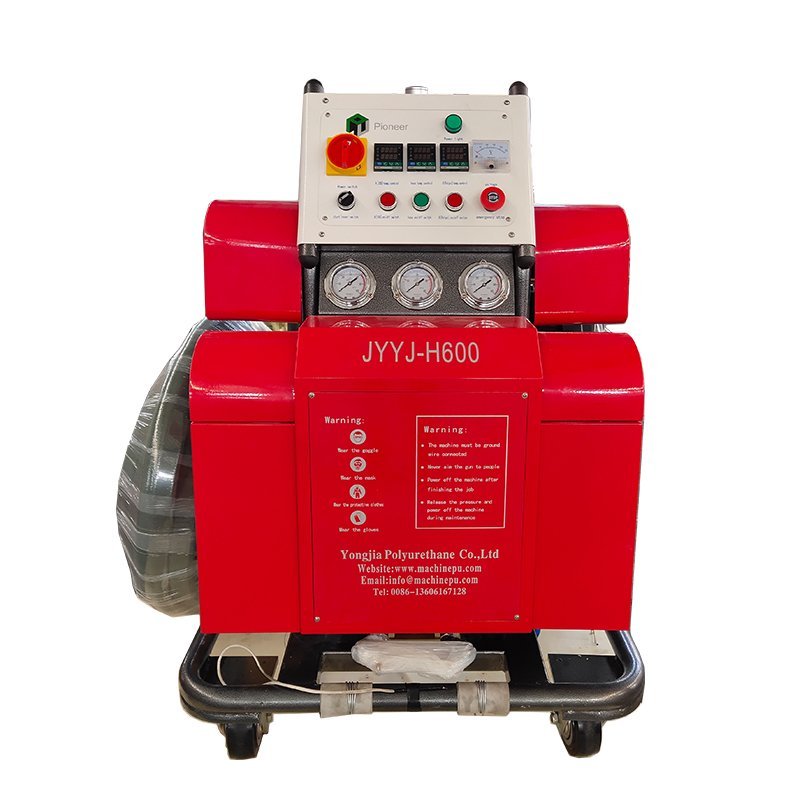
JYYJ-H600 Spray Foam Machine
Drive mode | Hydraulic drive |
model | JYYJ-H600 |
Power supply | 3-phase 4-wires 380V 50HZ |
Heating power | 22KW |
Raw material output | 2~12 kg/min |
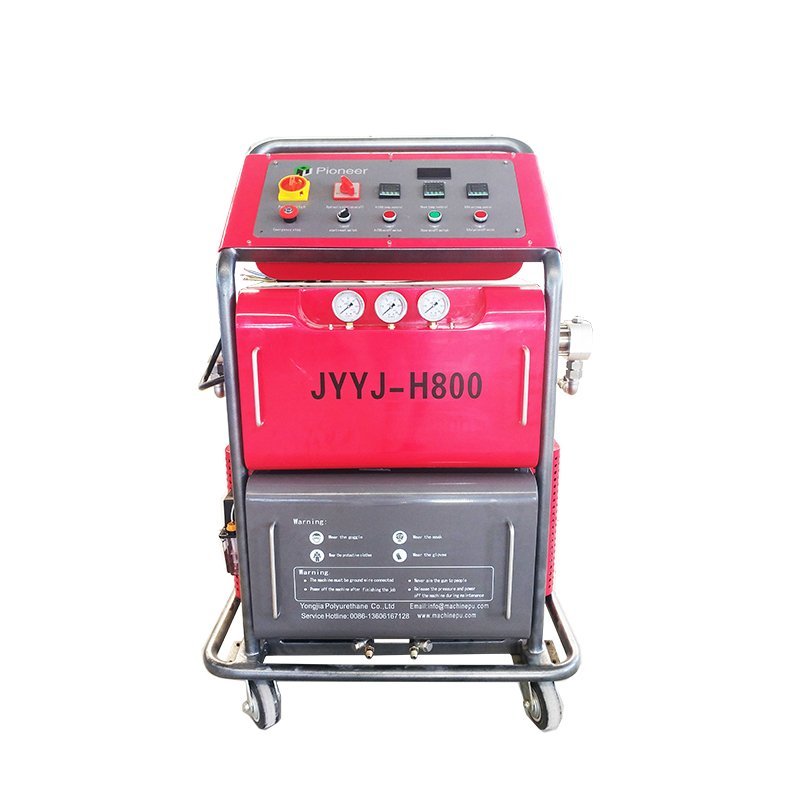
JYYJ-H800 Spray Foam Machine
Drive mode | Hydraulic drive |
model | JYYJ-H800 |
Power supply | 3-phase 4-wires 380V 50HZ |
Heating power | 30KW |
Raw material output | 2~12 kg/min |
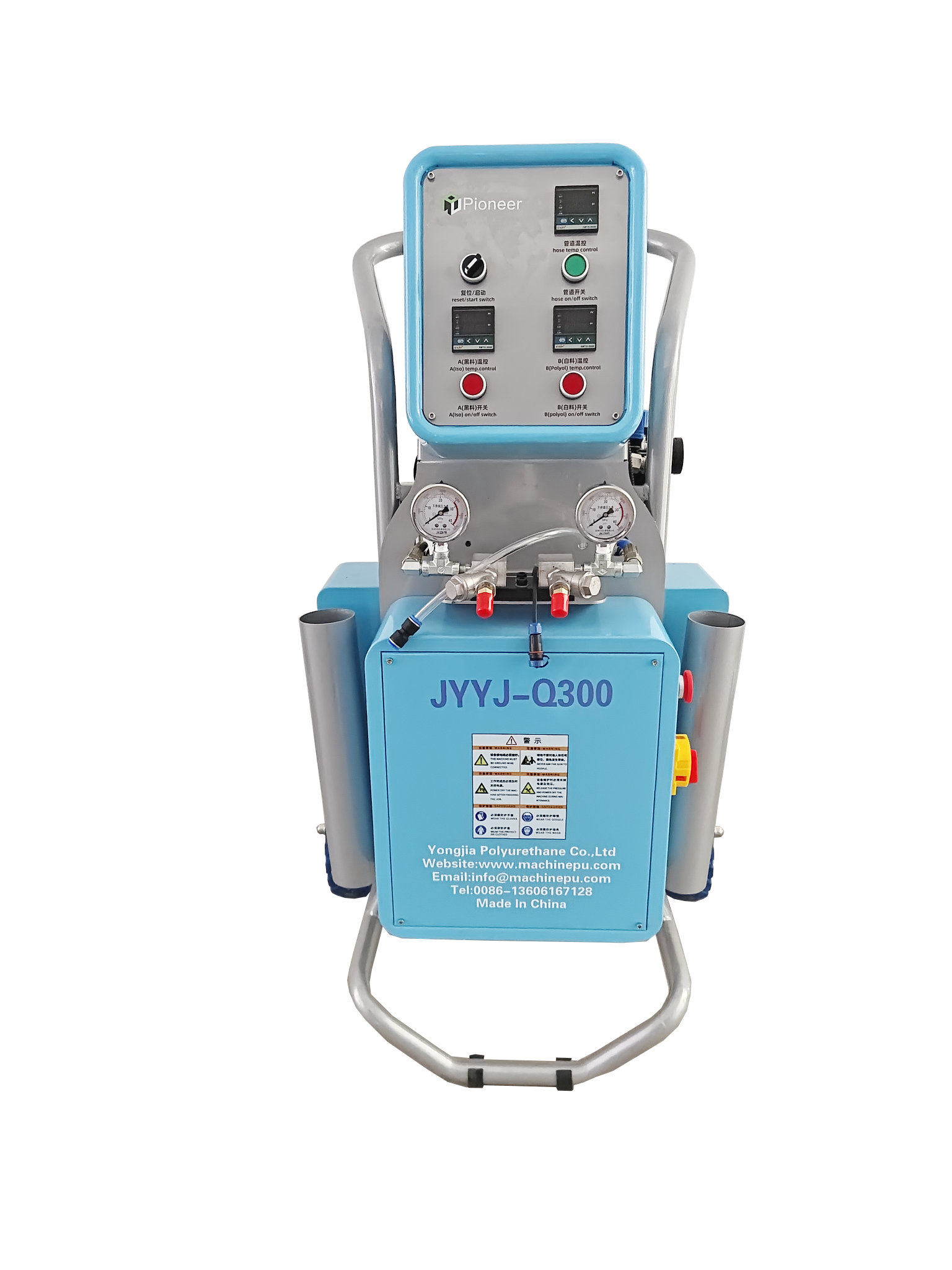
JYYJ-Q300 Spray Foam Machine
Drive mode | Pneumatic |
model | JYYJ-Q300 |
Power supply | 380V 50HZ |
Heating power | 15KW |
Raw material output | 2~10 kg/min |
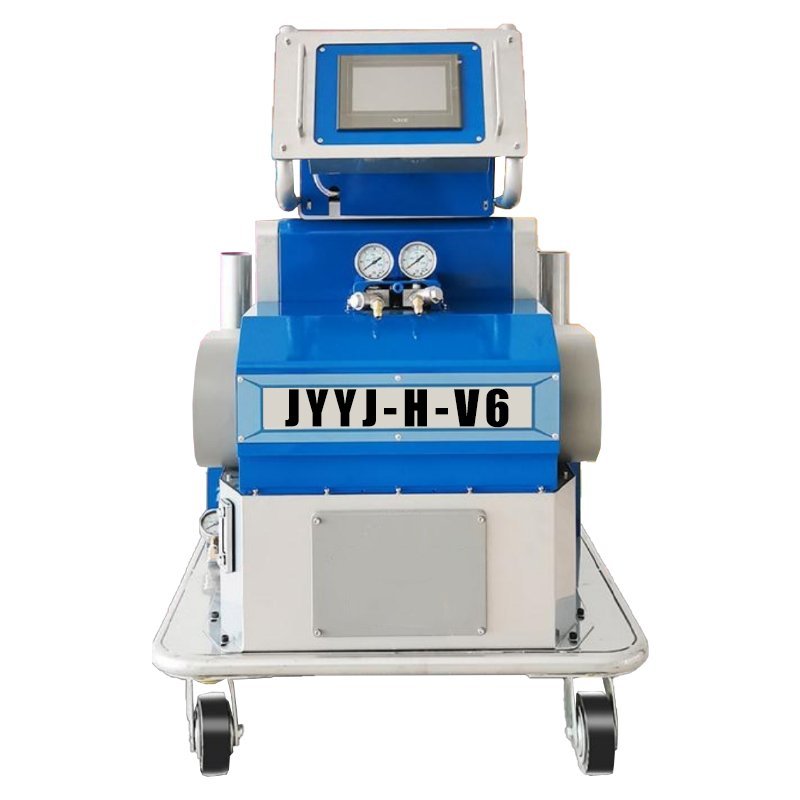
JYYJ-H-V6 Spray Foam Machine
Drive mode | Hydraulic drive |
model | JYYJ-H-V6 |
power supply | Three-phase three-wire 380V |
heating power | 22KWV |
Raw material output | 2-10KG/Min |
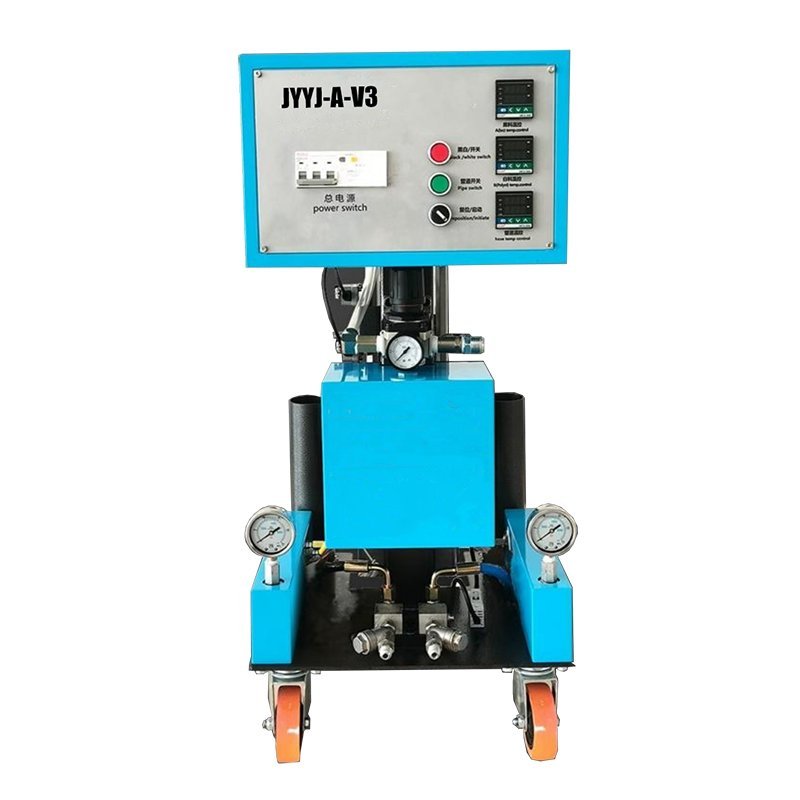
JYYJ-A-V3 Spray Foam Machine
Drive mode | Pneumatic drive |
model | JYYJ-A-V3 |
power supply | 380V 50Hz |
heating power | 9.5KW |
Raw material output | 2-10KG/Min |
Components of PU Spray Foam Machine
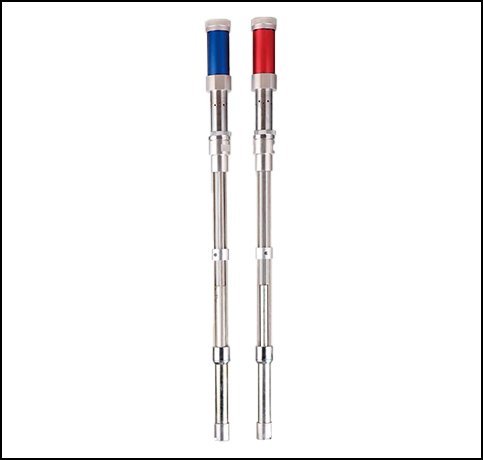
Feed Pump Of PU Spray Foam Machine
The feed pump transports raw materials (A & B components) from the storage tanks to the spray machine. It ensures steady flow and accurate metering, which is essential for maintaining proper mixing ratios and consistent spray quality. Durable and corrosion-resistant, the pump operates under high pressure to support continuous and reliable material delivery.
Request a Quote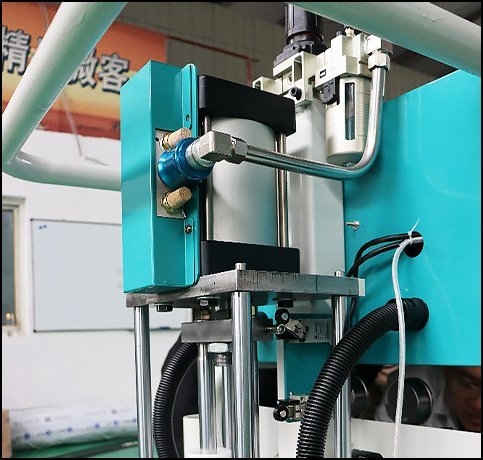
Heating Pipe Of PU Spray Foam Machine
Heating pipes are used to maintain the required temperature of the raw materials as they move through the machine. Proper heating ensures materials reach the spray gun at optimal viscosity, allowing for better mixing and spray performance. The system typically includes temperature sensors and controllers for precise thermal regulation.
Request a Quote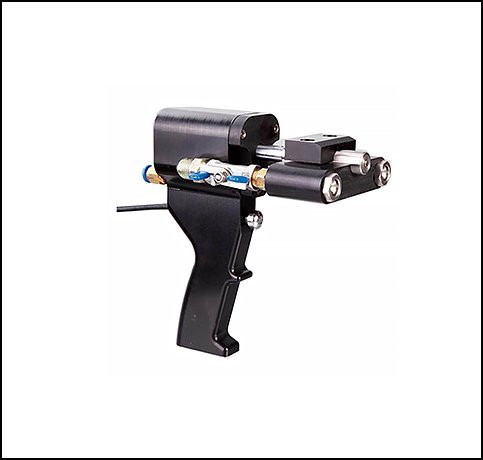
Spray Gun Of PU Spray Foam Machine
The spray gun is the core component of the spray system. It’s where the A & B materials meet and mix—either through impingement (high-pressure) or mechanical mixing (low-pressure)—before being atomized and sprayed. Designed for ease of use and quick maintenance, the gun allows for interchangeable nozzles and can be adapted for spraying, coating, or filling tasks by changing its attachments.
Request a QuoteApplication of PU Spray Foam Machine
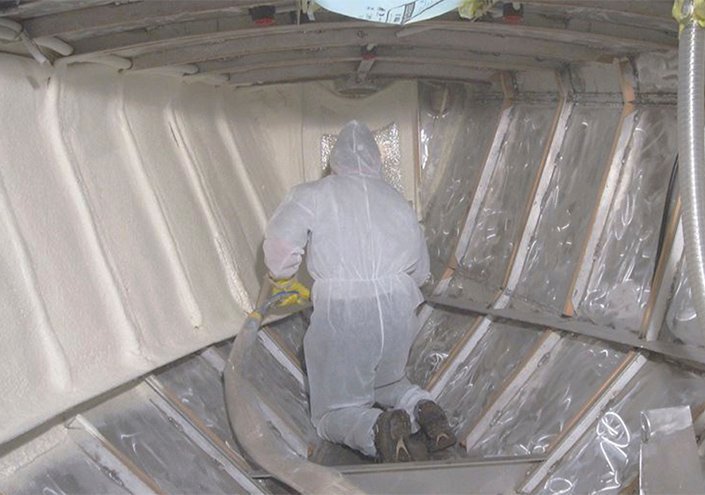
Boat Insulation
PU spraying technology can quickly form a continuous waterproof and thermal insulation layer inside and outside the boat, which is resistant to salt spray, corrosion, and has strong adhesion, effectively improving the efficiency and service life of the ship.
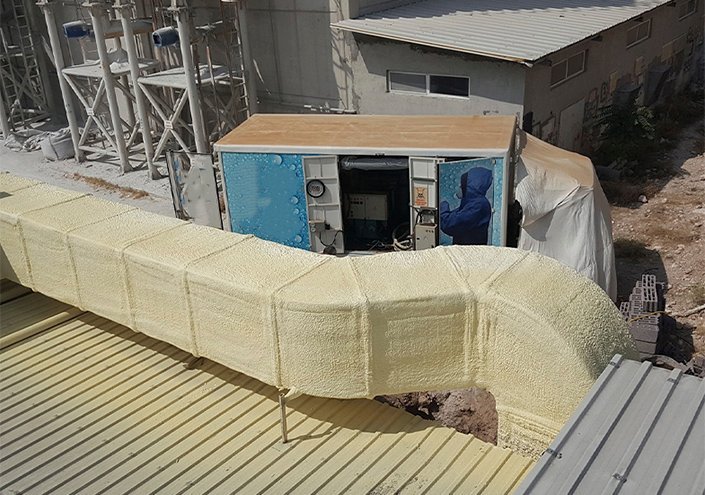
Pipe Insulation
Polyurethane spraying is suitable for thermal insulation projects such as industrial pipelines and buried pipelines. It has the advantages of no joints, low heat loss, and high construction efficiency. It is especially suitable for complex curved pipe parts.
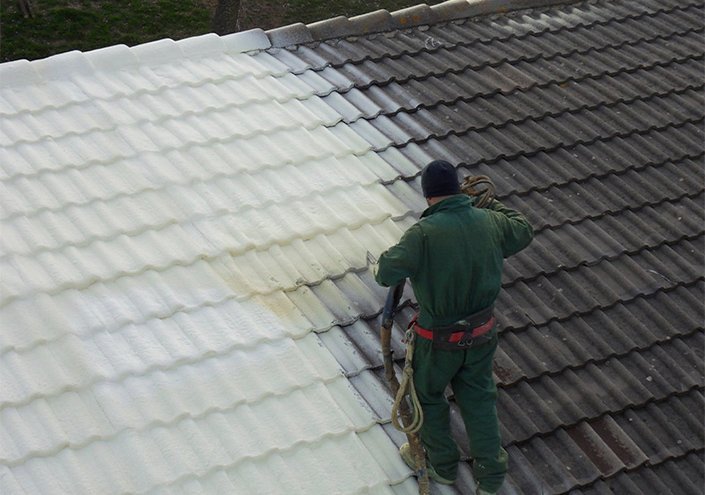
Roofing Insulation
PU spraying can form an integrated seamless waterproof layer on the roof, which has both thermal insulation and waterproofing functions. It is suitable for a variety of substrates such as color steel plate roofs and concrete roofs, and has strong weather resistance.
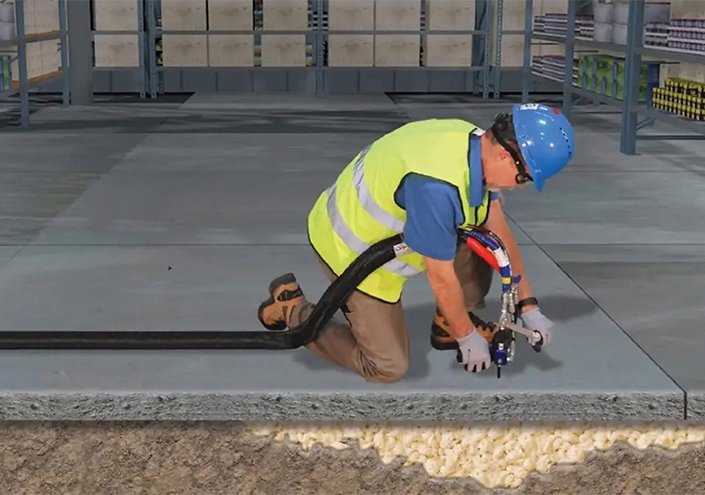
Slab Lifting
Through high-pressure spraying or injection into a confined space, PU foam can quickly expand and lift the subsidence floor. The construction is fast and the interference is small. It is suitable for repair and reinforcement of factories, garages, roads, etc.
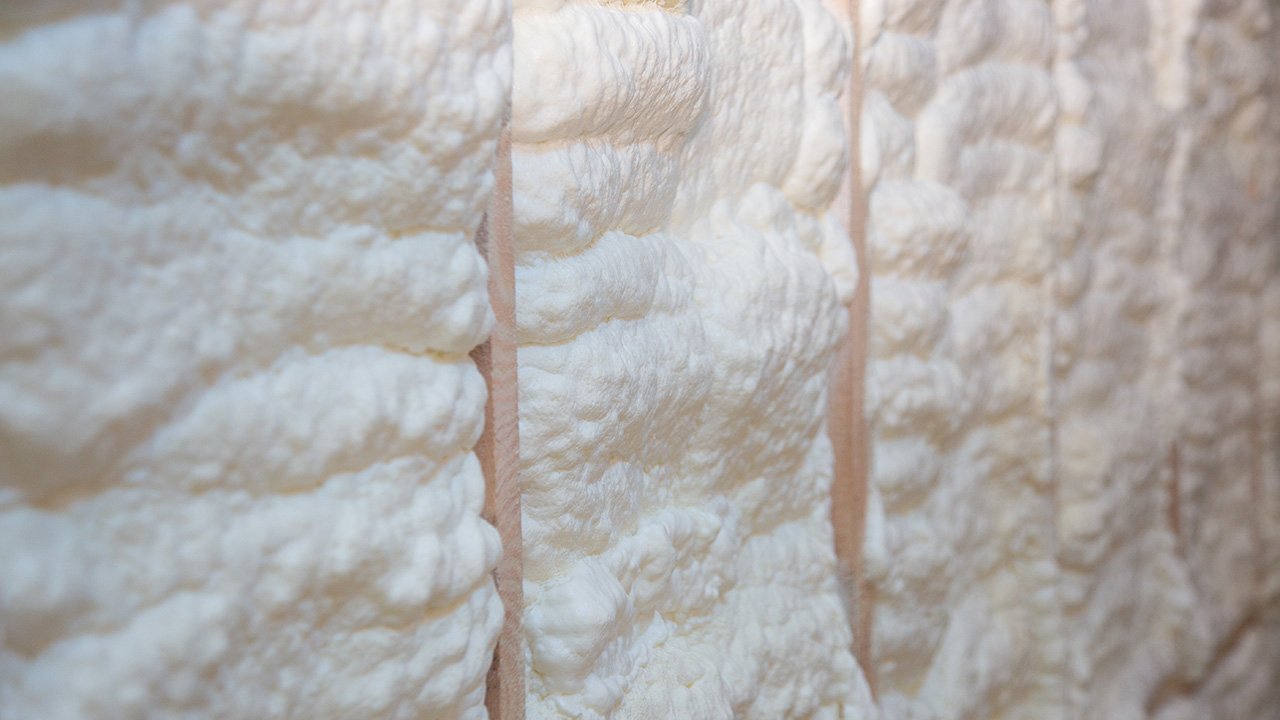
Wall Insulation
Polyurethane spraying can directly act on the inside and outside of the building wall to form a closed-cell insulation layer with low thermal conductivity and strong bonding, which can improve the energy-saving performance of the building and is suitable for new construction and renovation projects.
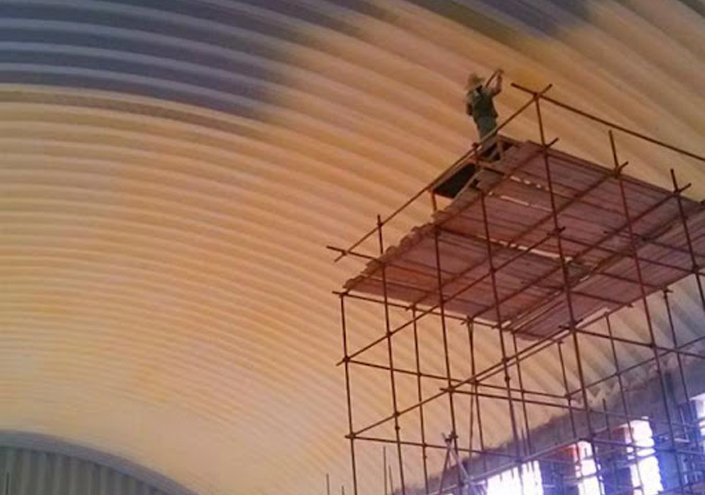
Tank Anti-corrosion And Insulation
PU spraying can form a dense insulation shell on the outer wall of a large storage tank, and combined with anti-corrosion coating, it can effectively insulate and prevent moisture, and extend the service life of the storage tank. It is particularly suitable for chemical, energy and other industries.
Farm Insulation
Spraying polyurethane can form a continuous and airtight insulation layer on the wall and roof, effectively insulating against heat and cold, and improving the growth environment of livestock and poultry. It is suitable for various breeding places such as pig houses, chicken houses, and cow houses.
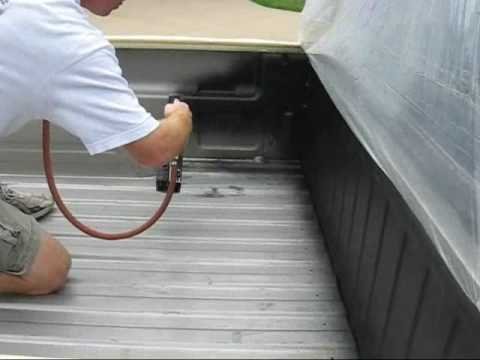
Truck Anti-corrosion
Polyurethane spray machines can be used for anti-corrosion treatment of the inner walls of truck compartments to form a wear-resistant and chemical-resistant protective layer. They are suitable for cold chain transportation, muck trucks, chemical transportation and other scenarios.
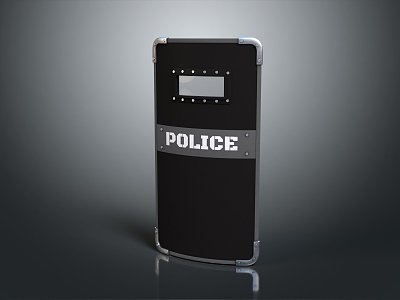
Protective Gear
Polyurethane sprayers can be used for the construction of protective coatings on the surface of protective gear to improve its impact resistance, wear resistance and corrosion resistance. They are suitable for police equipment, security equipment and other fields.

Audio
Polyurethane spraying machine can be used for spraying treatment of audio shells to form a uniform and dense surface coating with good wear resistance, shock resistance and sound insulation performance.
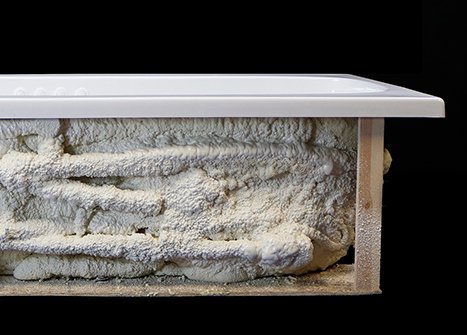
Tub
Polyurethane spraying machine can be used for foaming filling in the interlayer of the bathtub, effectively improving the thermal insulation performance and structural stability of the bathtub.
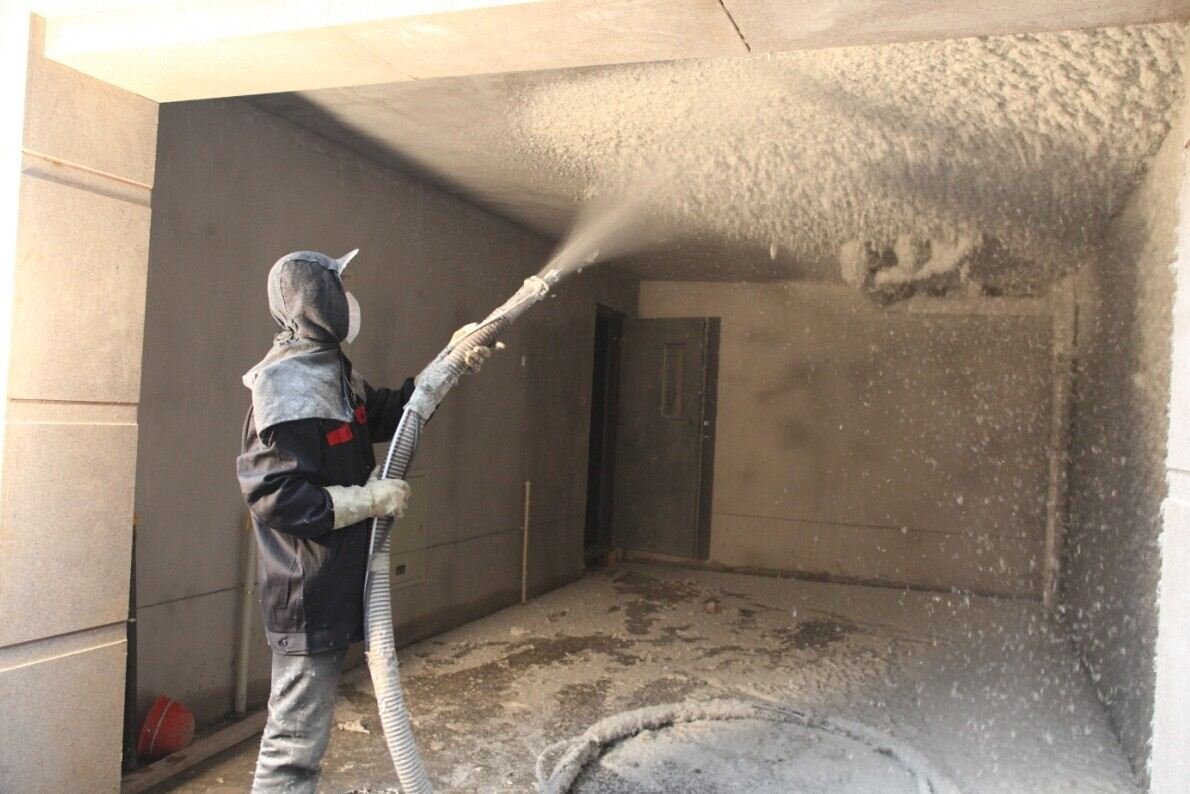
Warehousing
It is widely used in the wall and roof insulation construction of storage buildings, effectively improving the constant temperature capacity of the warehouse, preventing moisture and mildew, and reducing energy consumption. It is suitable for cold storage, granaries and various constant temperature storage facilities.
Releated Products Of PU Spray Foam Machine
FAQs of PU Spray Foam Machine
What is the lifespan of a polyurethane foaming machine?
The lifespan of a polyurethane foaming machine depends on factors such as usage frequency, maintenance, and operating conditions. With proper maintenance and regular servicing, most machines can last between 10 to 15 years. Routine cleaning, calibration, and replacement of worn-out parts help extend the life of the machine.
How do I choose between a high-pressure and low-pressure foaming machine?
High-Pressure Foaming Machines are ideal for high-output, mass production with fast and precise injection cycles. They are best suited for large-scale operations producing consistent, uniform foam.Low-Pressure Foaming Machines are suitable for small-to-medium-scale operations, custom foaming, or research and development. They are cost-effective and provide good flexibility in small batches.Choose based on your production volume, desired foam quality, and budget.
Can I use the same polyurethane foaming machine for different types of foam products?
Yes, most high-pressure and low-pressure foaming machines are designed to be versatile and can handle various foam types, such as memory foam, gel foam, rigid foam, and flexible foam. However, it's important to adjust the settings and use the appropriate raw materials (polyol and isocyanate) based on the type of foam you are producing.
How do I ensure the quality of polyurethane foam produced?
To ensure high-quality foam:Use high-quality raw materials from reputable suppliers.Regularly calibrate the foaming machine and monitor the mixing ratios of polyol and isocyanate.Maintain a stable mold temperature to promote uniform foam expansion.Control environmental factors such as humidity and temperature during the curing process.Utilize a degassing machine to eliminate air bubbles for denser, higher-quality foam.
How often should I service my polyurethane spray machine?
Regular maintenance is key to keeping your polyurethane spray machine in optimal working condition. It’s recommended to:Perform a visual inspection after each use.Clean the mixing chamber, spray gun, and hoses weekly to prevent material buildup.Calibrate the machine monthly to ensure precise mixing and spraying.Schedule a comprehensive inspection and servicing at least once a year or as per the manufacturer’s guidelines.
What types of molds can I use with my polyurethane foaming machine?
Polyurethane foaming machines are compatible with a wide range of custom molds, including:Memory foam molds for pillows, mattresses, and cushions.Automotive seat molds for car interiors.Insulation molds for building materials.Custom-shaped molds for packaging, home products, and other specialty items.Molds can be made from metal, silicone, or plastic, and their design should match the desired foam product’s shape and size.
What are the safety precautions when using polyurethane foaming machines?
Safety is paramount when operating polyurethane foaming machines. Follow these precautions:Wear appropriate PPE, such as gloves, goggles, and a respirator, to protect against exposure to chemicals.Ensure proper ventilation in the working area to avoid inhaling fumes from polyol or isocyanate.Always follow the manufacturer’s instructions for setup, operation, and maintenance.Check for leaks in hoses and fittings to avoid chemical spills.Use temperature-controlled systems to avoid overheating of the foam or raw materials.
Can polyurethane foam be recycled?
Polyurethane foam can be recycled, but the process can be more challenging than other materials. It may be ground down into a granular form to be used in construction, cushioning, or other non-critical applications. However, recycling rates vary depending on local regulations and the type of foam being recycled.
How do I handle raw materials for polyurethane foam production?
Proper handling and storage of raw materials are essential for foam quality and safety:Store polyol and isocyanate in a cool, dry place, away from direct sunlight and heat.Ensure that containers are tightly sealed to prevent moisture contamination.Use non-reactive containers when mixing the raw materials to avoid unwanted chemical reactions.Always follow the Material Safety Data Sheets (MSDS) for safe handling and storage guidelines.
What is the curing time for polyurethane foam, and can it be sped up?
The curing time for polyurethane foam typically ranges from 10 minutes to 1 hour, depending on the foam thickness and the temperature of the mold. You can speed up the curing process by:Increasing mold temperature (using a Mold Temperature Controller).Using accelerators in the foam mixture (if suitable for the application).Curing in a controlled environment (using an oven or heat chamber for faster results).
News & Articles
Compare the complete all PU foam machines from Pioneer.