
Yongjia · Polyurethane Equipment

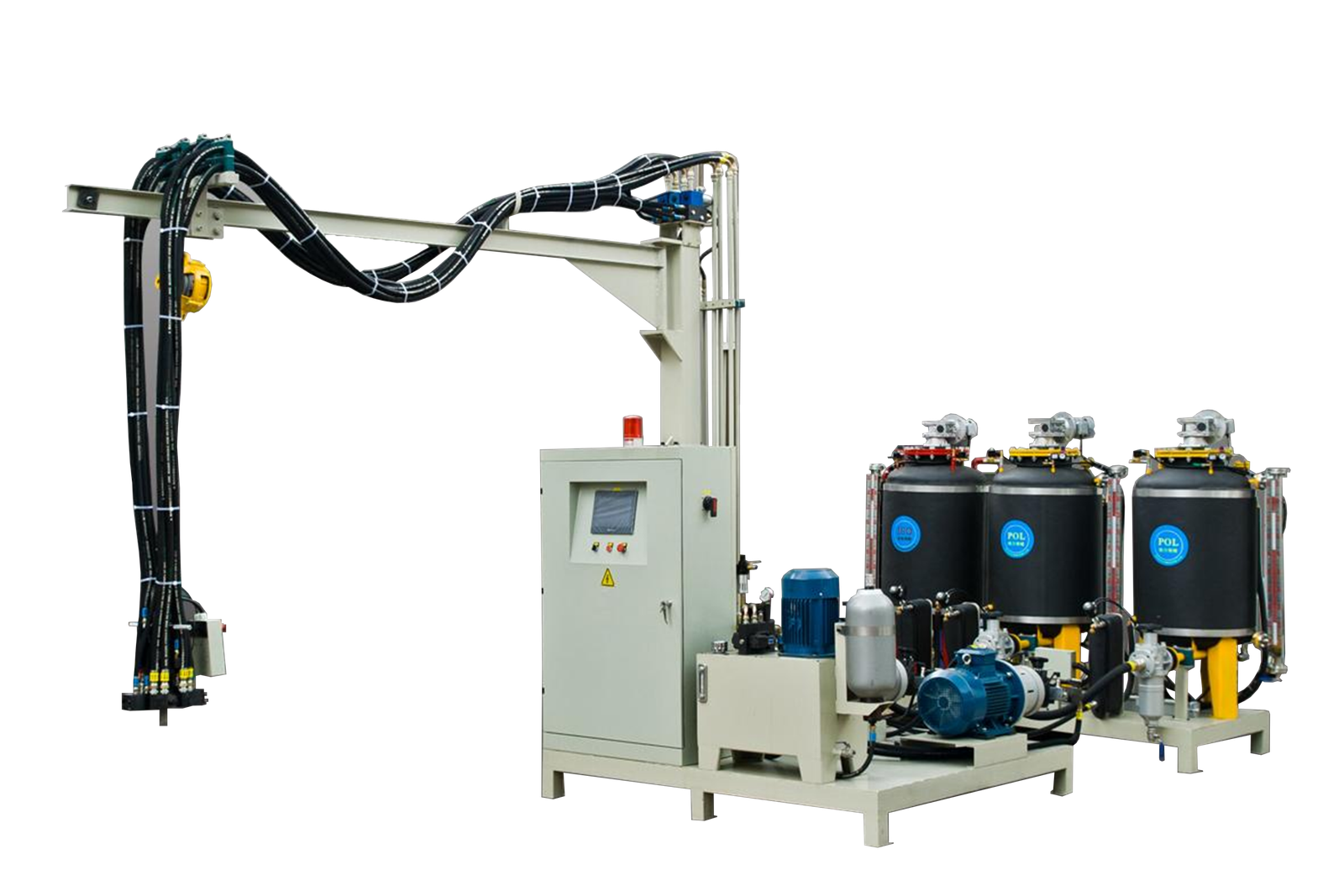
High Pressure PU Foaming Machine

High-pressure PU foaming equipment meters conditioned components and mixes them in a high-pressure mixing head. The correct configuration depends on the finished part, formulation, shot window and line interfaces—not on a model name alone.

  • Automotive seat and interior foam
  • Refrigerator cabinet and door insulation
  • Rigid insulated panels and molded parts
  • Flexible or integral-skin molded foam
Get a Quote

Equipment selection guide

Select the Machine From the Part, Material, Shot and Takt

A model can be shortlisted only after the finished part, polyurethane system, single-shot requirement and production takt are connected. These inputs determine the usable output window, component and tank configuration, dispensing time, and the interfaces needed to keep the line on cycle.

Finished part

Part drawing, dimensions, foam volume and target weight or density for refrigerator cabinets, panels, automotive seating or another molded rigid or flexible foam product.

Material system

Polyol/isocyanate formulation, mix ratio, viscosity, temperature window, blowing agent, fillers and whether two or three components are required.

Single shot & production takt

Minimum and maximum shot weight, available dispensing time, parts per hour or cycle time, mold count and whether the mix head must serve more than one station.

Information needed to size the system

  • Part drawing, dimensions, target foam weight and density
  • Material technical data, mix ratio, viscosity and blowing agent
  • Minimum and maximum single-shot weight plus available dispensing time
  • Target cycle time or parts per hour, mold count and working hours

What the first engineering reply should cover

  • Recommended SPU model or model range and working output window
  • Shot-time and flow assumptions used for sizing
  • Component, tank, mix-head movement and line-interface scope
  • Open material, mold and takt items to confirm before quotation

Project qualification

Send the application, target output and factory conditions. The form keeps this page as the source so the request reaches sales with its equipment context.

Request a Configuration Review

A formal quotation follows after the technical scope is confirmed.

Where This Equipment or Process Fits

The final configuration is matched to the finished product, material system and production target. The application list below is a routing guide, not a claim that one standard configuration covers every process.

  • Automotive seat and interior foam
  • Refrigerator cabinet and door insulation
  • Rigid insulated panels and molded parts
  • Flexible or integral-skin molded foam

Production Process

  1. Condition each compatible component in its assigned tank and circulation loop.
  2. Meter the components through pumps and flow-control hardware selected for the material system.
  3. Mix and dispense through the specified high-pressure mixing head.
  4. Coordinate mold, fixture, motion and safety interlocks with the production takt.

Technical Information to Confirm

ItemWhat must be confirmed
ComponentsTwo-component, three-component and auxiliary streams must be defined independently.
OutputState the required working output range in g/s and the shot time used for sizing.
PressureMixing pressure is confirmed for the selected pumps, flow meters and mixing head.
Tank volumeSize from consumption, conditioning time and changeover plan.
CyclopentaneDefine hazardous areas, ventilation, gas detection, electrical protection and local compliance requirements.
OptionsSeparate standard machine scope from optional tanks, motion, automation and line integration.

Scope, Evidence and Acceptance

An additional component does not automatically provide rapid color or formulation switching. A cyclopentane-ready project also requires a site-specific safety design; certification is stated only when the delivered certificate and model scope are available.

Before order, the proposal should identify the selected model or system, included and excluded equipment, utilities, buyer responsibilities, test material, acceptance criteria, documentation and service scope. Values without a model, unit or condition are not used as purchasing guarantees.

Send the product drawing, material data and target output for an engineering configuration review.

Request Configuration

Related Equipment and Next Steps