
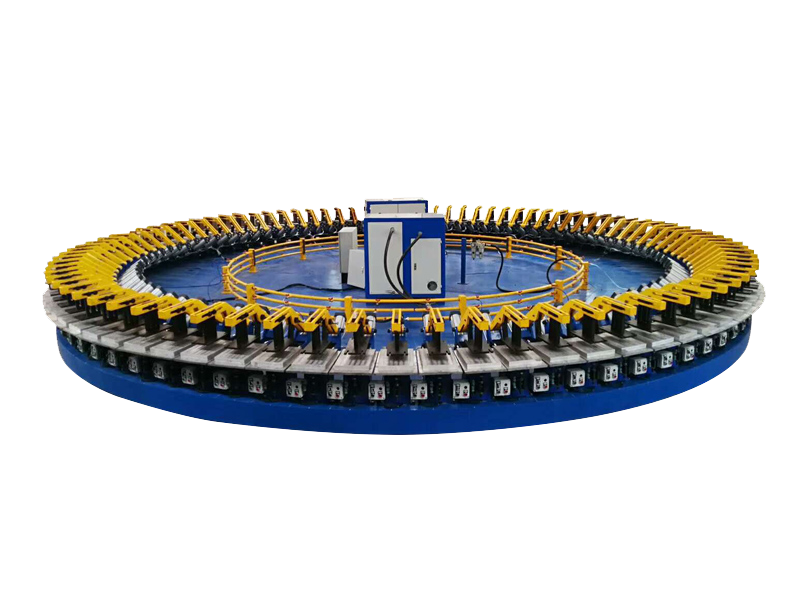
Why is polyurethane suitable for sole/insole manufacturing?
Polyurethane (PU) has become the preferred material for high-end soles and insoles due to its excellent elasticity, shock absorption, wear resistance and lightweight properties. Compared with traditional rubber, EVA or PVC materials, PU soles are not only softer and fit the foot shape, but also have a longer service life and better fatigue resistance. They are widely used in sports shoes, labor protection shoes, casual shoes, health shoes and functional insoles.
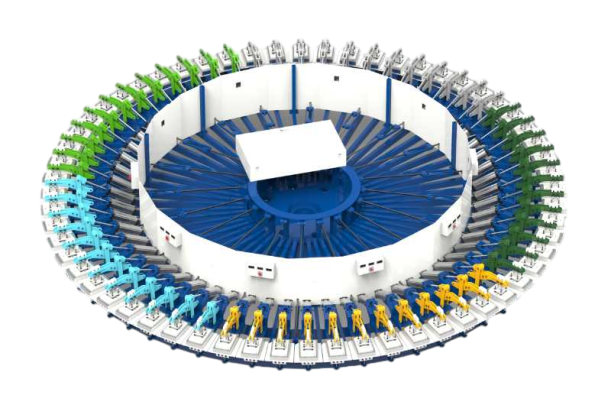
Pu Sole/Insole Production Line
The Pu Sole/Insole Production Line is mainly composed of raw material metering feeding system, high-pressure or low-pressure foaming machine, automatic injection platform, precision mold system, constant temperature heating/cooling device, demoulding processing system and other modules. According to the different product shapes and production requirements, the whole line can be configured as an automatic rotating disc production line, a ring production line, and a banana production line to achieve efficient production of various sole structures (such as single density, double density, and multi-color injection).
This production line has the following significant advantages:
- Uniform foaming and controllable density ensure product elasticity and comfort;
- High degree of automation, stable efficiency, and adaptability to large-scale continuous production;
- The mold can be flexibly replaced to support a variety of specifications and design development.
Different Type of Sole/Insole Production Line
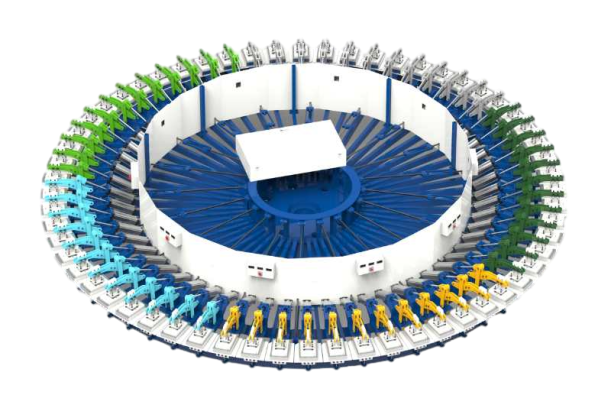
Carousel Sole/Insole Production Line
This Pu Sole/Insole Production Line is based on a circular rotating table where molds are arranged evenly. The table rotates step by step or continuously, moving molds between each workstation, while operators and machines remain stationary around the carousel.
- Compact Layout:Maximizes space usage with a centralized footprint.
- Easy Monitoring:All molds are visible and reachable from one location.
- Modular Scalability:Additional stations can be added easily for increased capacity.
- Steady Rhythm:Suitable for standardized, repetitive production cycles.
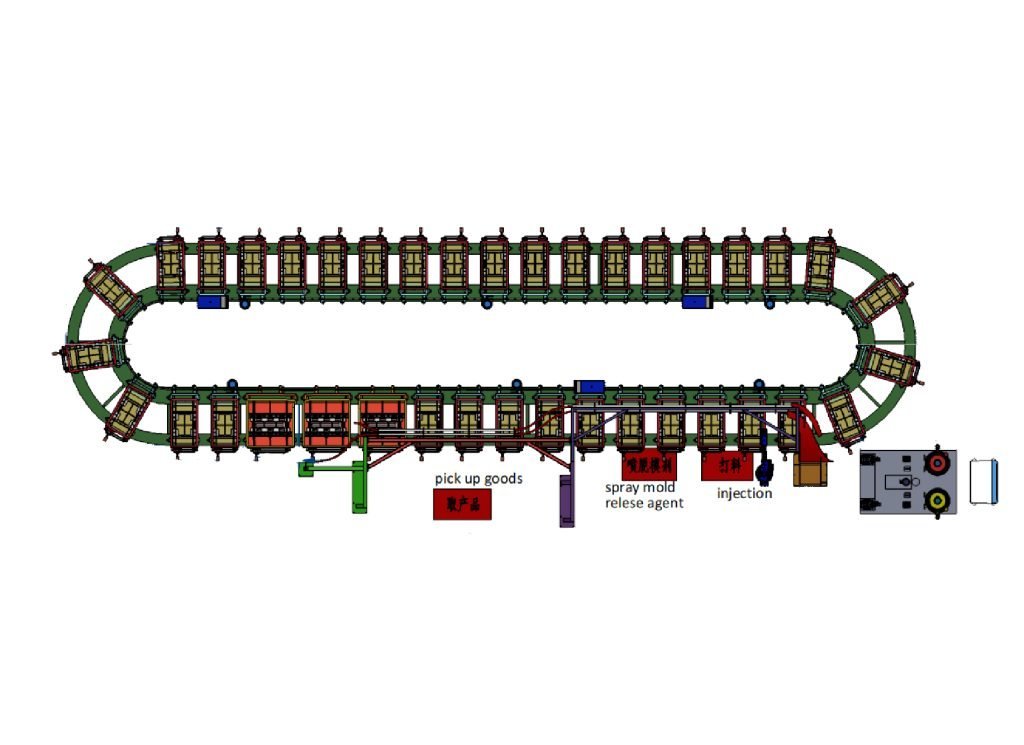
Rotary Sole/Insole Production Line
The Rotary Production Line features a closed-loop oval or rectangular track where molds or fixtures continuously circulate. Each station along the track can perform different processes such as injection, foaming, curing, demolding, and trimming. It’s commonly used in high-output polyurethane product lines.
- Extended Processing Time:Ideal for products requiring longer curing cycles.
- Multi-Station Design:Supports parallel operations for improved throughput.
- Automation Ready:Easily integrates with robots, conveyors, and temperature control systems.
- Flexible Process Flow:Different process zones can be added as needed.
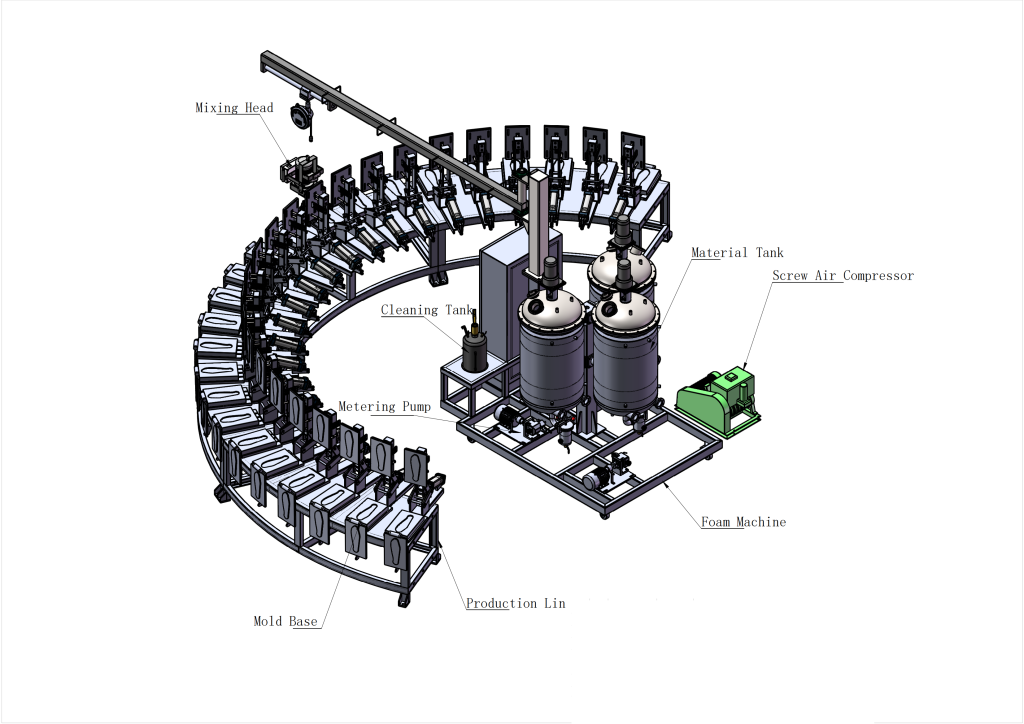
Banana Sole/Insole Production Line
Named for its curved shape resembling a banana, this line typically adopts a U-shaped or L-shaped semi-loop configuration. The flow is linear, with raw material loading at one end and finished product collection at the other. It’s highly flexible and operator-friendly.
- Flexible Layout:Adapts to irregular or narrow factory spaces.
- Low Initial Investment:Cost-effective setup, especially for small and mid-sized businesses.
- Hybrid Workflow:Supports manual, semi-automatic, or hybrid operations.
- Easy Changeovers:Fast switch between product types.
How to Choose Right Sole/Insole Production Line
Criteria | Rotary Line | Carousel Line | Banana Line |
Production Volume | High output, ideal for continuous mass production | Medium–high output for stable, repeatable models | Low–medium output for flexible production |
Space Requirement | Large footprint | Compact footprint, efficient space utilization | Flexible layout, fits narrow spaces |
Automation Level | Fully automatable, supports multiple processes | Semi or fully automated | Mostly manual or hybrid |
Best Suited For | Large-sized products or long curing times (e.g., mattresses, automotive interiors) | Standardized products (e.g., memory pillows, cushions) | Multi-type, small-batch production (e.g., trim, decorative panels) |
Investment Cost | High | Moderate | Low, ideal for startups or trial production |
Ease of Maintenance | Complex, requires automation support | Centralized operation, easy to manage | Simple to operate and maintain |
Key Stages of the PU Sole/Insole Production Line
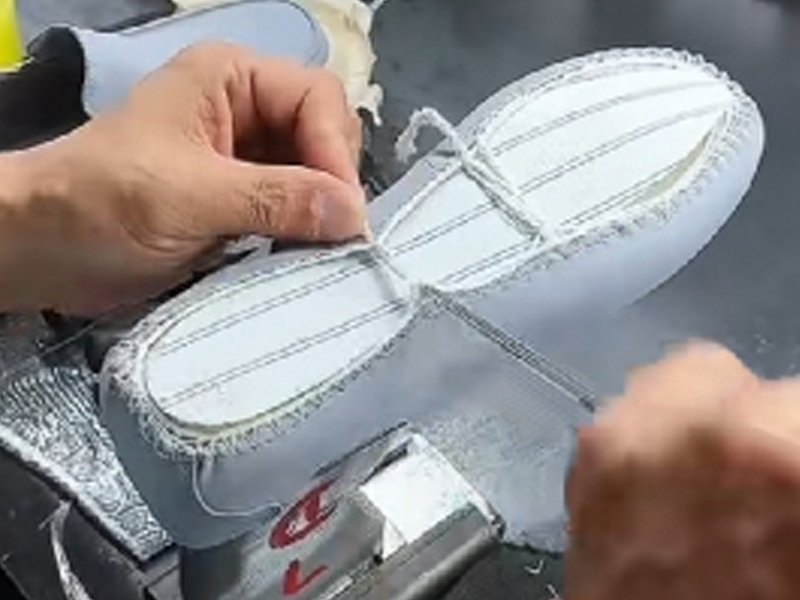
Step 1: Pretreatment
The shoe upper is shaped and prepped for integration into the mold, ensuring it fits the design specifications and is ready for the next stage of production.
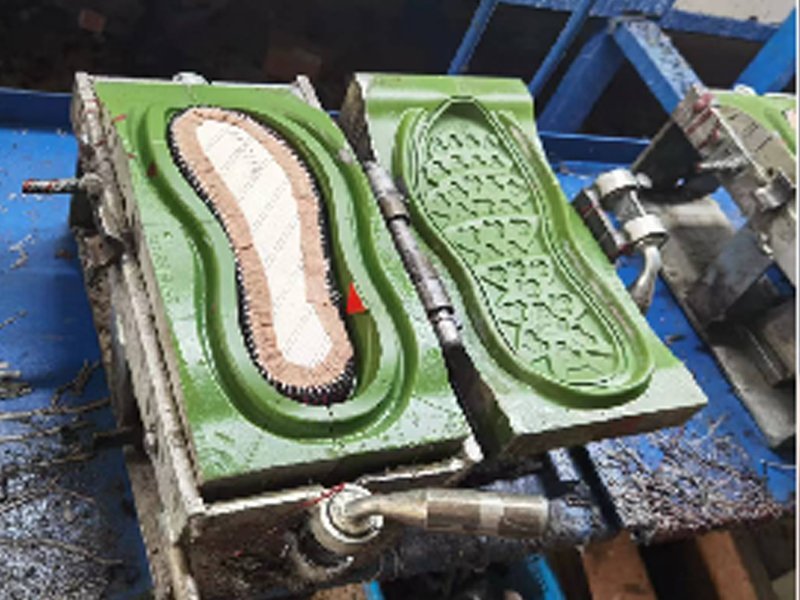
Step 2: Spraying Release Agent
A release agent is sprayed onto the mold surface to prevent the polyurethane material from sticking, ensuring smooth demolding and a flawless finish.
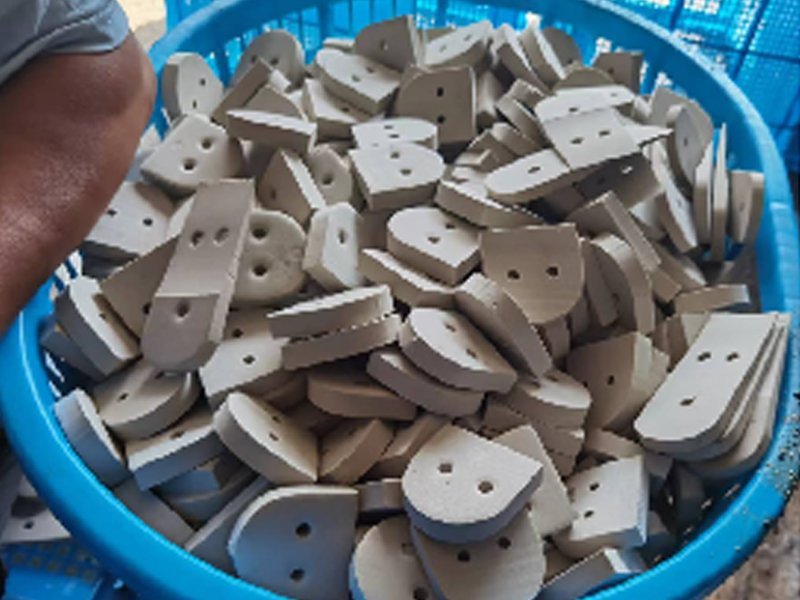
Step 3: Filling
The shaped shoe upper and heel are carefully placed into the mold, ensuring they are correctly positioned for the molding process.
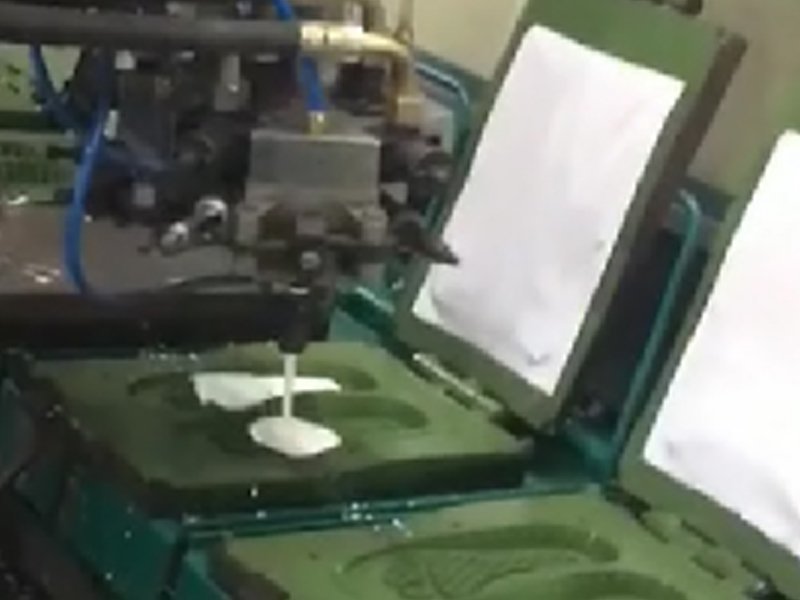
Step 4: Injection
Polyurethane raw materials are injected into the mold using precise machinery, ensuring an even distribution that fills the mold cavity.
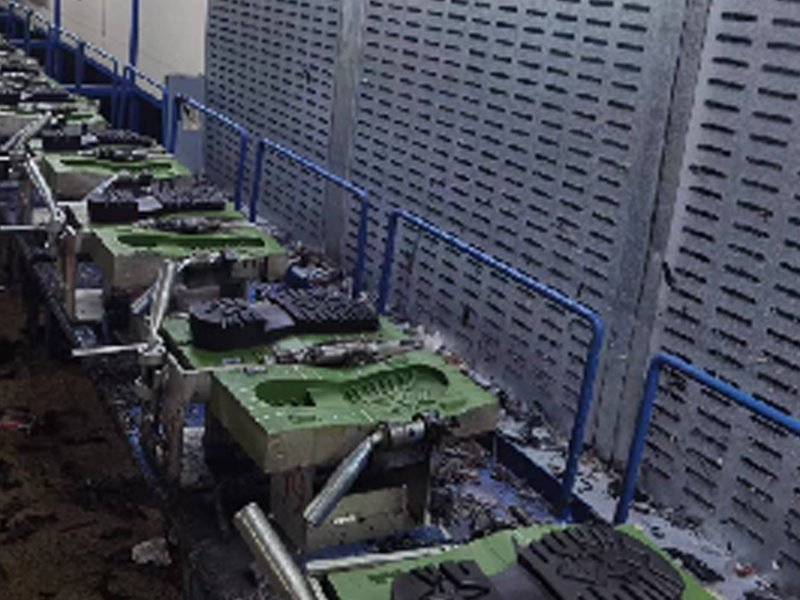
Step 5: Mold Closing
The mold is closed, and the injected polyurethane begins to foam and expand, taking the shape of the sole within the mold.
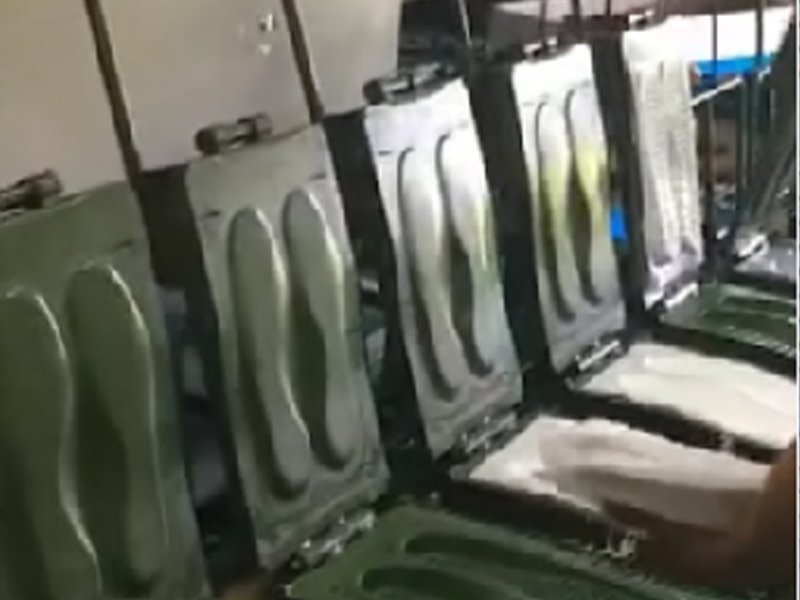
Step 6: Demolding
Once the foaming reaction is complete and the polyurethane has cured, the mold is opened, and the sole is carefully removed.
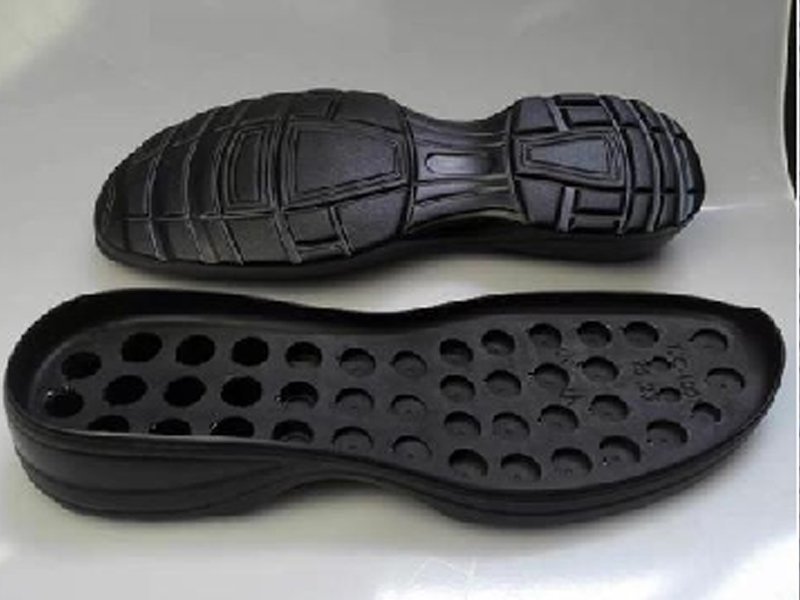
Step 7: Post-Processing
The sole undergoes various post-processing steps, including edge trimming, grinding, dyeing, and embossing, to achieve the desired appearance, texture, and finish.
Applications of Pu Sole/Insole Production Line
Polyurethane high-pressure foaming machines are widely used in multiple industries due to their precise mixing, efficient injection and stable performance. Whether it is industrial use that pursues structural strength or consumer products that require high comfort and aesthetics, this equipment can provide high-quality foaming solutions.
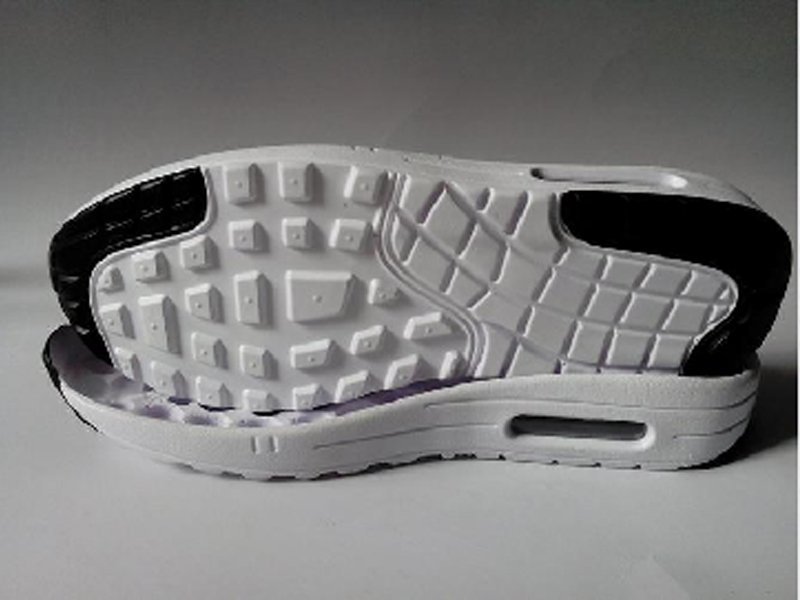
Sports & Casual Footwear
Polyurethane soles have excellent elasticity and wear resistance, providing long-lasting cushioning and protection. This helps reduce foot fatigue during long-term walking or exercise, making them ideal for sports and leisure shoes.
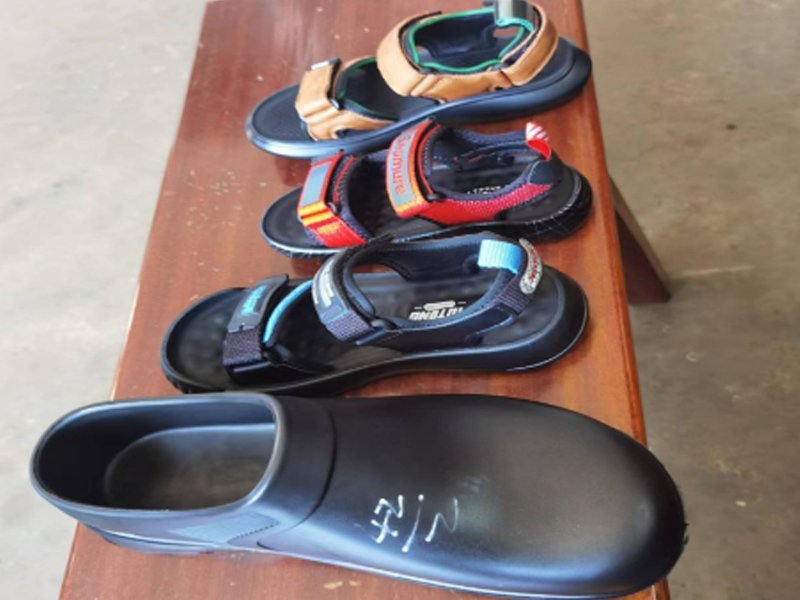
Medical And Orthopedic Shoes
PU soles are widely used in medical and rehabilitation shoes due to their softness and excellent shock absorption performance, providing comfort and support for users with special foot care needs.
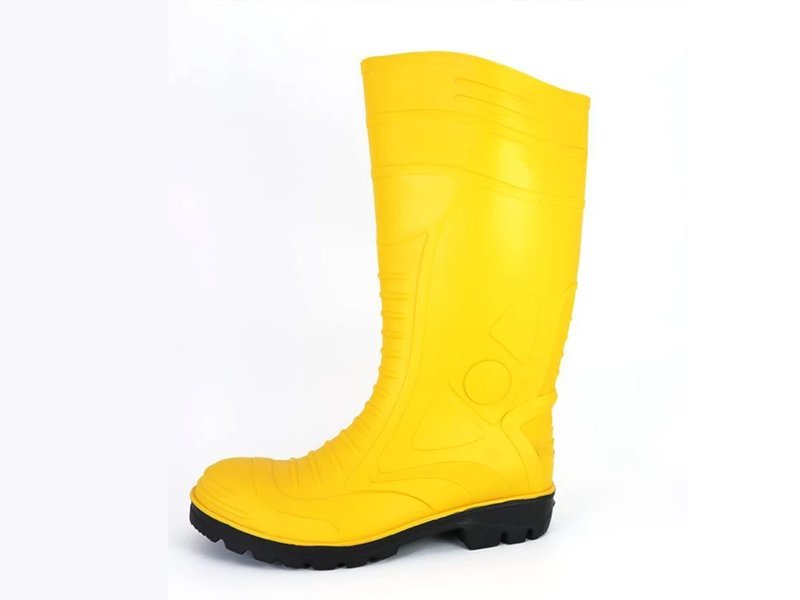
Anti-slip Shoes And Rain Boots
PU soles have excellent grip and anti-slip properties, making them ideal for rain boots and anti-slip shoes, especially in wet or slippery safety environments.
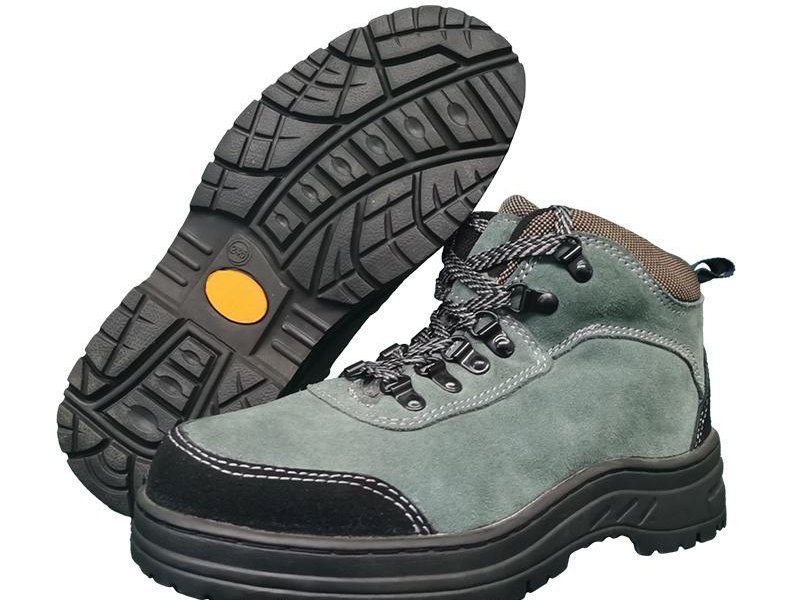
Work Shoes And Safety Shoes
In industrial or high-intensity working environments, PU soles have excellent compression resistance, durability and cushioning. Its oil and chemical resistance also ensures safety and reliability in harsh working conditions.
FAQs of Pu Sole/Insole Production Line
What types of soles/insoles can this production line make?
It can produce a wide range of polyurethane soles and insoles, including casual shoes, sports shoes, safety boots, orthopedic insoles, and custom footbeds.
Is it suitable for both soft and hard PU formulations?
Yes, the line supports both soft and rigid polyurethane systems, and can be configured to suit different hardness levels, densities, and comfort requirements.
What’s the typical production capacity?
Depending on the mold configuration and automation level, the production line can output 150–300 pairs per hour.
Can I switch between different models quickly?
Yes, with modular mold setups and recipe memory in the foaming machine, switching between models can be done with minimal downtime.
What’s the advantage of PU soles over rubber or EVA?
PU soles offer superior shock absorption, light weight, durability, and customizability—making them ideal for comfort-focused footwear.
What type of equipment is included in the line?
The full line includes a PU high or low-pressure foaming machine, mold carriers or rotary lines, preheating ovens, demolding stations, and optional automatic trimming and spraying systems.
Do I need special training to operate the line?
Basic operator training is provided. The system is designed with user-friendly controls and can be operated after brief instruction.
Is it compatible with eco-friendly materials?
Yes, the system can work with modern water-based or low-VOC PU formulations, depending on your requirements.