
Why is polyurethane suitable for PU crown manufacturing?
Polyurethane (PU) is a lightweight, strong, durable, and easy-to-process polymer material, making it ideal for interior and exterior decorative moldings. Compared to traditional plaster, wood, or PVC, PU decorative moldings offer the following significant advantages:
- Low specific gravity, easy installation, and resistance to cracking and deformation;
- Waterproof and moisture-resistant, suitable for areas such as kitchens and bathrooms;
- Adaptable to various complex patterns and three-dimensional structures to suit diverse architectural styles;
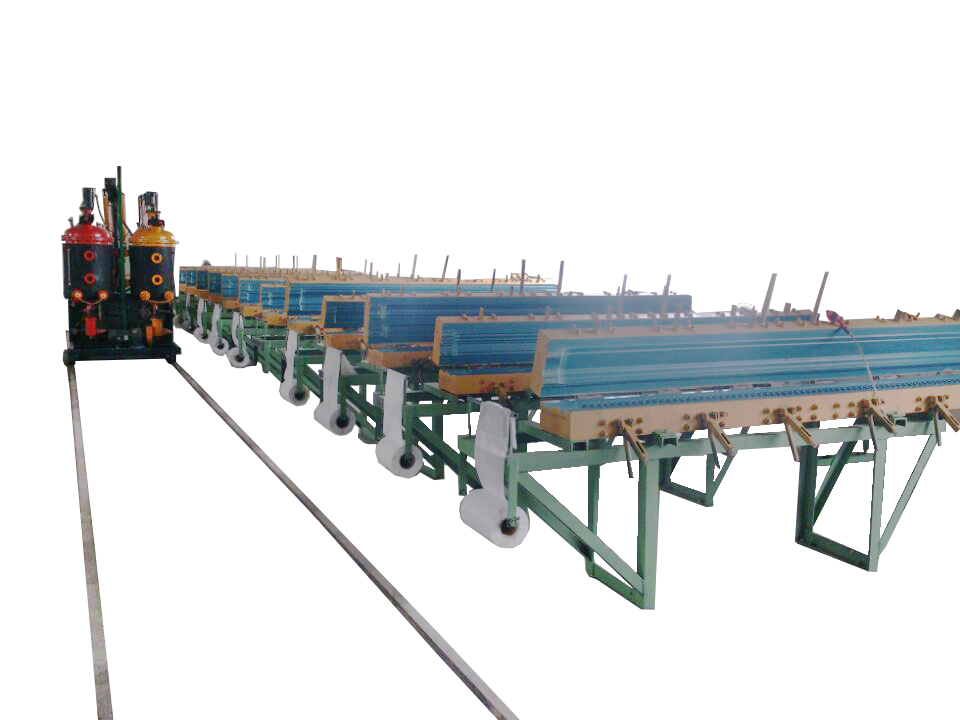
PU Crown Moulding Production Line
The PU Cornice production line is easy to operate and low-maintenance, suitable for producing PU decorative moldings in a variety of specifications and patterns. Through precise metering and temperature-controlled foaming technology, the moldings produced have uniform porosity and density, excellent dimensional stability, and excellent surface quality. Molds can be customized to meet the needs of different architectural styles.
Components of PU Crown Moulding Production Line
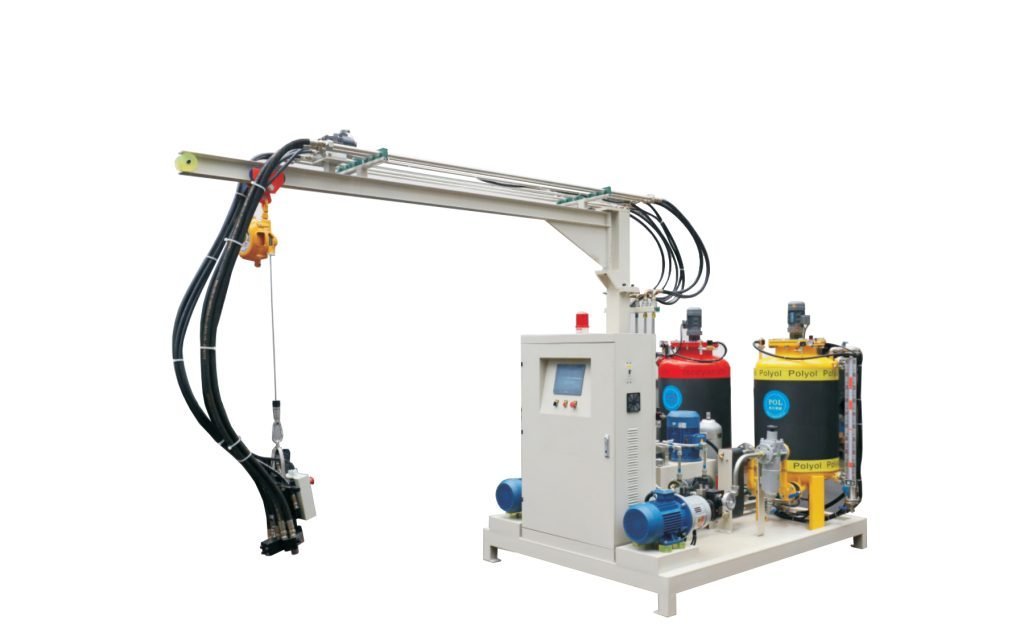
High Pressure Foaming Machine
High-pressure foaming machines offer the following advantages when used in polyurethane cornice production:
- Precise material ratios and stable output ensure uniform density across all foam sections;
- Fast reaction and curing times improve production efficiency and reduce mold occupancy;
- Clean, residue-free mixing minimizes maintenance and downtime;
- Automatic metering and adjustable output accommodate molding of varying sizes and shot sizes.
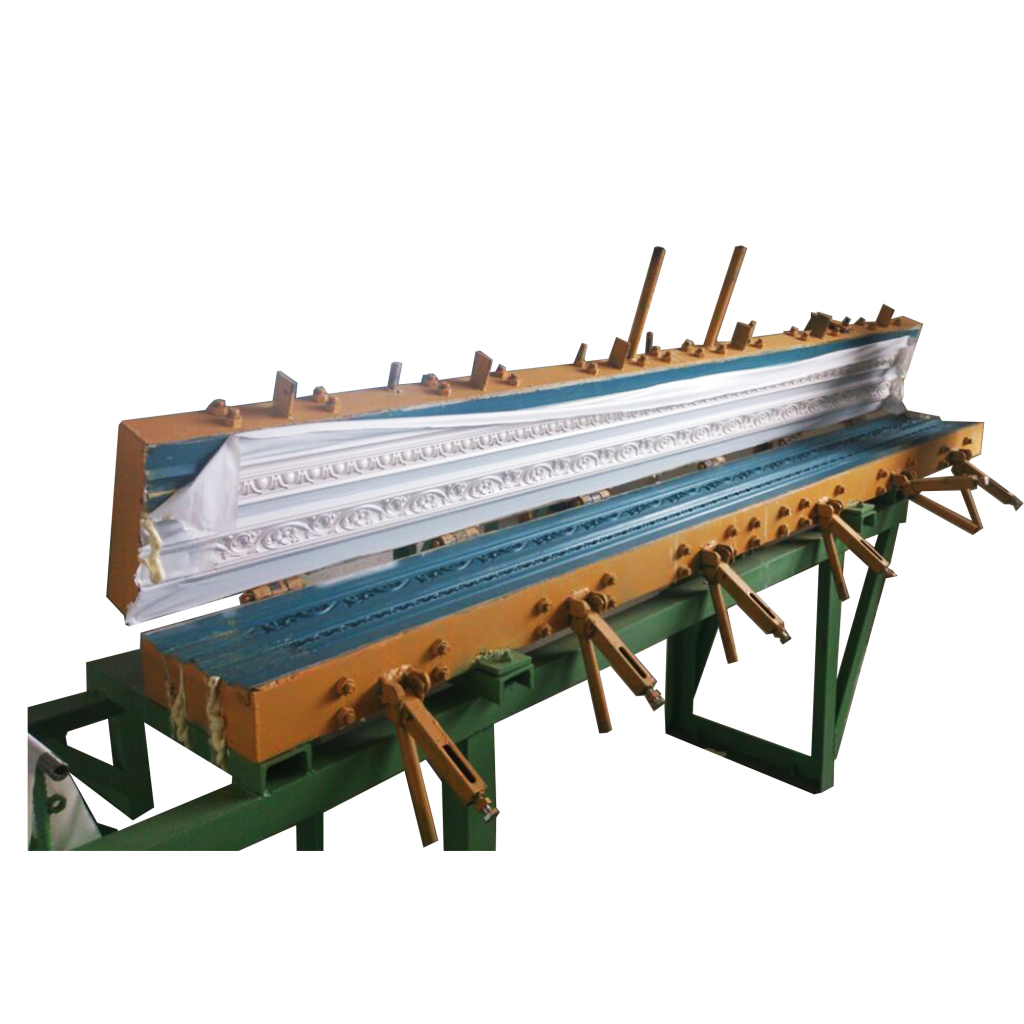
Cornice Molds
Cornice molds are capable of creating intricate and detailed product patterns. They are typically made from durable resin materials that can withstand the high temperatures and pressures of the polyurethane injection and curing processes. Designs such as non-stick coatings (PVC film) make demoulding smoother and more efficient.
Request a Quote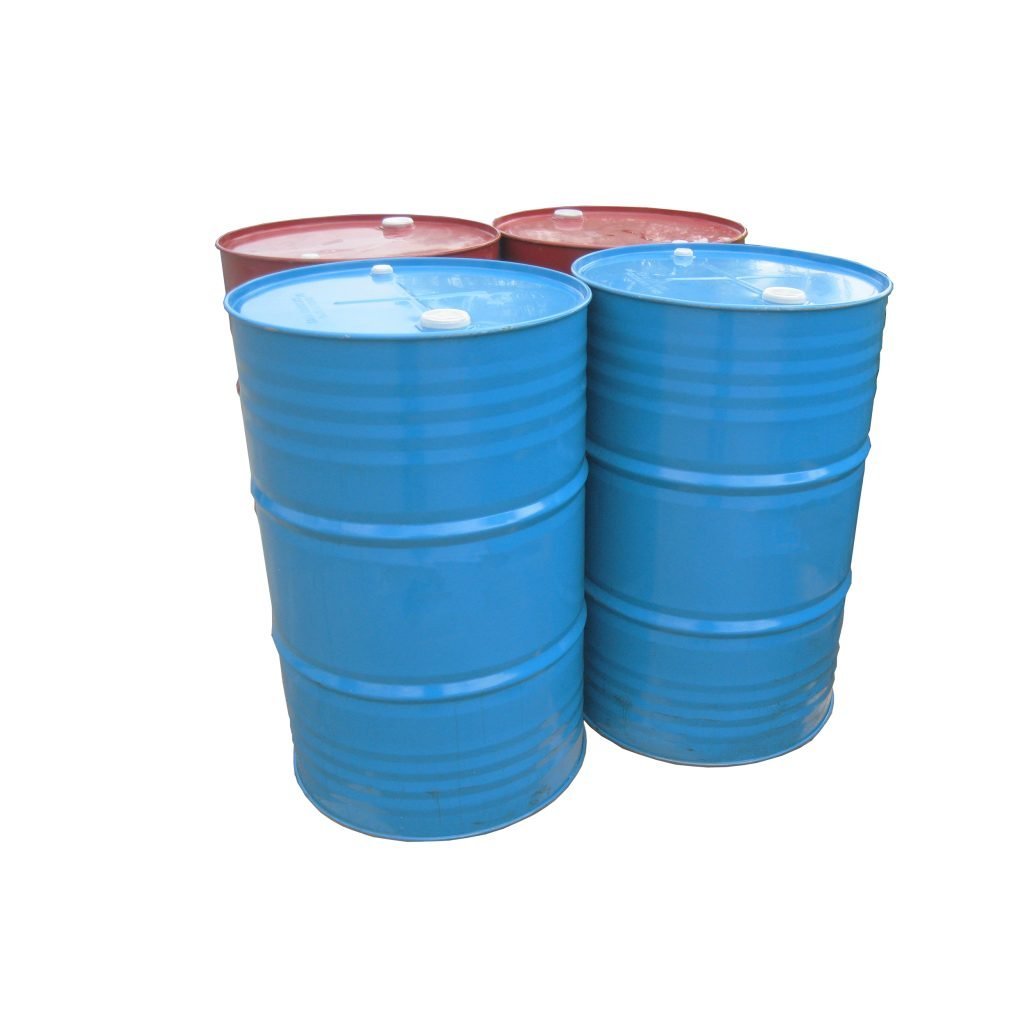
PU Raw Materials
Polyurethane cornice raw materials utilize a combination of high-quality polyols and isocyanates, along with various additives, specially formulated to create lightweight, strong, and aesthetically pleasing decorative profiles. These materials are crucial to ensuring the durability, detail, and surface finish of the final product.
Key Features
- The precise polyol and isocyanate ratio ensures a consistent cell structure, stable density, and a smooth finished surface.
- The resulting foam cornice is lightweight yet strong, easy to install, and durable.
- Additives and catalysts are customized to achieve a fast cure cycle and increase production efficiency.
- Flame retardants, colorants, and stabilizers can be added to meet specific design or safety requirements.
Production Process of PU Crown Moulding Production Line
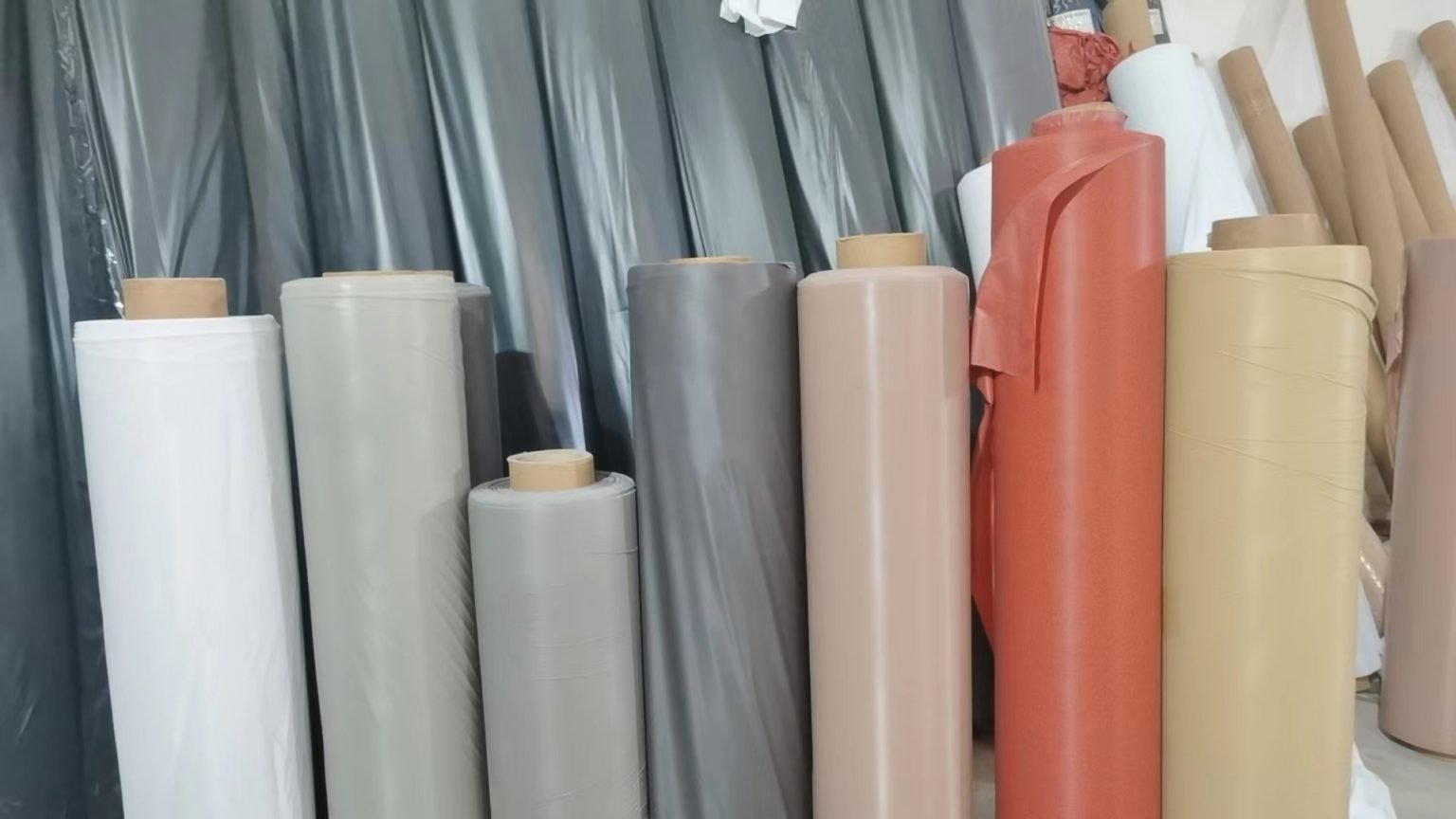
Step 1: Placing PVC Film
Placing PVC film into the mold can prevent polyurethane from adhering to the mold and enhance the surface finish of the final cornice, giving it a smooth and delicate texture.
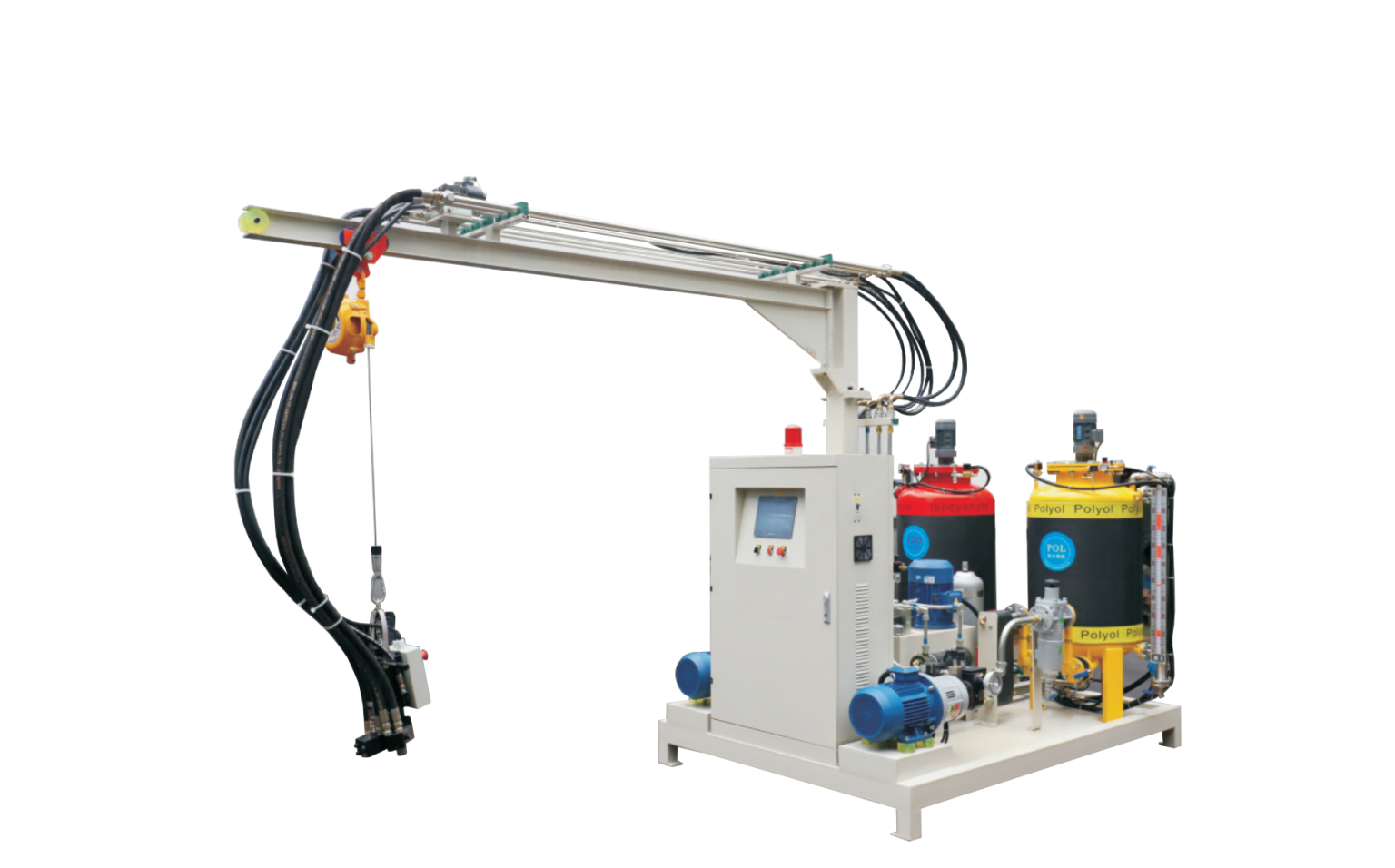
Step 2: Material Injection
Inject the evenly mixed polyurethane raw materials into the mold.
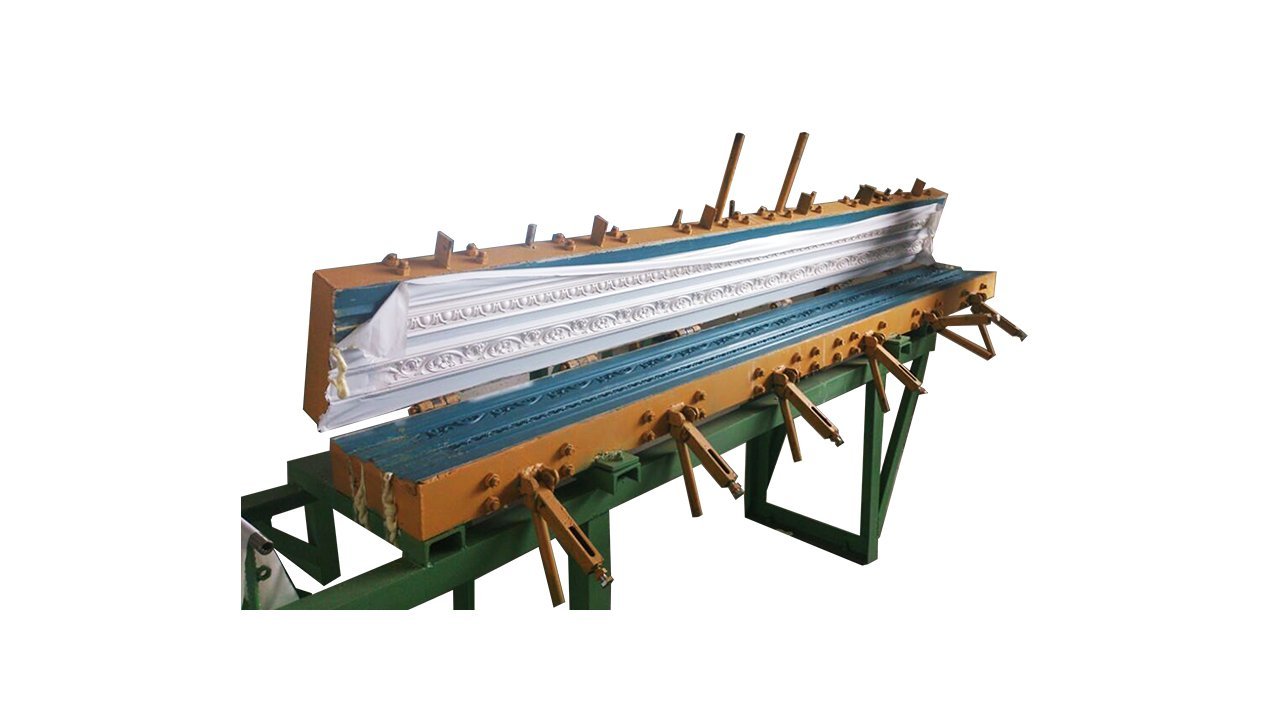
Step 3: Mold Closure And Foaming
After injection, the mold closes and the polyurethane begins to expand and foam.
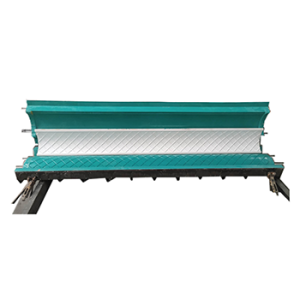
Step 4: Mold Opening And Product Demolding
After foaming and curing are completed,open the mold and demoulded.
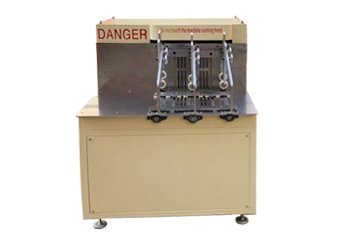
Step 5: Trimming And Finishing
Use trimming machine to trim the edges of the cornice. This ensures a smooth finish and facilitates painting, packaging or direct installation.
Releated Products Of PU Crown Moulding Production Line
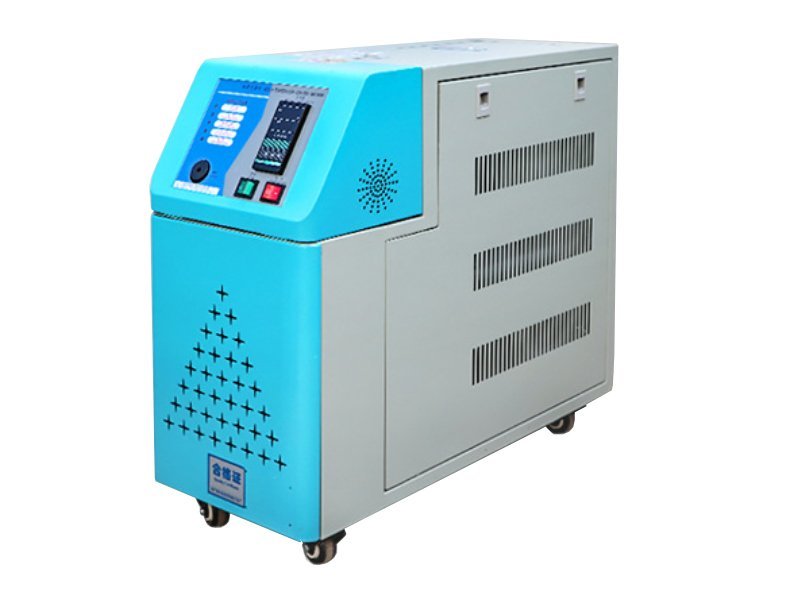
Mold Temperature Controller
The Mold Temperature Controller (MTC) regulates mold temperature during the polyurethane foaming process. This device helps achieve the desired strength, density, and flexibility of the final product.
Key Features
- Provides high-precision mold temperature regulation, ensuring uniform curing.
- Quickly adjusts to any temperature fluctuations, maintaining consistent mold conditions for each product batch.
- Can be integrated into existing production lines to improve overall production efficiency.
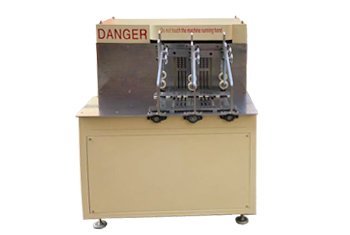
Trimming Machine
Trimming machines are used to remove excess material or rough edges from finished products after molding, ensuring smooth, precise edges.
Key Features
- Precision cutting ensures smooth, even cuts on product edges.
- Users can adjust cutting depth, speed, and angle based on material and product requirements.
- Suitable for trimming a variety of materials, including foam, plastic, and rubber.