
Why is PU suitable for Memory Foam Pillow manufacturing?
Polyurethane (PU) has become a key material in modern pillow manufacturing due to its excellent elasticity, breathability, and environmental performance. Polyurethane pillows offer the following advantages:
- Polyurethane foam offers excellent resilience and softness, effectively supporting the head and neck and improving sleep quality.
- The open-cell structure facilitates air circulation, keeping the pillow dry and reducing bacterial growth.
- Polyurethane pillows are lightweight, durable, and have a long lifespan.
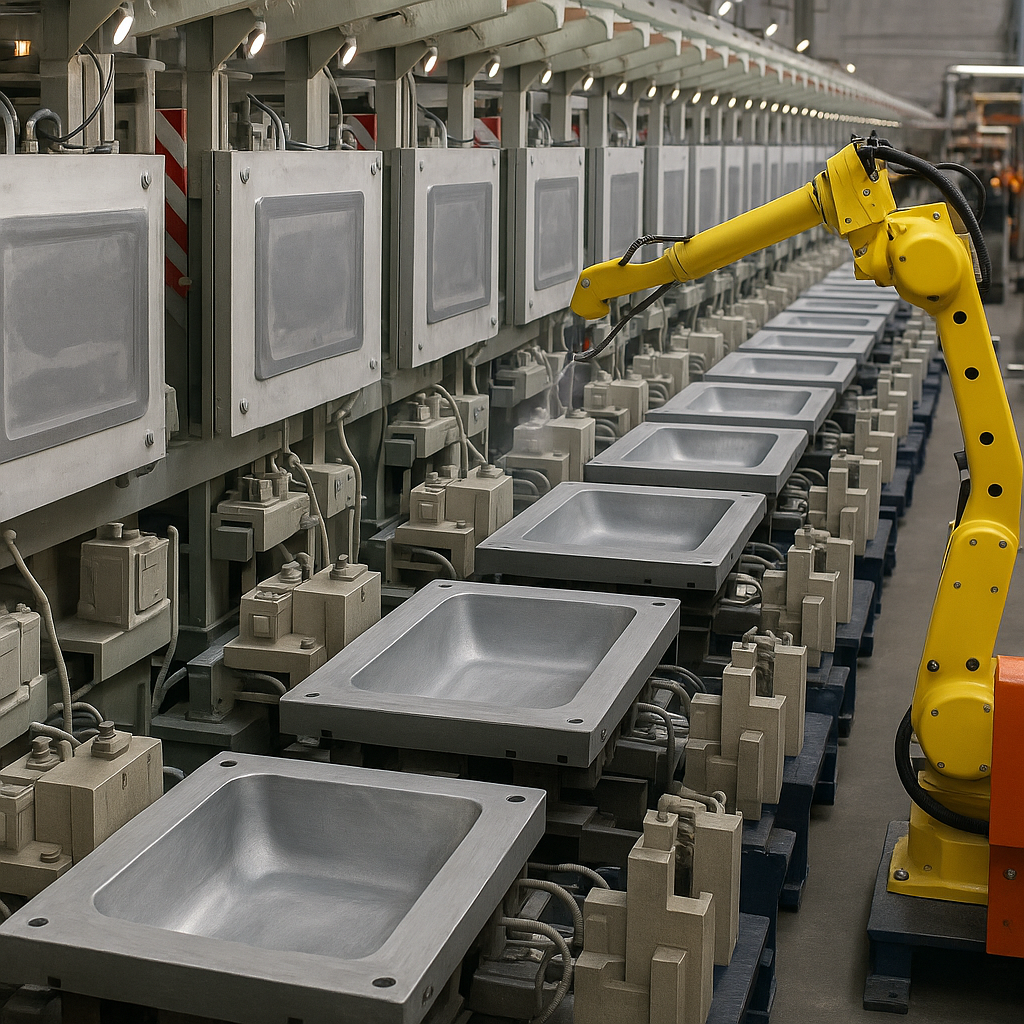
Basics Foam Pillow Production Line
Polyurethane basics foam pillow production lines are primarily available in three types: turntable, rotary, and banana, adaptable to varying production capacity and space requirements. These lines offer high efficiency, stability, flexibility, and ease of operation and maintenance, meeting the production needs of diverse pillow sizes and specifications, ensuring superior performance in terms of elasticity, density, and comfort.
Different Type of PU Foam Pillow Production Line
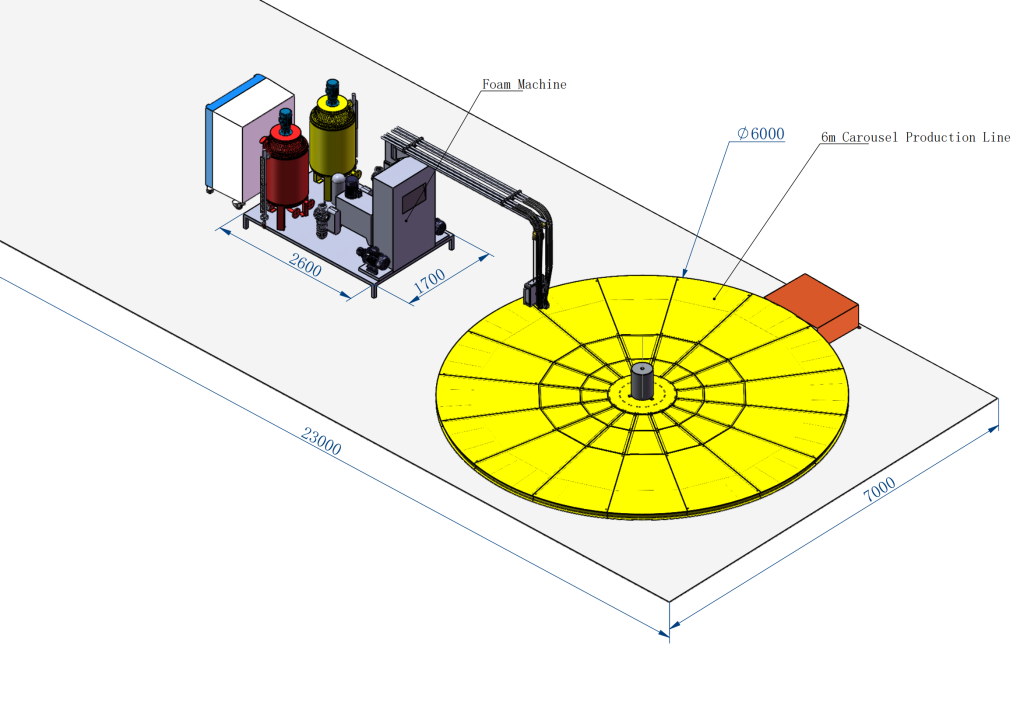
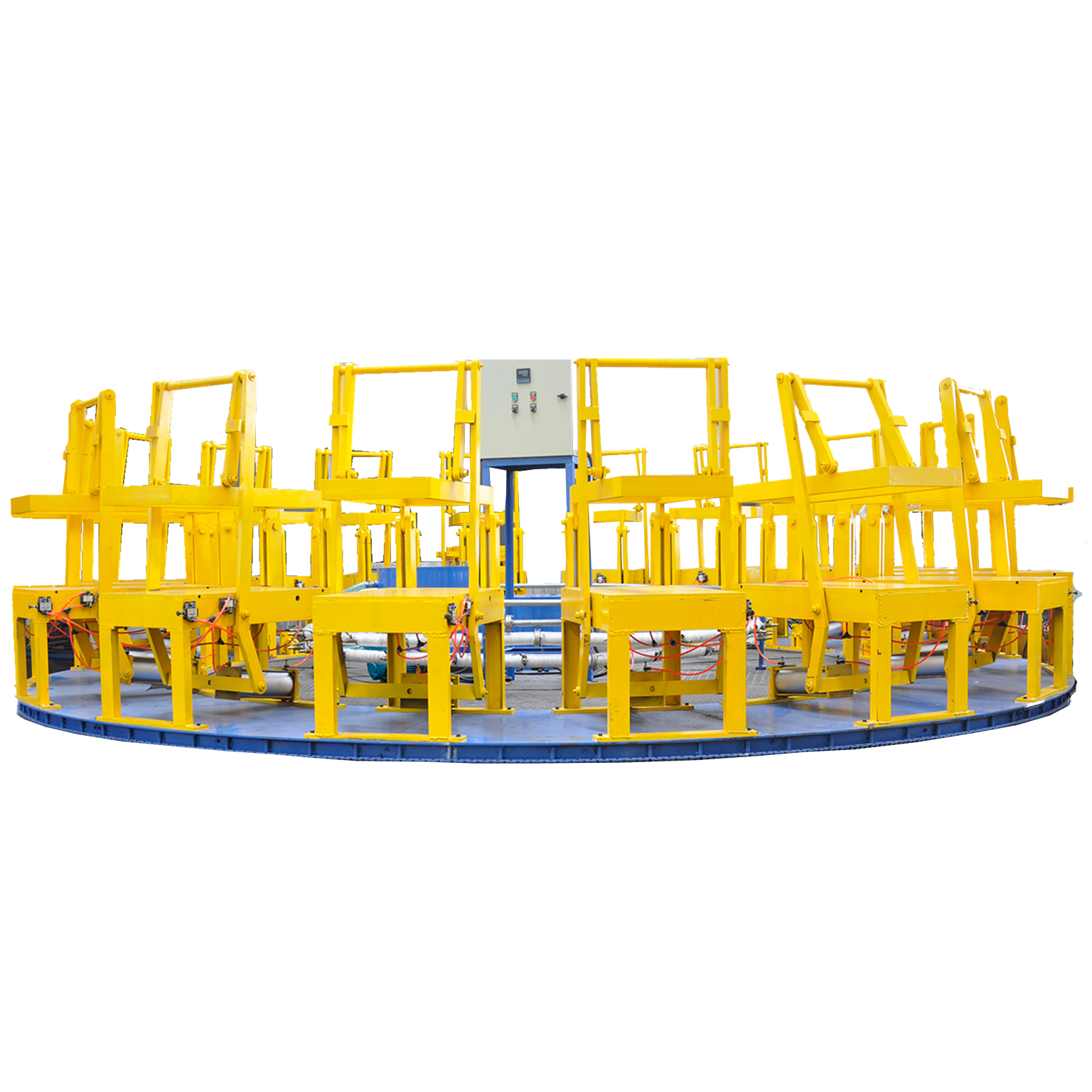
Carousel Foam Pillow Production Line
The Carousel Production Line features a central rotating disc platform with evenly spaced mold stations. This layout allows products to be processed in a circular motion, where operators and equipment stay stationary, while the molds rotate through each production stage. It is especially suited for continuous operations that benefit from compact space usage and streamlined control.
- Centralized Workflow:All processes can be monitored and controlled from one central point.
- Space Efficiency:Circular design maximizes floor space utilization, ideal for constrained factory layouts.
- Scalable structure: New molds can be added to increase production without major overhaul.
- Automation Ready:Can be integrated with automatic mold opening, foam injection, and demolding systems.
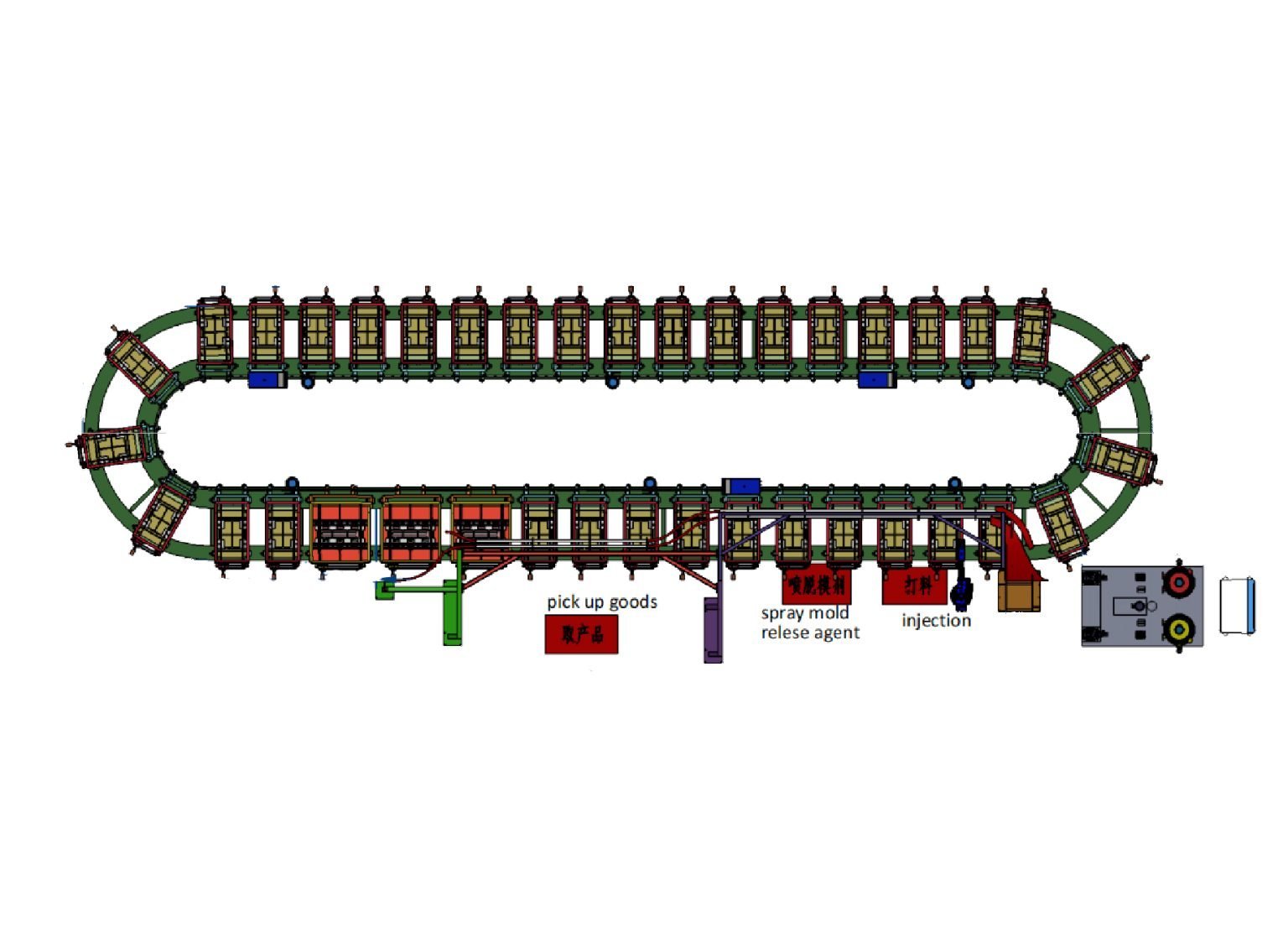
Rotary Foam Pillow Production Line
The Rotary or Ring Production Line adopts an elongated oval or rectangular closed-loop track, where molds are continuously circulated through a series of production stations. This structure supports longer curing cycles and allows integration of multiple work processes along the way—including foaming, trimming, inspection, and packaging.
- High Throughput Capacity:Capable of handling larger molds or longer foam curing times without bottlenecks.
- Process Integration:Easily accommodates robotic arms, infrared heating zones, and trimming units.
- Multi-Station Workflow:Each section of the track can serve a specific function, enhancing efficiency.
- Robotic or Manual Compatible:Suitable for full automation or hybrid operation.
- Stable Line Rhythm:Continuous circulation supports synchronized high-volume production.
Banana Foam Pillow Production Line
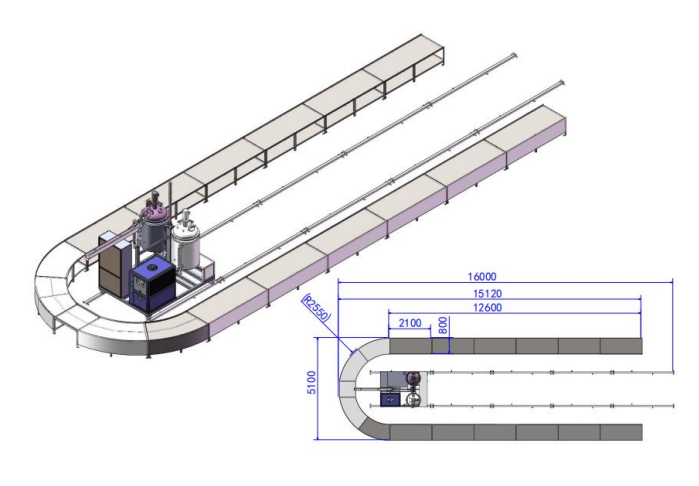
Banana line is an economical production layout commonly used in the production of polyurethane pillows. It is U-shaped or C-shaped as a whole. The mold is fixed and the foaming equipment is set at one end or in the center. The injection coverage within a certain range is achieved by a robot arm or manually. Its main components include a fixed mold frame, an injection platform (matching a high-pressure or low-pressure foaming machine), a raw material feeding system, and optional auxiliary equipment such as a mold temperature controller, a demoulding device, and punching/bubble breaking. The structure is compact in design and easy to operate and manage centrally. It is a common choice for start-up factories or diversified production needs.
- Low Capital Investment:Minimal initial setup cost compared to rotary systems.
- Flexible Layout:Can be configured to suit narrow or irregular spaces—perfect for smaller facilities.
- Product Versatility:Handles different product types or sizes within the same line.
- Efficient for Small Batches:Optimized for low-volume, high-mix production.
- Easy Reconfiguration:Additional workstations or steps can be added with minimal structural changes.
How to Choose The Right Foam Pillow Production Line
Criteria | Carousel Line | Rotary (Ring) Line | Banana Line |
Production Volume | Medium–High | High | Low–Medium |
Automation Level | Semi to Full Auto | Fully Automatable | Mostly Manual / Hybrid |
Space Requirement | Compact | Large | Flexible / Narrow |
Investment Cost | Moderate | High | Low |
Curing Time Handling | Medium | Long Curing Time OK | Short to Medium |
Product Flexibility | Medium | Medium | High |
Production Process of Basics Foam Pillow Production Line
Memory Foam Pillow
Step 1: Mold Preheating
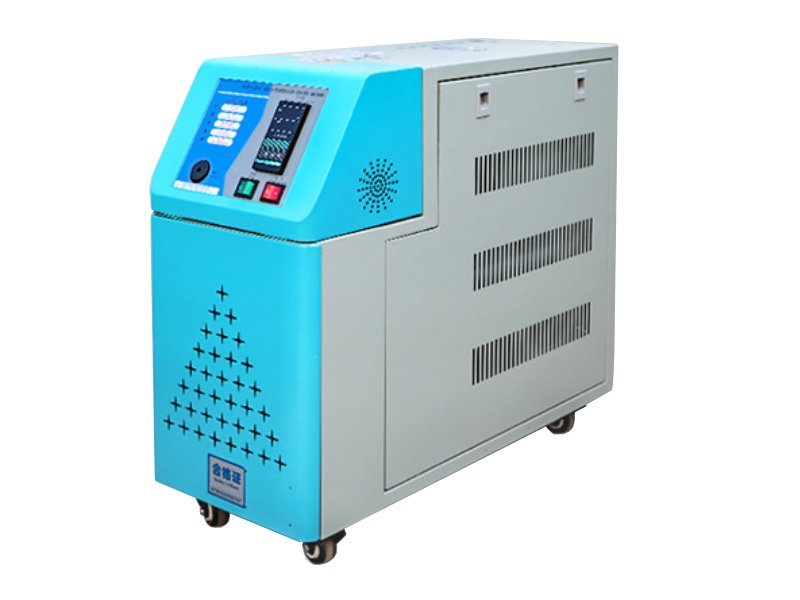
The mold temperature controller heats the pillow mold to a precise working temperature. This step is essential for promoting smooth material flow, consistent foaming, and optimal product quality.
Step 2: Release Agent Application
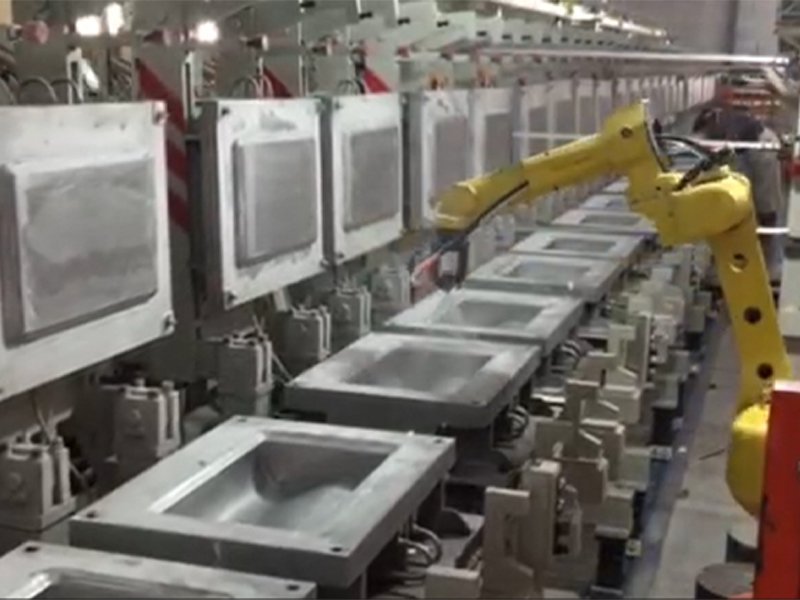
A uniform layer of release agent is sprayed onto the heated mold surface. This prevents the polyurethane foam from adhering to the mold, ensuring easy demolding and a clean, smooth finish.
Step 3: Material Injection
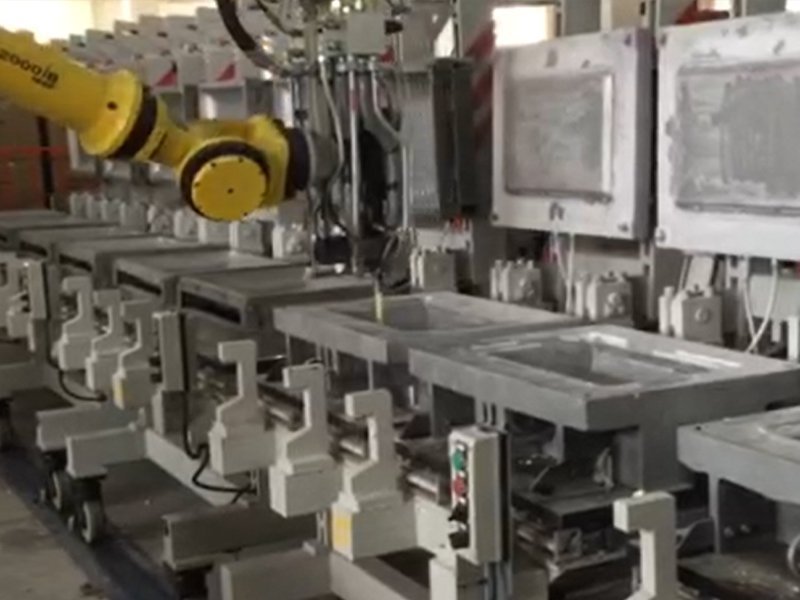
A high-pressure foaming machine accurately meters and blends the polyol (A-component) and isocyanate (B-component), then injects the mixture into the mold cavity. This guarantees uniform material distribution and high foaming quality.
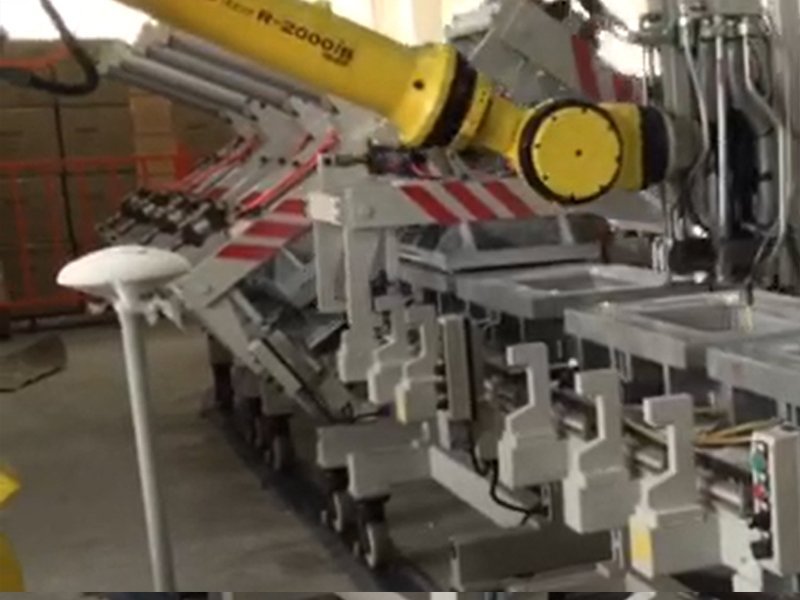
Step 4: Mold Closing & Foaming Reaction
The mold is securely closed, and the polyurethane mixture begins to expand and react inside. The material fills the cavity, taking the shape of the pillow and curing into a solid structure.
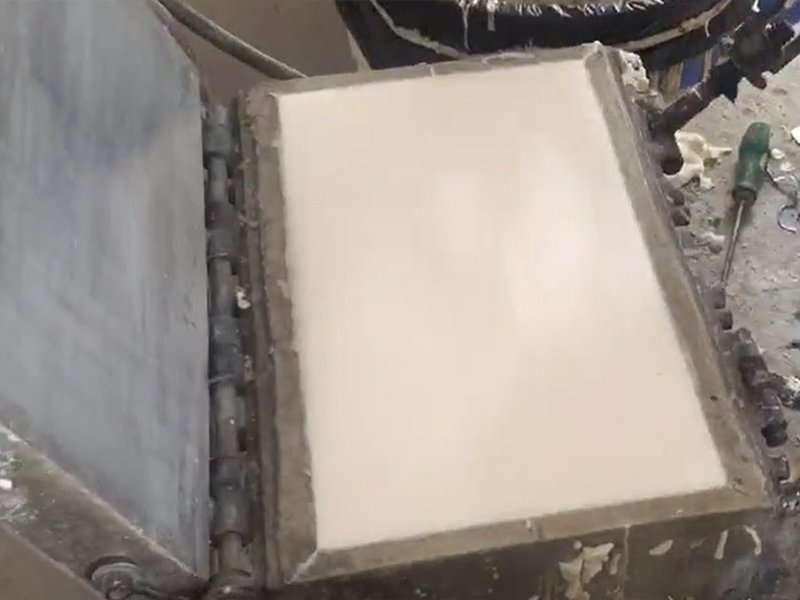
Step 5: Demolding
After the curing process is complete, the mold is opened and the formed pillow is removed. The product is now ready for subsequent operations such as trimming, inspection, or packaging.
Gel Pillow
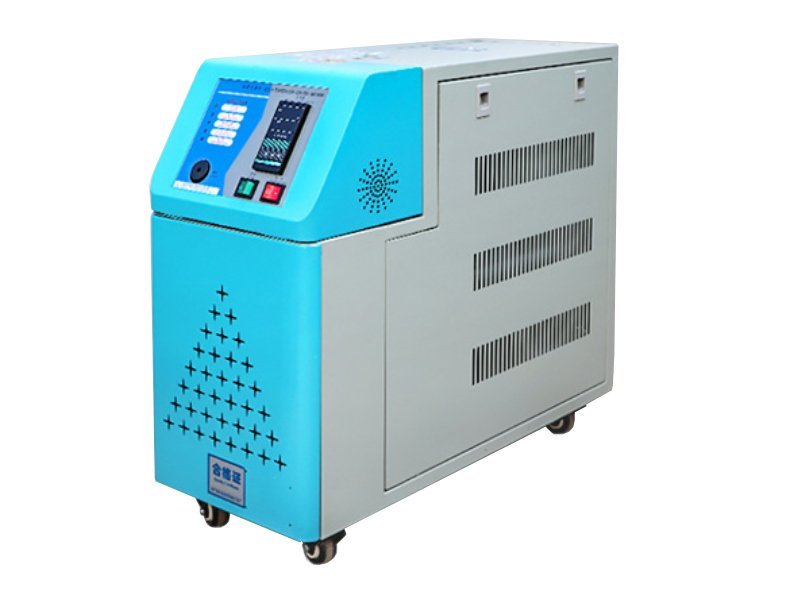
Step 1: Mold Preheating
The mold is preheated using a mold temperature controller to ensure optimal flow and foaming conditions for both gel and polyurethane materials. Stable mold temperature is essential for consistent product quality.
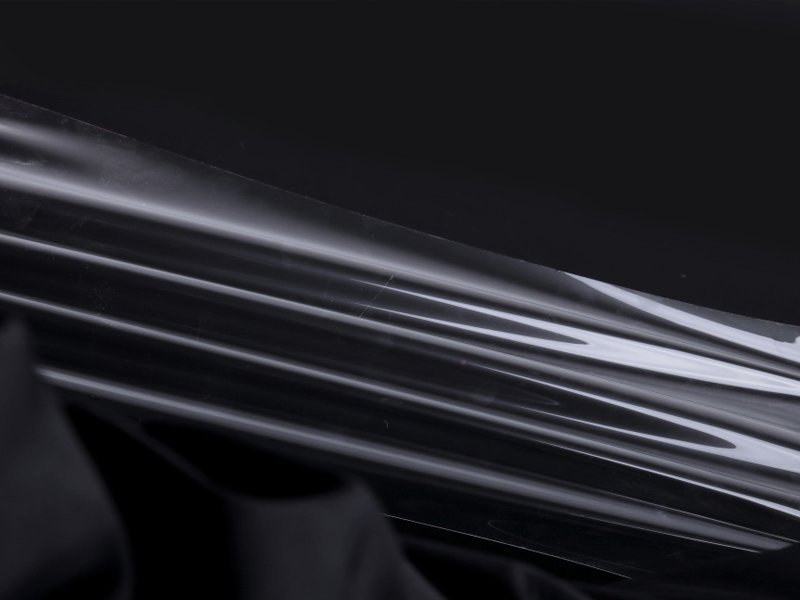
Step 2: Laying TPU Film
A layer of TPU film is carefully laid into the gel mold, conforming to the mold surface. This acts as a skin layer, enhancing the finished product’s durability, hygiene, and surface comfort.
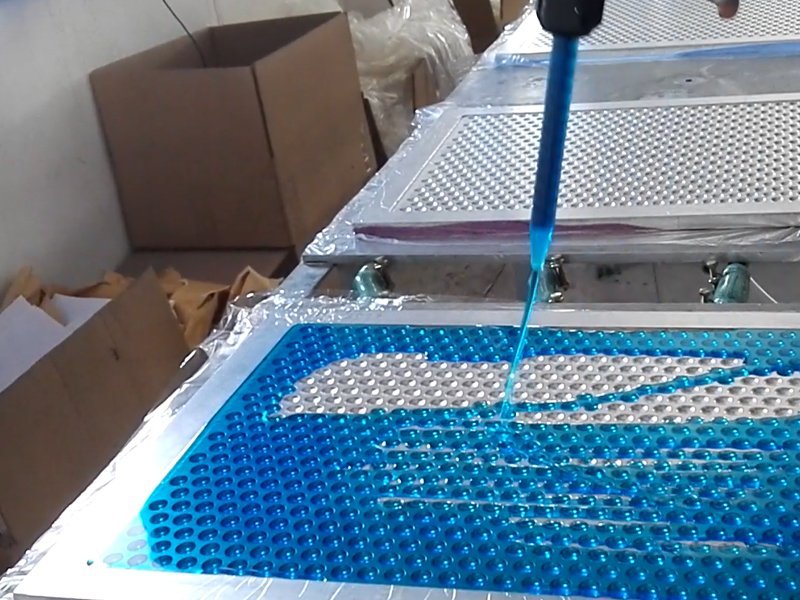
Step 3: Gel Pouring & Curing
Pre-mixed gel material is poured evenly into the TPU-lined mold. It is then left to cure, forming a stable, soft gel layer that serves as the comfort surface of the final product.
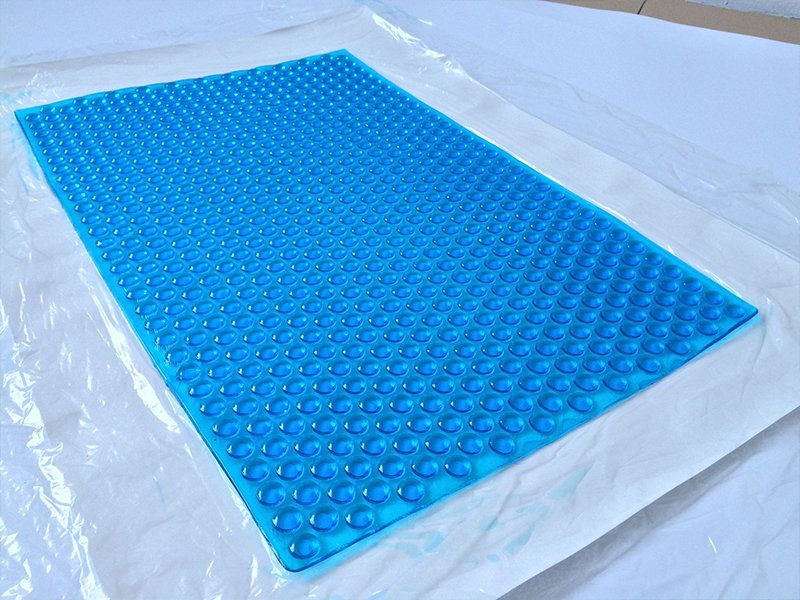
Step 4: Transfer To Main Mold
Once the gel layer has solidified, it is removed together with the TPU film and accurately positioned into the polyurethane foam mold. Proper alignment ensures tight integration with the foamed material.
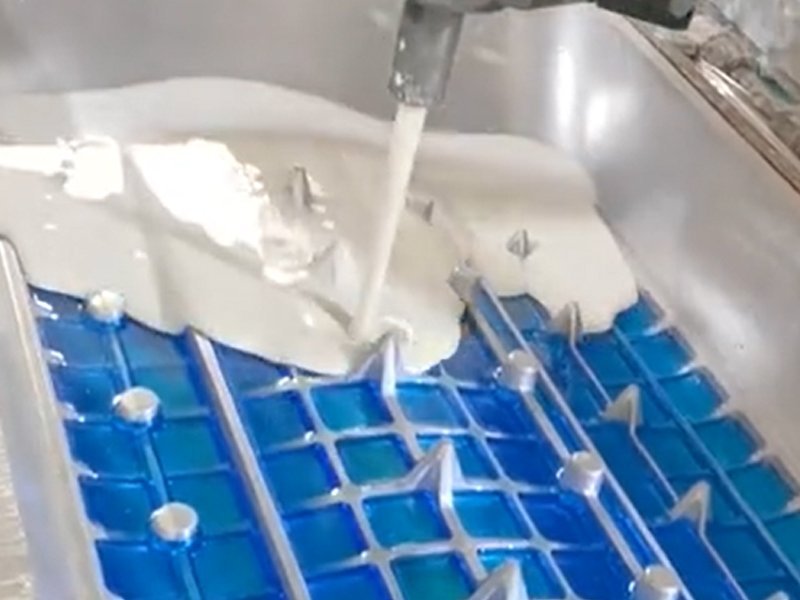
Step 5: Polyurethane Injection
A high-pressure foaming machine precisely blends and injects the polyol (A-component) and isocyanate (B-component) into the mold. This mixture fills the cavity beneath and around the gel layer.
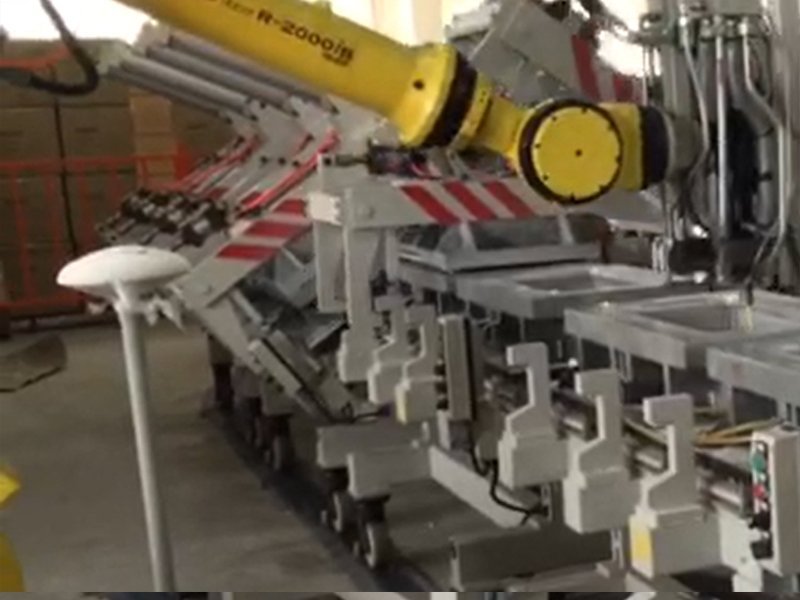
Step 6: Mold Closing & Foam Curing
The mold is closed, allowing the polyurethane to expand and bond with the gel layer. The curing process forms the full structure of the pillow or cushion, combining firmness and softness.
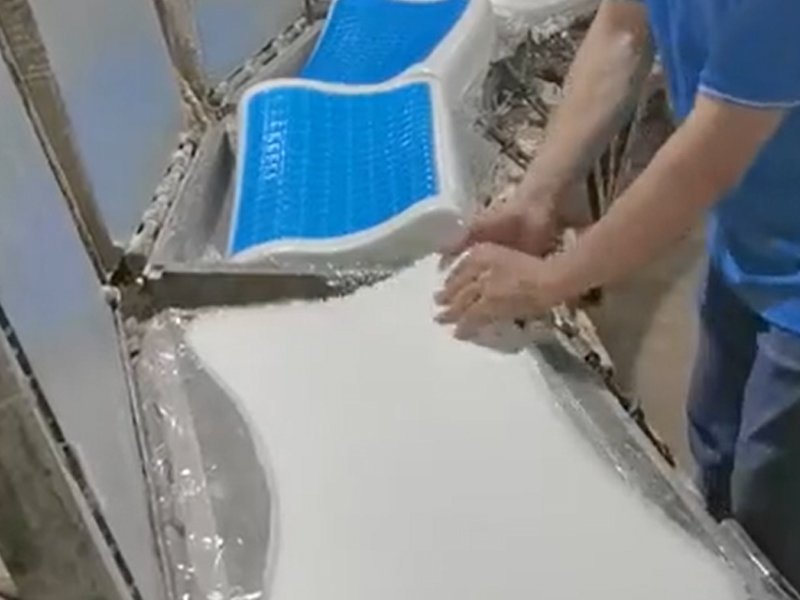
Step 7: Demolding The Finished Product
After curing, the mold is opened and the finished product is removed. At this stage, it features a soft gel surface and a supportive PU foam base—ready for trimming, inspection, and packaging.
FAQs of Memory Foam Pillow Production Line
What is the difference between a high-pressure and a low-pressure polyurethane foaming machine?
High-Pressure Foaming Machines are ideal for large-scale, high-precision production. They mix polyol and isocyanate under high pressure, resulting in faster injection cycles and more consistent foaming quality. They are suitable for mass production and automated systems.Low-Pressure Foaming Machines use mechanical mixing to combine the components at a lower pressure. They are better suited for small to medium batches, custom production, or R&D purposes.
What types of polyurethane pillow molds are available, and how do I choose the right one?
Polyurethane pillow molds come in various designs based on the desired shape and function. Common options include:Contour Molds for ergonomic pillows.Cervical Molds for neck support pillows.Travel Pillow Molds for compact, portable designs.Dual-Layer Molds for combining different foam types, like gel and memory foam.The right mold depends on the desired pillow design, production volume, and customer requirements.
How does a mold temperature controller (MTC) affect the foaming process?
The Mold Temperature Controller ensures the mold reaches and maintains an optimal temperature, improving material flow, foam expansion, and curing consistency. Proper temperature control helps avoid surface defects, ensures better foam quality, and reduces production time.
What is the purpose of the degassing machine in the polyurethane pillow production process?
The foam bubble breaker (sometimes called a foam crusher) is a post-demolding step: after the foam core is demolded, it mechanically compresses and releases the block to open closed foam cells. This crushing step stabilizes the foam, improves resilience and airflow, and reduces the risk of shrinkage or collapse before packaging.
Can the production line handle different pillow types or sizes?
Yes, many production lines, especially those with flexible molds and variable foaming machines, are designed to handle different pillow sizes and types, such as memory foam, gel foam, and ergonomic pillows. Molds and settings can be adjusted based on the specific requirements for each pillow design.
How long does the curing process take, and can it be sped up?
The curing time for polyurethane foam typically ranges from 10 minutes to 1 hour, depending on the thickness of the foam, mold temperature, and foam composition. Some lines use temperature-controlled ovens or faster curing cycles to reduce time, but a balance must be maintained to ensure foam quality.
What is the maintenance required for these machines?
Maintenance tasks vary depending on the equipment, but generally include:Regular cleaning of foaming machines to prevent blockages.Lubrication of moving parts (e.g., in molds, conveyor systems).Inspection and calibration of pressure settings on high- and low-pressure foaming machines.Checking mold temperature controllers and degassing machines for optimal function.A proactive maintenance schedule can extend the lifespan of the equipment and ensure consistent production quality.
How can I improve the product quality and reduce defects in the foaming process?
To improve product quality and minimize defects:Ensure accurate mixing of raw materials with a high-quality foaming machine.Use a temperature-controlled mold to ensure even curing and foam expansion.Employ a degassing machine to remove air bubbles that could affect the foam's consistency.Regularly maintain equipment and inspect molds for wear and tear.
Are these production lines scalable for future growth?
Yes, many polyurethane pillow production lines are scalable. You can expand by adding additional molds, increasing automation levels, or upgrading to high-pressure systems to handle larger volumes. Some systems offer modular designs, allowing you to expand capacity without major overhauls.