
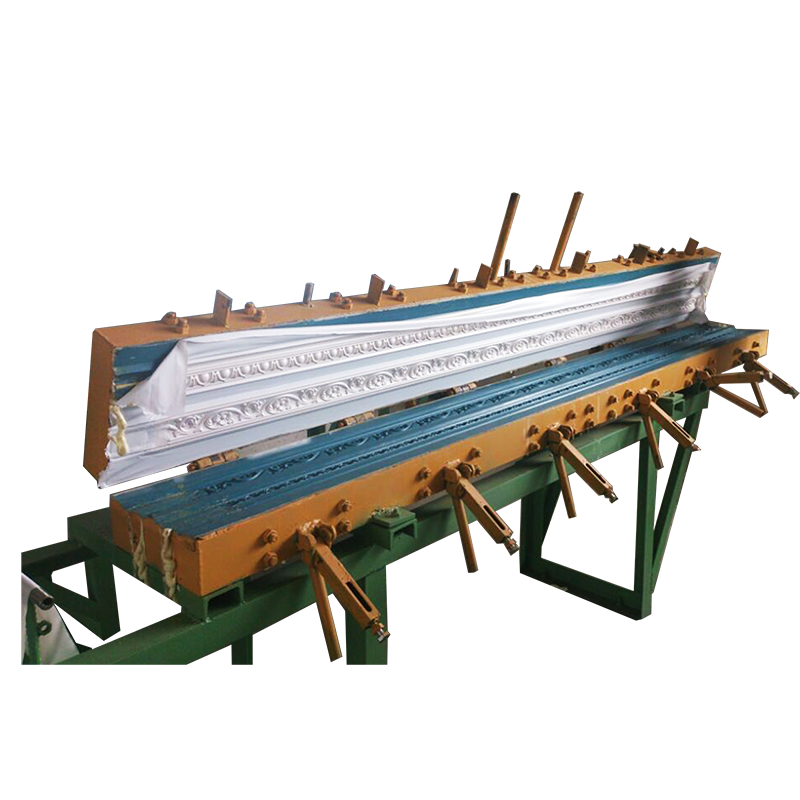
Versatility In Applications
Resin molds are highly versatile, capable of being used in a wide range of applications, from automotive parts to furniture, decorative products, and more.
Cost-Effective For Prototyping
Resin molds are particularly advantageous for prototyping and small-scale production runs because they are generally less expensive to produce compared to metal molds.
High Precision And Detail
Resin molds are capable of capturing fine details and complex geometries, ensuring that the finished polyurethane product meets exact specifications.
Excellent Surface Finish
Resin molds produce polyurethane products with smooth and glossy surfaces, making them ideal for applications that require high aesthetic quality, such as consumer goods and decorative elements.
Durability And Longevity
While resin molds may not have the same longevity as metal molds, high-quality resins can offer good durability for specific applications, allowing for multiple uses before requiring replacement.
Typical Technical Specifications Resin Molds
Property | Unit | Typical Value | Remarks |
Base Material | – | Polyurethane Resin / Epoxy Resin | Often filled with silica, fiberglass, or metal mesh |
Shore Hardness | Shore D | 65–85 | Adjustable based on required flexibility |
Tensile Strength | MPa | 25–45 | Sufficient for low-pressure PU foam casting |
Flexural Strength | MPa | 40–80 | Supports large or long molds |
Thermal Resistance | °C | 80–120 | Depending on formulation and reinforcement |
Demolding Cycles | shots | 100–3,000 | Varies by PU type, care, and coating |
Surface Finish Accuracy | µm | ≤ 10 | Excellent for replicating textures and patterns |
Typical Mold Size | mm | Up to 3000 × 1000 × 500 | Customizable for large cultural stone panels |
Reinforcement Options | – | Fiberglass mesh, metal rods, carbon fiber | For structural integrity in large molds |
Compatible Materials | – | PU Foam, Concrete, Plaster, Gypsum | Mold coating may vary for each material |
Typical Curing Time (PU) | minutes | 10–30 | Depends on foam formulation |
Weight (per mold) | kg | 5–40 | Lightweight compared to aluminum or steel molds |
Note: These are general values. Actual specifications may vary based on mold formulation and intended application.
Key Applications of Resin Molds
Resin molds are widely used in architectural decoration, especially for the production of polyurethane moldings and artificial Faux Stones. These molds are versatile, affordable, and have clear surface detail reproduction, making them ideal for beautiful custom building components.
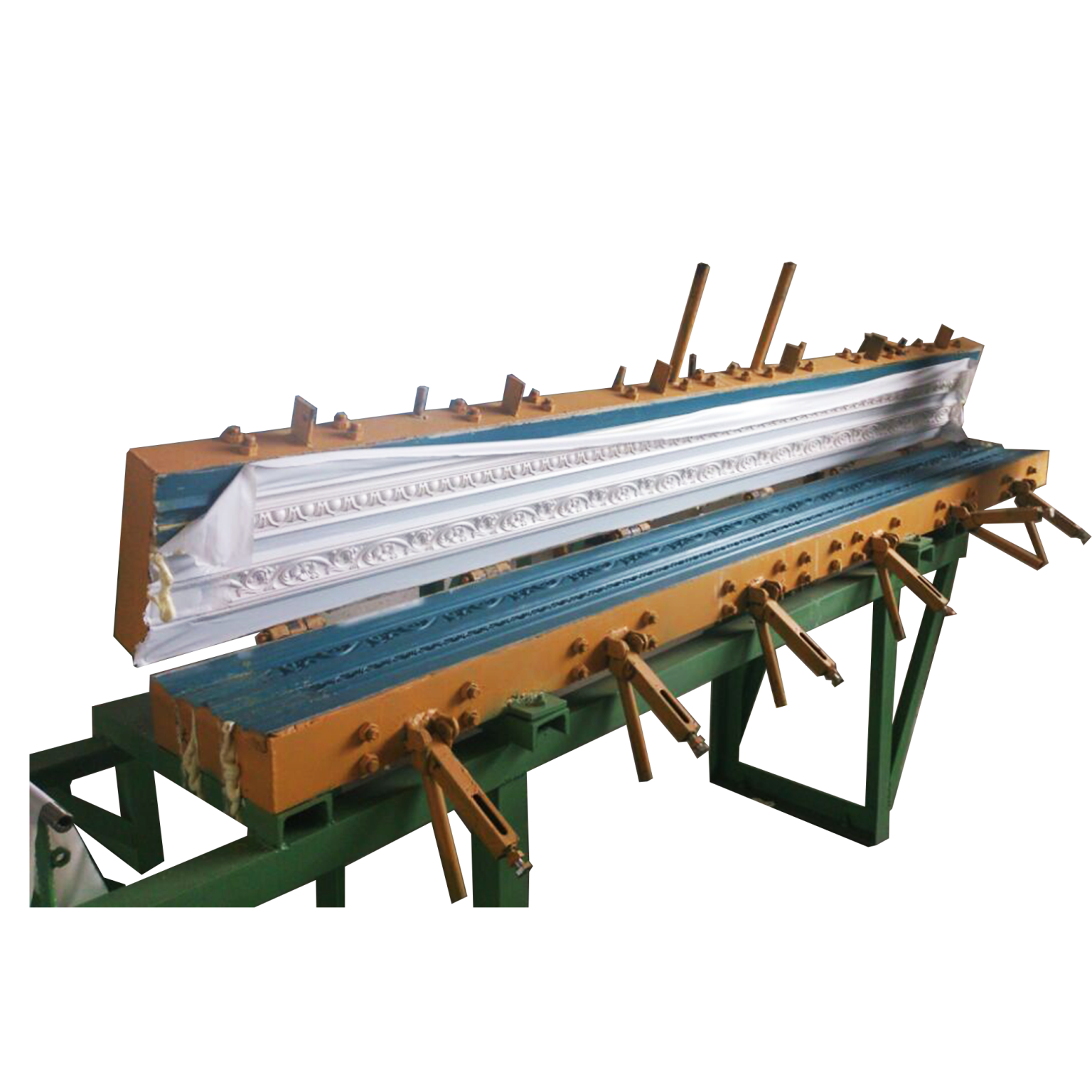
Cornice Line Molds
Resin molds are commonly used to make polyurethane decorative moldings, such as crown moldings, wall edges, ceiling moldings, and eaves. Lightweight, durable, and easy to install, these moldings can give the appearance of traditional plaster or wood, while better resisting moisture and deformation.
Resin molds suitable for this application:
- Have long linear profiles (usually more than 2 meters)
- Provide rich surface details for classical or modern designs
- Support repeated PU castings with minimal maintenance costs
- Affordable for both small-scale and mass production
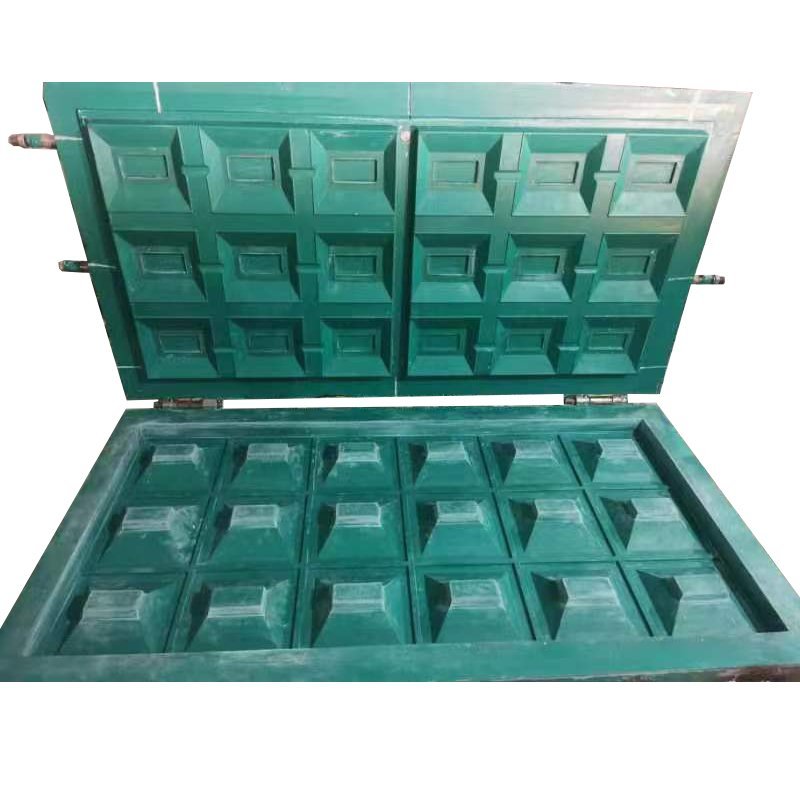
Faux Stone Molds
Faux Stones used for interior and exterior wall decoration are usually cast using silicone-reinforced resin molds. These molds can capture the natural texture of real stone, brick, or slate, while being easy to demold and highly efficient in production.
Advantages of using resin molds to make cultural stones:
- High-precision replication of natural stone surfaces
- Flexible mold body reduces breakage during demoulding
- Resistant to curing heat and chemical attack from polyurethane or concrete
- Suitable for large-area wall cladding, fireplaces, exterior walls and landscaping
FAQs of Resin Molds
What are resin molds made of?
Most resin molds are made from polyurethane or epoxy resin, often reinforced with fiberglass, silica, or metal mesh to improve strength and durability.
What are resin molds typically used for?
They are commonly used for casting polyurethane decorative trims, artificial cultural stones, concrete panels, and other custom-molded products where high surface detail and short production runs are required.
How long do resin molds last?
Depending on the material, coating, and usage, resin molds typically last between 100 to 3,000 molding cycles. Proper handling and regular mold release application can extend lifespan.
Can resin molds handle high temperatures?
Yes, high-performance resin molds can withstand temperatures up to 100–120°C, which is suitable for most PU foam curing processes.
Are resin molds flexible?
Some resin molds (especially those for cultural stone) are semi-flexible to help with easy demolding and reducing the risk of cracking or chipping during part removal.
How do I maintain a resin mold?
Clean regularly with mild solvents, store in a dry, flat area away from direct sunlight, and apply mold release agents before each casting to prevent sticking and wear.
What’s the benefit of using resin molds over metal molds?
Resin molds are more affordable, quicker to manufacture, and lighter in weight—ideal for prototyping, decorative items, and small to medium production volumes.
Can resin molds be customized for complex shapes?
Absolutely. Resin molds can be cast from master models with intricate details, including textures, logos, and complex contours. They are highly adaptable for artistic and architectural designs.