
Why is polyurethane suitable for stress ball manufacturing?
Polyurethane (PU) is widely used in the manufacture of various ball products due to its excellent flexibility, wear resistance, tear resistance and adjustable elasticity, such as stress balls, toy balls, rehabilitation therapy balls, pressure relief balls, pet balls, etc. Compared with traditional rubber or plastic materials, PU ball products have better texture, are environmentally friendly and non-toxic, are not easy to deform, and are safer and more comfortable to use.
Circular Operation
The mold operates in a circular manner, with a stable production rhythm, suitable for batch continuous production.
One Mold With Multiple Cavities
Each mold can form multiple spheres at a time, saving time, improving efficiency and increasing production capacity.
Constant Temperature Control Mold
The mold temperature controller ensures balanced temperature, stable molding, and avoids shrinkage and deformation problems.
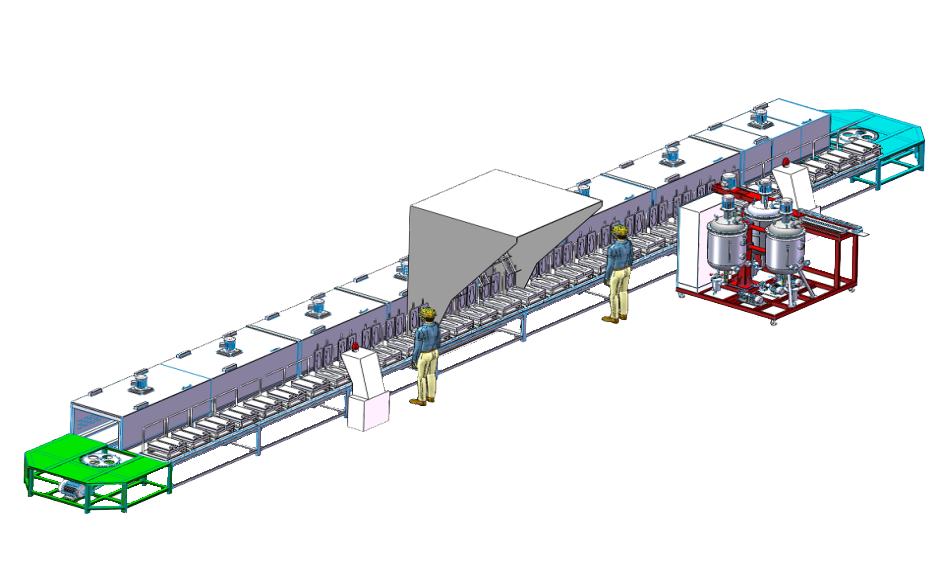
Pu Stress Ball Production Line
Our polyurethane stress ball production line adopts a circular layout design, the mold moves cyclically along the track, the workstations are reasonably distributed, the structure is compact, and the floor space is small, which is particularly suitable for medium-scale and above continuous production needs. The production line is mainly composed of a raw material feeding system, a high-pressure foaming machine, an automatic injection station, a circular conveying mold frame, a mold constant temperature system, an automatic mold opening and closing device, a demoulding and cooling area, and optional automatic trimming, surface printing or transfer devices.
Work Process of Pu Stress Ball Production Line
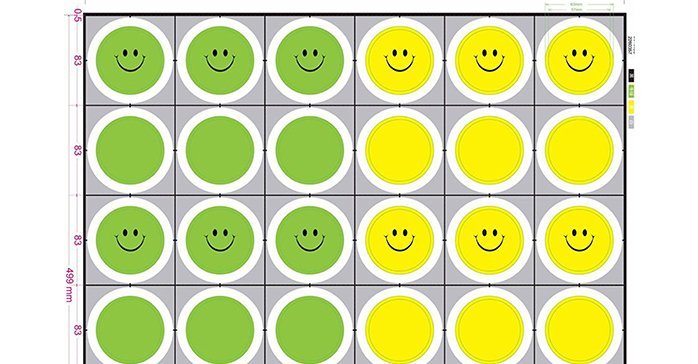
Step 1: Final Design And PVC Film Preparation
Review the final product design and determine the specifications for the PVC film, including size, thickness, and pattern. Ensure that the PVC film design meets the production requirements for the desired product.
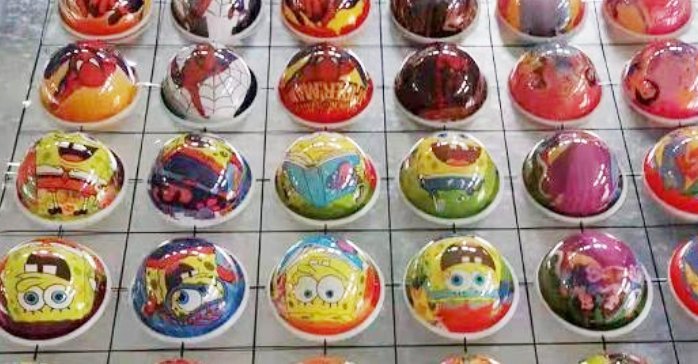
Step 2: Film Suction
Place the PVC film onto the blister machine. Use the machine to form the PVC film into a ball shape, ensuring the surface is smooth and bubble-free for optimal results.
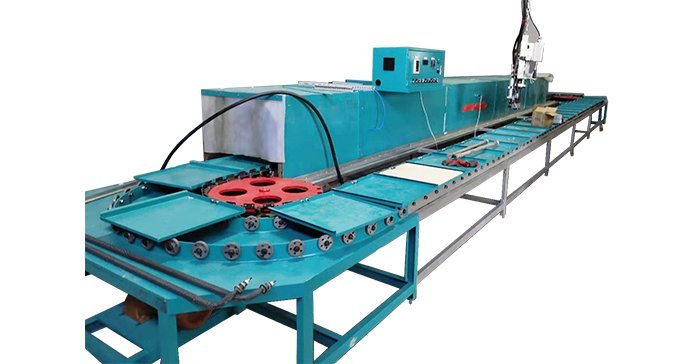
Step 3: Setup Production Line
Activate the production line and set the foaming machine. The temperature is set around 40°C, ensuring that the line is longer than 19 meters for efficient processing.
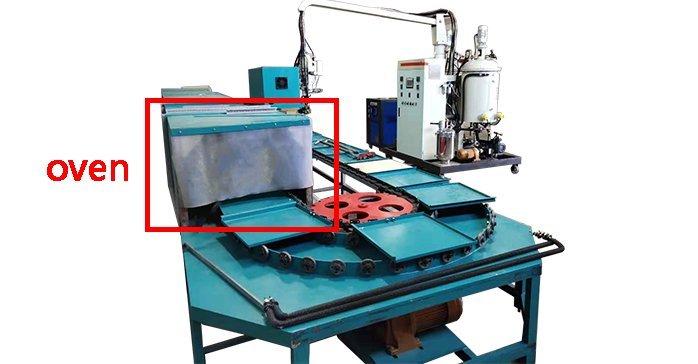
Step 4: Mold Heating
Preheat the molds in an oven. The heating ensures that the raw materials injected later will foam properly inside the mold, ensuring consistency and optimal curing.
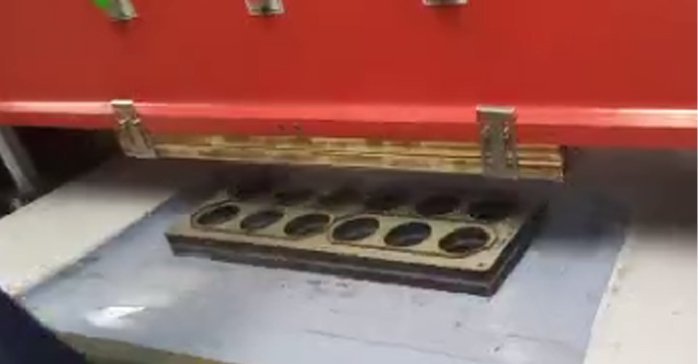
Step 5: PVC Film Cutting
Cut the PVC film into the required shapes and sizes using either a PVC cutting machine or manual cutting, ensuring precision in each piece.
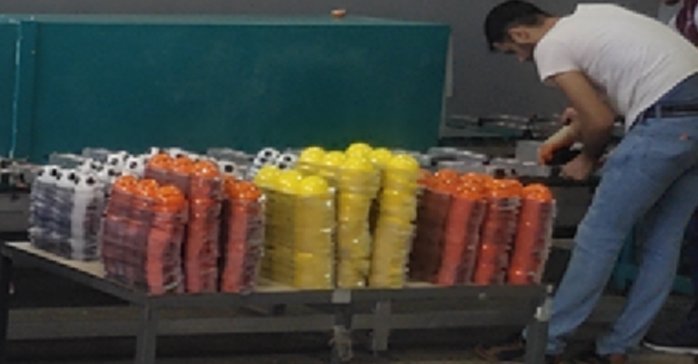
Step 6: Insert PVC Film Into Molds
Carefully place the cut PVC film into the molds. Ensure it fits snugly and evenly inside the mold to prevent any wrinkles or uneven surfaces.
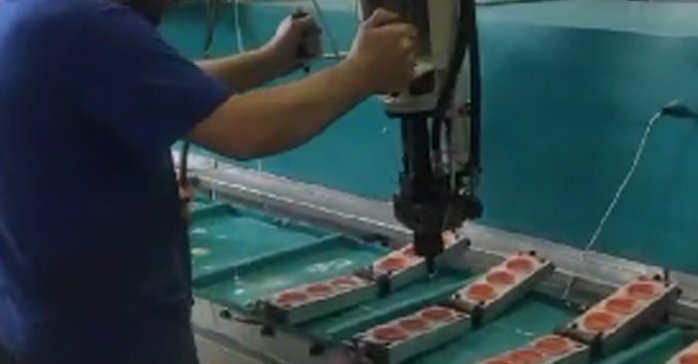
Step 7: PU Material Injection
Inject the polyurethane (PU) material into the molds. The material is injected under controlled pressure to ensure even distribution and proper foaming inside the mold.
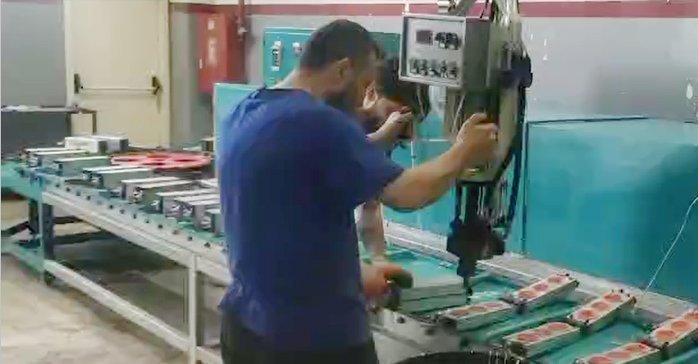
Step 8: Mold Closing And Shaking
Close the molds securely and shake them 360° to ensure the PU material evenly fills the mold, allowing for uniform expansion and foaming.
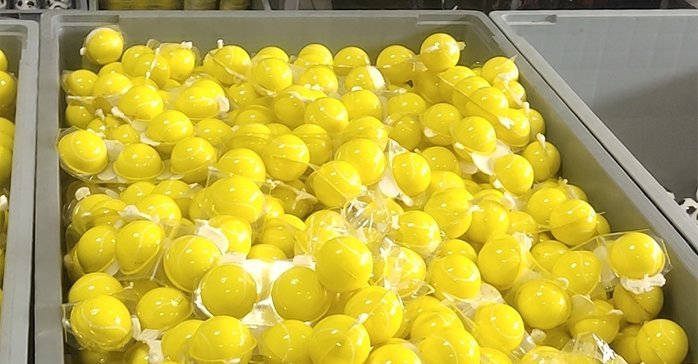
Step 9: Demolding And Transfer
After the foaming process is complete, carefully remove the formed balls from the molds and transfer them into designated containing boxes for further processing.
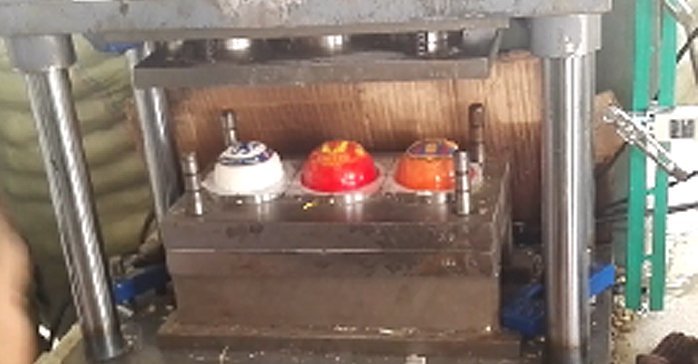
Step 10: Trimming
Use a trimming machine to remove any excess material or rough edges from the balls, ensuring a smooth and polished finish.
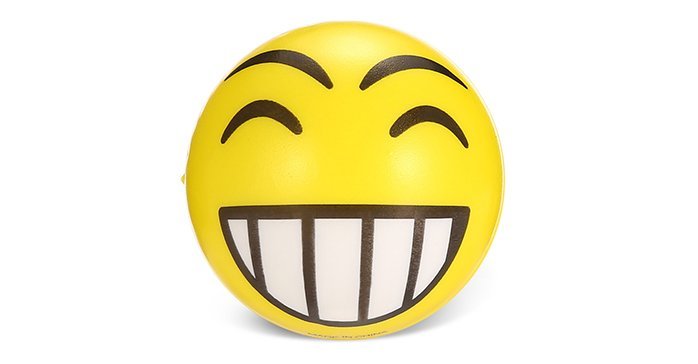
Step 11: PVC Film Peeling
Carefully peel the PVC film away from the polyurethane part of the ball. This step ensures that the foam is clean and ready for packaging.
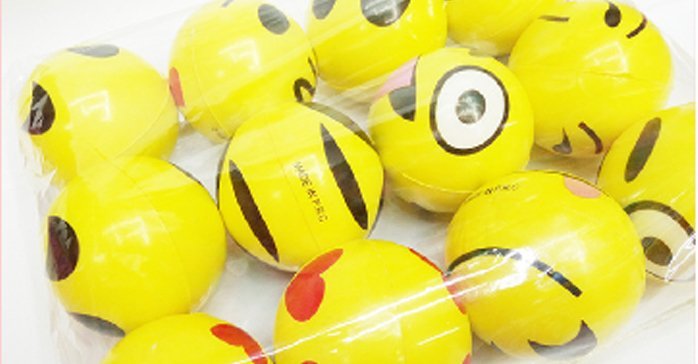
Step 12: Packaging
Once the balls are properly trimmed and the PVC film is removed, package them securely for shipment or storage, ensuring they are protected during handling and transportation.
Components of Pu Stress Ball Production Line
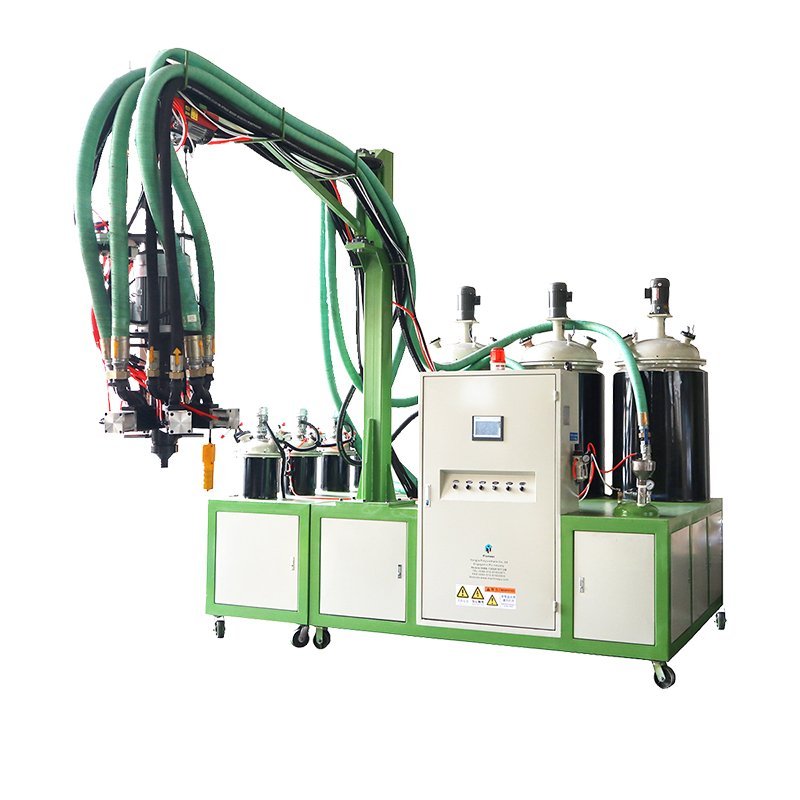
Low Pressure Foam Machine
The low-pressure foaming machine has a simple structure and flexible operation, and is suitable for the manufacturing of PU pressure balls in the start-up phase or in small batches. The raw material injection is completed through a static mixing head. Although the mixing uniformity is slightly lower than that of a high-pressure machine, it has a lower cost and is easy to maintain. It is suitable for product lines that do not require extreme foam structure and pursue cost control. It is especially suitable for ball products such as toy balls and advertising balls that have moderate elasticity requirements.
Request a Quote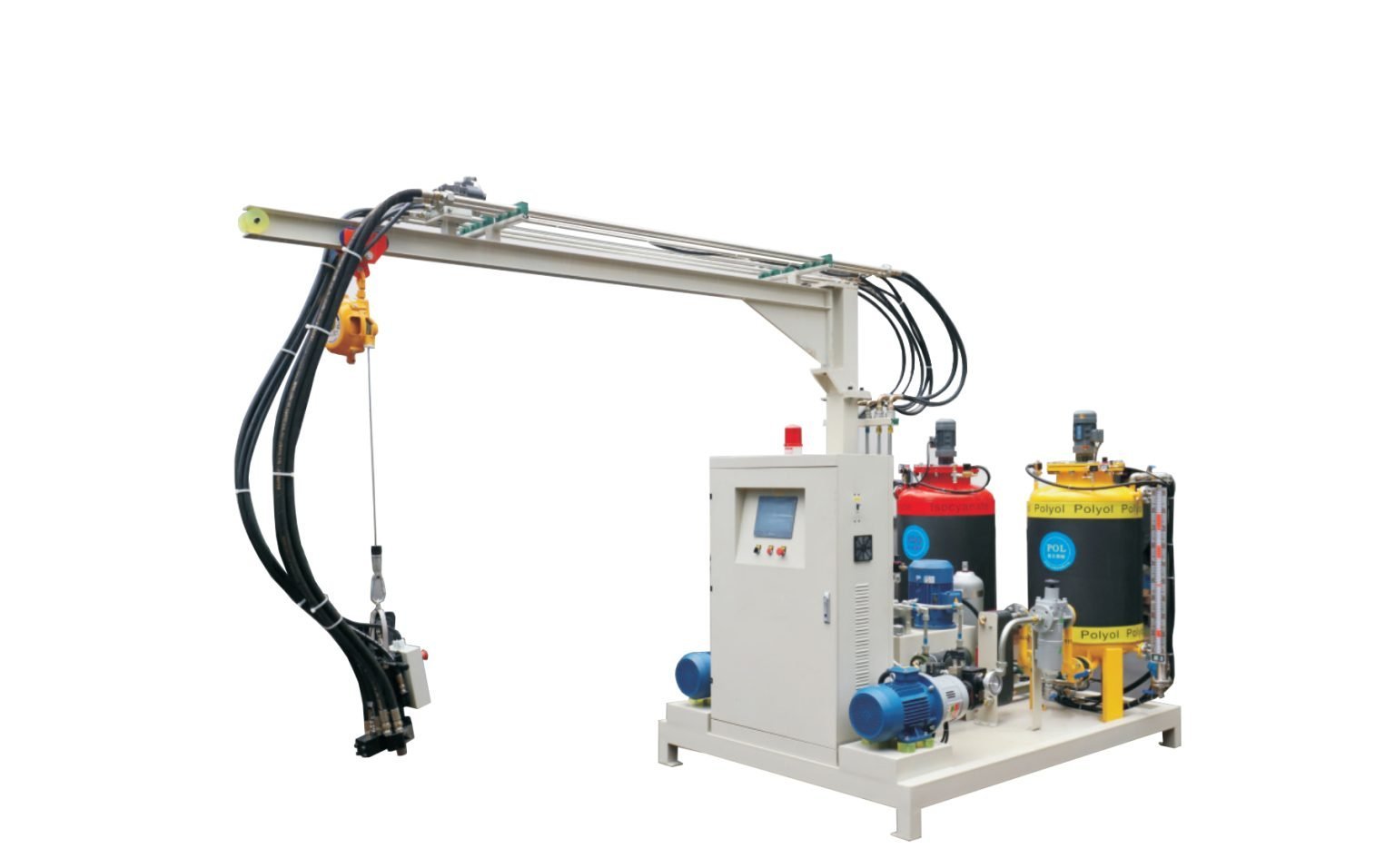
High Pressure Foam Machine
The high-pressure foaming machine achieves full emulsification and uniform reaction of raw materials through dynamic high-speed mixing, and is an ideal choice for products with high requirements for ball elasticity and resilience. In the production of pressure balls, the high-pressure machine can ensure the precise proportion of each mold injection material, uniform pores, and consistent density, making the surface of the finished ball smoother and more delicate, while significantly reducing the frequency of residual materials and maintenance, and is suitable for the continuous and high-quality manufacturing of mid-to-high-end pressure balls.
Request a Quote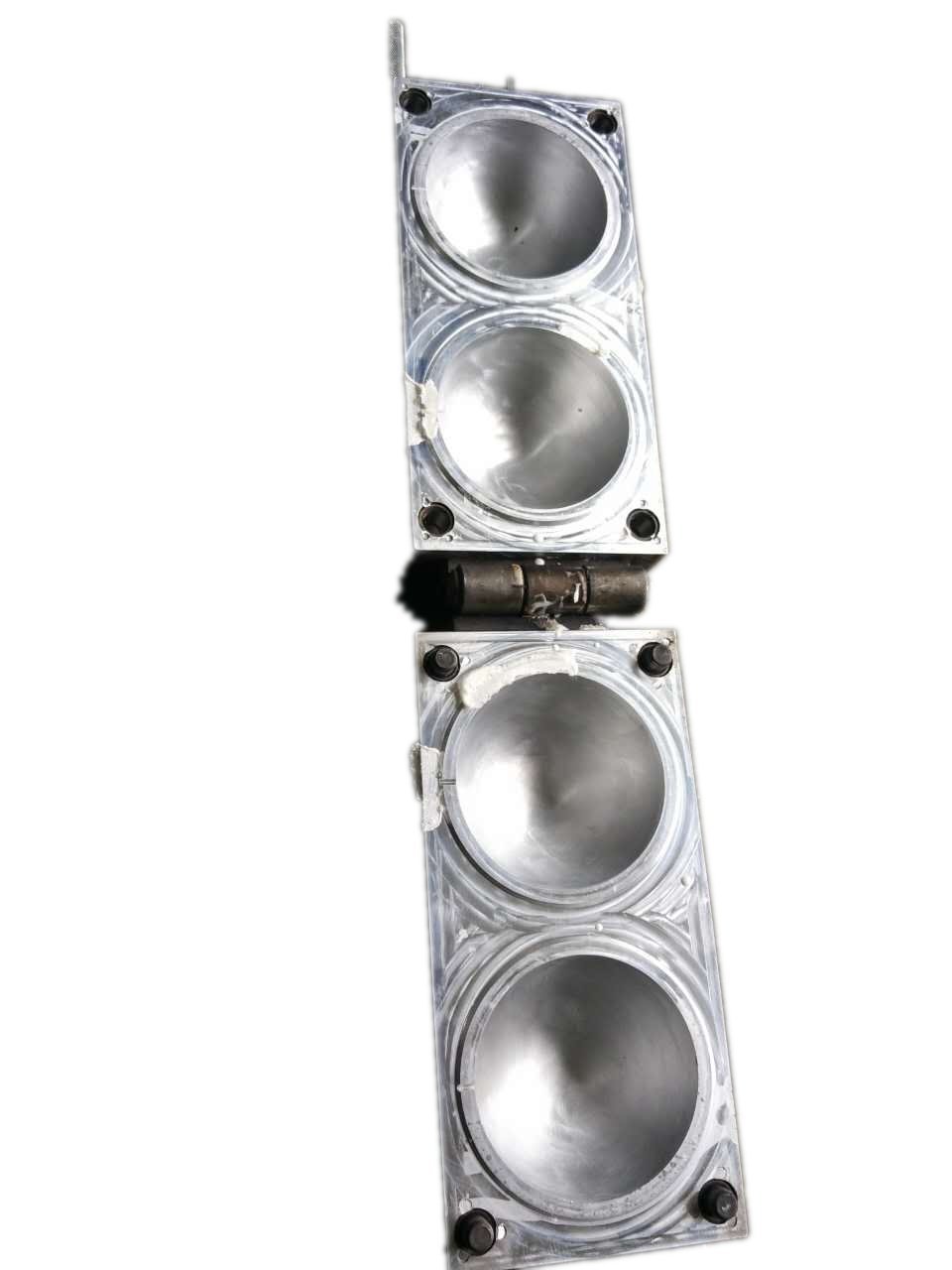
PU Mold
The polyurethane pressure ball mold is an efficient and customized mold solution, which is particularly suitable for the medium and large-scale production of polyurethane foam pressure balls. The mold is made of high-strength aluminum alloy. Combined with precision CNC machining technology, it can realize the design of one mold with multiple cavities and one mold with multiple balls, greatly improving production efficiency, reducing unit costs, and adapting to various types of polyurethane foaming machines.
Advantages:
- One mold with multiple balls design
- Lightweight and high-strength aluminum alloy structure
- One-piece mold molding, precise positioning
- Support personalized customization
- Efficient demoulding structure
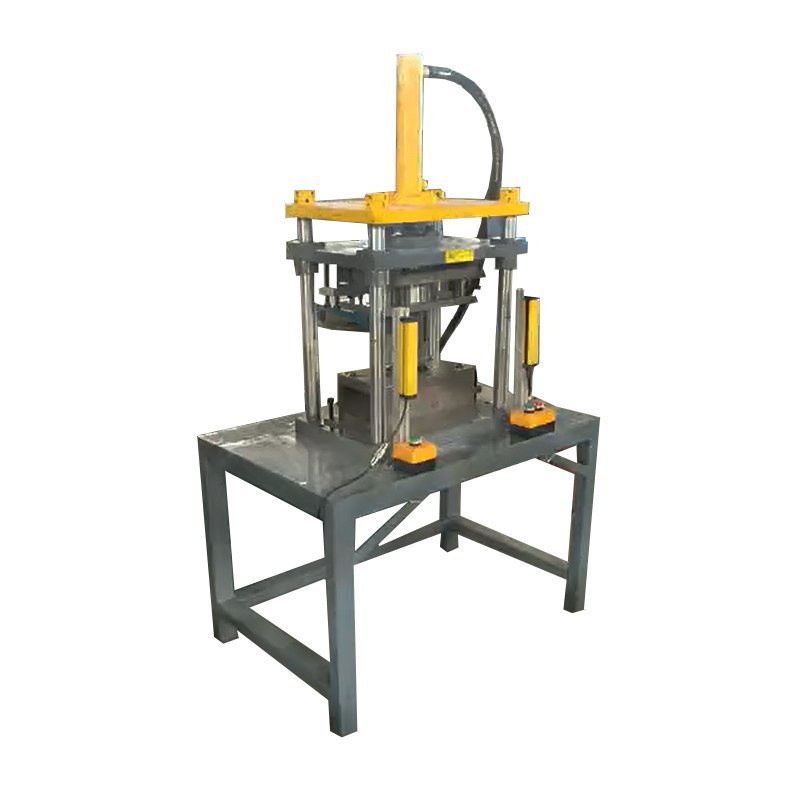
PVC Film Cutting Machine
The PVC Film Cutting Machine is designed to cut PVC film into specified sizes and shapes for use in various applications, such as molding, packaging, and other manufacturing processes.
Advantages:
- Precision:Delivers highly accurate cuts, ensuring that the PVC film fits perfectly into the molds or production fixtures.
- Speed:The machine can process large amounts of PVC film rapidly, improving overall production efficiency.
- Flexibility:Capable of handling various types of PVC film, including films with different thicknesses, colors, or finishes, making it adaptable to different production processes
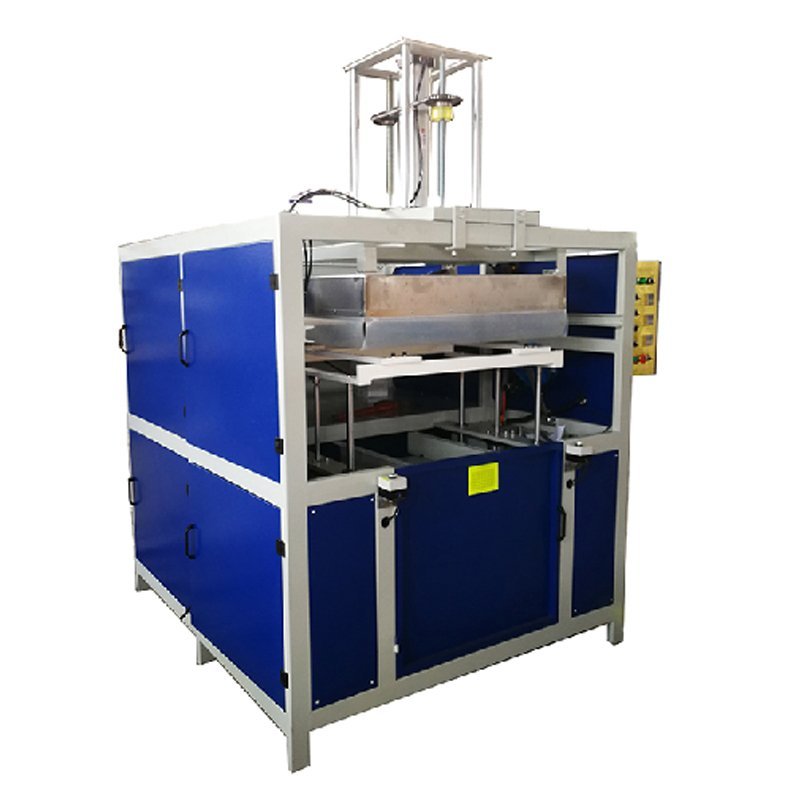
PVC Film Suction Machine
The PVC Film Suction Machine is a crucial device in the production of products like balls, gaskets, and other molded items that require PVC film. The machine uses suction to pull PVC film into molds, ensuring a smooth, bubble-free surface for the final product.
Advantages:
- Consistency:Ensures uniform coverage of the mold with PVC film, improving the quality of the final product.
- Efficiency:The suction process is fast and precise, reducing production time.
- Versatility:The machine can handle various thicknesses and sizes of PVC film, making it adaptable to different production needs.
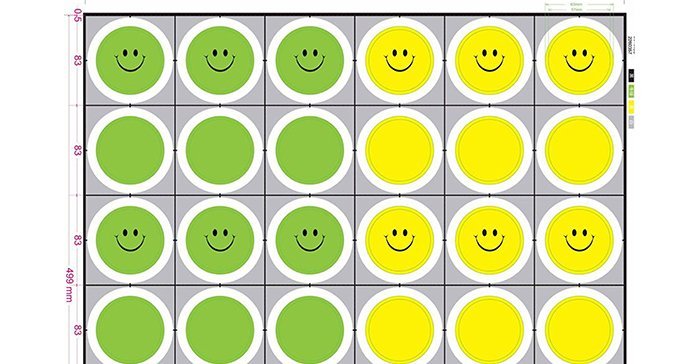
PVC Film
2layers: PVC + PE
Thickness:
Ball dia < 20cm:0.08mm
Ball dia ≥ 20cm:0.11mm
|
DIA(cm) |
1roll |
ball Q’ty(pcs/roll) |
film Q’ty(pcs/roll) |
|
6.3 |
1roll(65kg) |
28000 |
1550 |
|
7/7.6 |
1roll(65kg) |
26000 |
1450 |
|
10/10.3 |
1roll(65kg) |
12800 |
1600 |
|
12 |
1roll(65kg) |
12000 |
1500 |
|
15 |
1roll(65kg) |
7200 |
1200 |
|
Length: 850~900m/roll |
|||
FAQs of Pu Stress Ball Production Line
What is the difference between high-pressure and low-pressure foam machines?
Answer: High-pressure foam machines inject polyurethane materials at higher pressures (typically above 40 bar), resulting in more uniform and denser foam. Low-pressure foam machines operate at lower pressures (below 20 bar), making them ideal for lighter foams and more flexible applications. The choice depends on the foam density required and production speed.
How do I choose the right mold for my PU ball production?
Answer: The right mold depends on the size, shape, and specific requirements of the product. For PU balls, molds must be durable, able to withstand high pressures and temperatures, and have smooth surfaces to avoid defects during demolding.
What is the role of the PVC Film Suction Machine in production?
Answer: The PVC Film Suction Machine ensures that the PVC film is perfectly fitted into molds without wrinkles or air bubbles. The suction system pulls the film tightly over the mold, providing a smooth surface that is essential for the quality of the final product.
How long does it take for the polyurethane material to cure in the mold?
Answer: The curing time varies depending on the type of polyurethane used and the temperature conditions. Typically, it takes a few minutes to several hours for the material to fully cure and form the desired shape, but it can be accelerated with mold heating systems.
What maintenance is required for a PU foam machine?
Answer: Regular maintenance includes checking and cleaning the mixing head, inspecting seals and gaskets, ensuring the injection system is functioning properly, and performing periodic oil changes for the pumps. Proper maintenance ensures the longevity of the machine and consistent product quality.
Can I use the same equipment for different product types (e.g., PU balls and other molded items)?
Answer: Yes, with some adjustments and depending on the complexity of the product, the equipment can be versatile enough for different types of molded products. However, certain specialized equipment like molds or machines may be better suited for specific products.
How do I ensure that the PVC film is properly cut for my production needs?
Answer: The PVC Film Cutting Machine should be calibrated to your specific film dimensions. Regular inspections and adjustments to the blade alignment and cutting settings will ensure that the film is cut to precise specifications for optimal molding.
What are the advantages of using a high-pressure polyurethane foaming machine over a low-pressure one?
Answer: High-pressure machines provide more uniform material mixing, faster production speeds, and denser foams, making them ideal for large-scale production of products that require higher quality and consistency. Low-pressure machines are more energy-efficient and suited for less demanding applications where foam density is not as critical.
How do I store polyurethane raw materials properly?
Answer: Polyurethane raw materials should be stored in a cool, dry place away from direct sunlight and sources of moisture. Both polyol and isocyanate should be kept in sealed containers and handled according to safety guidelines to prevent degradation or contamination.
What are the benefits of using PVC film in the production of molded items?
Answer: PVC film is used to create smooth, durable surfaces in molded products. It also provides aesthetic appeal and enhances the product’s functionality, such as preventing sticking during molding, improving the finish, and ensuring easier demolding.
How can I improve the demolding process for polyurethane products?
Answer: Using high-quality molds with smooth surfaces, applying release agents, and maintaining the proper temperature can all help improve the demolding process. Regular mold maintenance and proper curing times also ensure smooth and easy demolding without damaging the final product.
Is it necessary to use a trimming machine for PU ball production?
Answer: Yes, a trimming machine is essential for ensuring the final product has clean edges and is free of excess material. This improves the overall appearance and quality of the product, ensuring it meets customer standards.