
Yongjia · Polyurethane Equipment

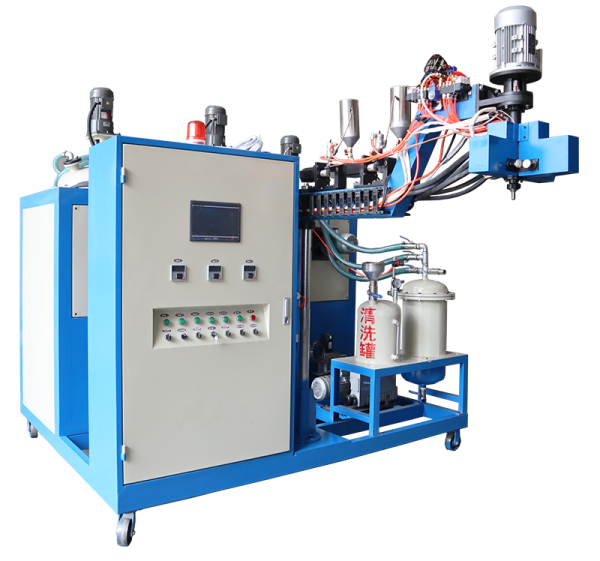
Polyurethane Elastomer Casting Machine

Elastomer casting equipment is configured around the actual MDI- or TDI-based system, processing temperature, viscosity, degassing need and finished-part quality requirements.

  • PU wheels and rollers
  • Screen panels and wear parts
  • Industrial seals and molded elastomers
  • Custom cast polyurethane components
Get a Quote

Casting system selection

Match the Metering System to the Elastomer and Casting Process

A useful casting-machine specification starts with the actual MDI or TDI system, processing temperature, viscosity, discharge demand and finished-part quality requirements. Accessories and service scope should then be quoted against those inputs.

Material system

MDI or TDI formulation, component count, mix ratio, viscosity, processing temperature, fillers and moisture-control requirements.

Casting demand

Part weight, batch or continuous demand, discharge range, hardness, color changes and required repeatability.

Process scope

Day tanks, heating, vacuum, pigment dosing, molds, ovens, worktables, cleaning method and downstream handling.

Information needed to size the system

  • Material technical data and mixing ratio
  • Part drawing, weight, hardness and color count
  • Required output, batch size and working hours
  • Vacuum, heating, molds, oven and factory utilities

What the first engineering reply should cover

  • Suitable discharge-range and tank configuration
  • Metering, mixing and temperature-control concept
  • Required accessories and scope boundary
  • Commercial terms to confirm in the formal quotation

Project qualification

Send the application, target output and factory conditions. The form keeps this page as the source so the request reaches sales with its equipment context.

Request a Configuration Review

A formal quotation follows after the technical scope is confirmed.

Where This Equipment or Process Fits

The final configuration is matched to the finished product, material system and production target. The application list below is a routing guide, not a claim that one standard configuration covers every process.

  • PU wheels and rollers
  • Screen panels and wear parts
  • Industrial seals and molded elastomers
  • Custom cast polyurethane components

Production Process

  1. Review the material TDS and processing window.
  2. Condition, meter and degas the compatible components.
  3. Mix and cast into a prepared mold.
  4. Control curing and post-curing according to the validated formulation.

Technical Information to Confirm

ItemWhat must be confirmed
ChemistryIdentify the MDI- or TDI-based system and supplier data.
ComponentsBase components, color paste and additives; five-plus color paths are optional, not universal.
TemperatureTank, line and head ranges required by the formulation.
ViscosityMinimum and maximum at the processing temperature.
VacuumDegassing capacity and vessel scope where required.
AccessoriesList ovens, worktables, vacuum hardware and cleaning systems separately.

Scope, Evidence and Acceptance

Hardness, elasticity, wear resistance and bubble control depend on the formulation and process. They are not guaranteed by the casting machine alone.

Before order, the proposal should identify the selected model or system, included and excluded equipment, utilities, buyer responsibilities, test material, acceptance criteria, documentation and service scope. Values without a model, unit or condition are not used as purchasing guarantees.

Send the product drawing, material data and target output for an engineering configuration review.

Request Configuration

Related Equipment and Next Steps

Interested in this equipment?

Get specifications, pricing and lead time from Yongjia's engineers.

Request a Quote