
In the refrigerator production process, mold temperature control is directly related to the foaming effect and product quality. If the mold temperature is not properly controlled, problems such as uneven foaming, surface defects, and deformation are likely to occur. This article will systematically analyze how to achieve stable control of mold temperature from four aspects: cooling system design, temperature control technology, material technology, and daily maintenance, and provide effective adjustment methods for poor foaming.
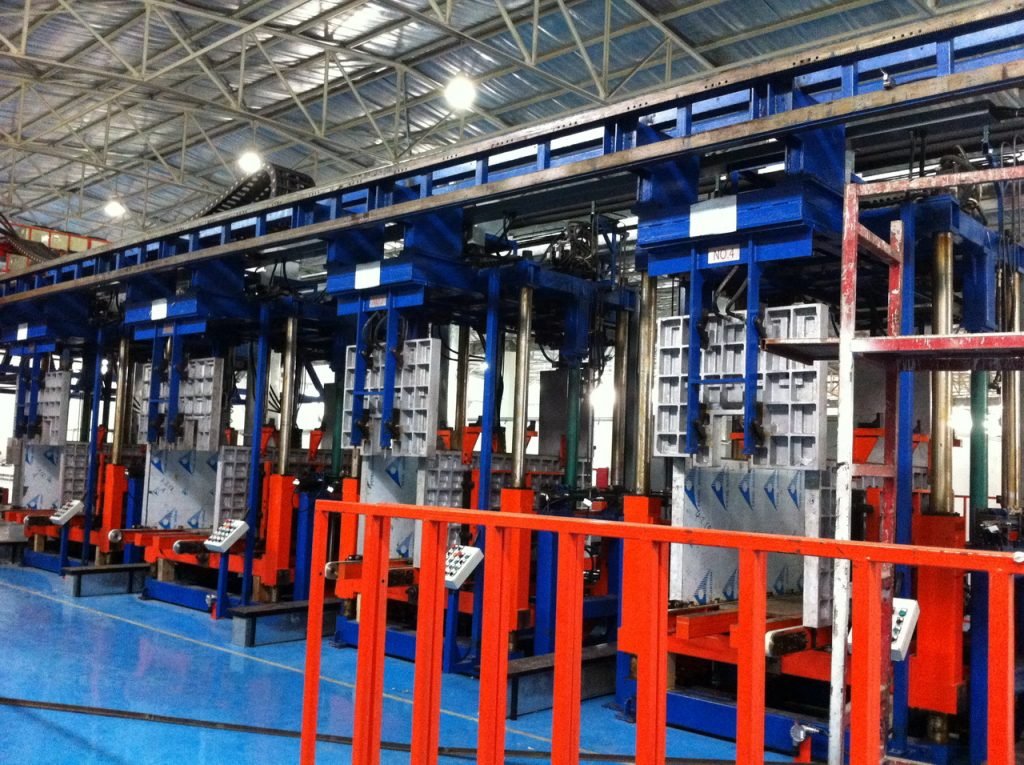
1. Optimize the cooling system to achieve temperature balance
1. Cooling water channel design
Reasonable cooling channel layout is the basis for achieving mold temperature balance. It is recommended to use parallel or grid cooling channels to ensure uniform heat conduction in the cavity and core areas. For heat dissipation dead corners such as ribs and corners in the mold, auxiliary water channels or special-shaped flow channels need to be designed to avoid local overheating.
2. Cooling flow control
By configuring flow control valves and temperature sensors at key locations of the mold, temperature changes can be monitored in real time and the flow of cooling medium can be adjusted dynamically. For heat-concentrated areas such as edges and corners, the cooling water flow rate can be appropriately increased to prevent local overcooling or overheating.
3. Mould materials and processing technology
It is preferred to use materials with good thermal conductivity (such as cast aluminum alloy) to make the mold, and improve the processing accuracy to ensure that the water channels are uniform in size and have good sealing, so as to avoid mold temperature deviation due to local uneven heat conduction.
4. Introducing dynamic temperature control technology
Applying a fast mold temperature adjustment system (such as an inductive heating + cooling all-in-one machine) to increase the mold temperature at the initial stage of injection helps improve fluidity; quickly switching to low temperature during the pressure holding and curing stages shortens the cooling time and optimizes the cell structure. This dynamic temperature control method can effectively reduce surface defects and uneven internal stress.
2. Common causes and countermeasures of poor foaming problems
Mold temperature fluctuation is the key factor that causes poor foaming. Common manifestations include large and dense cells, poor interlayer adhesion, and insufficient foaming at corners. It is recommended to make adjustments in the following aspects:
1. Optimization of raw materials and mixing process
- Prolong the mixing time : Use a twin-screw extruder or internal mixer to extend the mixing time to 15-20 minutes to ensure that the foaming agent and polyol are fully and evenly mixed.
- Pre-drying treatment : dry the raw materials for 80 hours before foaming, and control the humidity in the workshop below 50% to prevent the additives from absorbing moisture and forming steam holes.
- Add dispersant : Introduce dispersants such as silane coupling agents and surfactants to improve the distribution uniformity of fillers such as zinc oxide in the system and enhance the overall thermal conductivity.
2. Foaming rate adjustment
Bridging agent control : adjust the amount of bridging agent (such as isocyanate) to 0.8 phr, and extend the reaction time to 1.2 phr while ensuring the molding strength. Extend the reaction time to 120-180 seconds while ensuring the foam molding strength to make the reaction process more complete and prevent foam collapse or insufficient foaming.
3. Daily maintenance of mold
- Regular cleaning : Residues on the mold surface (such as reaction crystals and mold release agent deposits) will interfere with heat conduction and foam bonding. It is recommended to use a special cleaning agent to clean the mold cavity regularly.
- Check the sealing : Check whether there is air leakage or heat leakage in the mold joints, guide rails, etc., and replace the sealing strips in time to prevent external air from affecting the mold temperature balance.
Conclusion
The temperature control system of refrigerator foaming molds is a key engineering link to ensure product quality. Through scientific cooling water channel design, flow control, material process selection and dynamic temperature control technology, combined with reasonable raw material processing and process adjustment, the stability of the foaming process can be significantly improved, foaming defects can be reduced, and production yield and product consistency can be improved.
If you need further information on mold optimization, foaming equipment configuration or process adjustment solutions, please contact our technical team. We can provide you with customized support and services.