
Short answer: for insulation you want rigid polyurethane foam, which has a closed-cell structure; flexible polyurethane foam, which is open-cell, is chosen for cushioning, seating and sound absorption. The reason is the cell wall: a closed cell keeps the blowing agent sealed inside instead of letting it exchange with air, and that trapped gas conducts heat far less readily than air does, so rigid foam insulates substantially better at the same thickness. It also resists water, which is why rigid polyurethane is standard in cold storage and building envelopes. The reverse warning matters just as much: open-cell flexible foam absorbs moisture, so it should not be used where the insulation stays damp. The two grades are also made on two different production lines, which we cover at the end of this article.
What is PU rigid foam
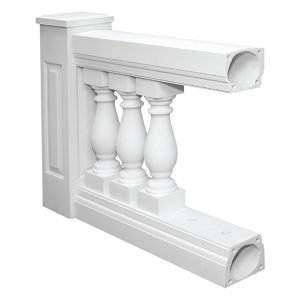
Rigid polyurethane foam is a lightweight, high-strength material that combines thermal insulation, waterproofing, sound insulation, and electrical insulation. It is widely used in the insulation of refrigeration equipment such as refrigerators, cold storage, and refrigerated trucks, as well as in buildings, storage tanks, and pipelines. It can also be used to create wood-like materials and packaging materials.

What is polyurethane flexible foam
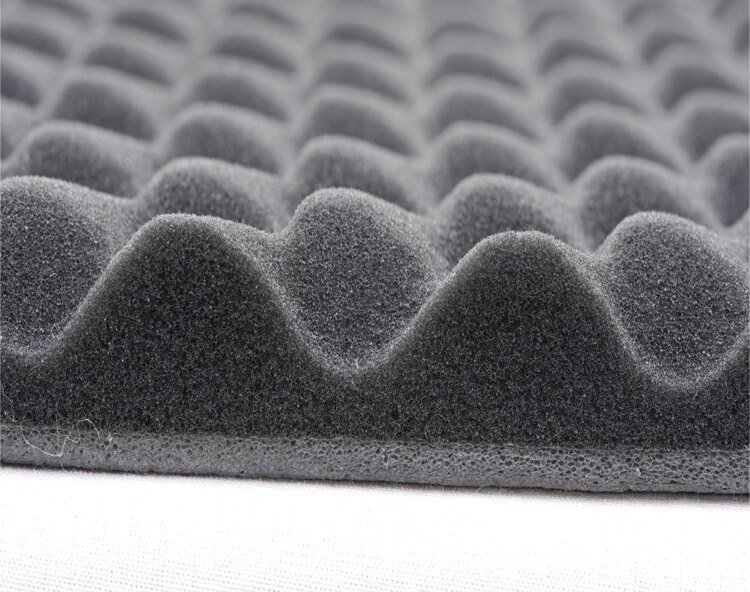
Polyurethane flexible foam has the characteristics of low density, good elastic recovery , sound absorption, breathability and heat preservation. It is mainly used as cushioning materials such as seat cushions and mattresses for furniture and transportation. It can also be used in filtration, sound insulation, shock absorption and packaging.
Main Differences Between Rigid and Flexible PU Foam
The difference between PU rigid foam and flexible foam CELLS
Rigid foam: Usually a closed-cell structure. It has excellent thermal insulation, waterproofness and high strength.
Flexible foam: usually has an open-cell structure. It has better elasticity, sound absorption and breathability.
Generally speaking, flexible foam plastics mostly have an open-cell structure, and hard foam plastics mostly have a closed-cell structure, but there are exceptions.
The difference between the APPLICATION of PU rigid foam and flexible foam
Application of PU rigid foam:
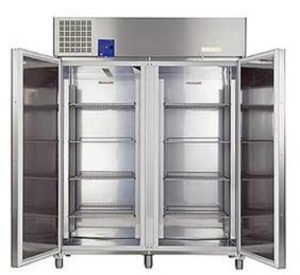
- Thermal insulation : refrigerators, cold storages, refrigerated trucks, building exterior walls, roofs and pipe insulation.
- Structural materials: High-density rigid foam can be made into imitation wood and polyurethane faux stone panels, and used to make furniture and decorations.
- Others: potting materials, packaging materials, etc.
Application of flexible foam:
- Cushioning and filling: sofas, mattresses, car seat cushions, pillows, toys, etc.
- Filtration and sound absorption: filter materials, sound insulation linings.
- Shockproof and packaging: shockproof materials, packaging materials.
The difference between polyurethane rigid foam and flexible foam RAW MATERIALS
Rigid polyurethane foams are typically produced using high-functionality polyols and isocyanates with a high NCO index, while flexible foams are produced using low-functionality polyols and a low NCO index. Semi-rigid foams, which lie somewhere in between, offer a certain degree of strength and flexibility and are commonly used in automotive interiors and steering wheels.
The difference between polyurethane rigid foam and flexible foam ELASTICITY
If the elastic modulus is used as the distinction standard, under the standard environment of 23℃ and 50% relative humidity,
Those with an elastic modulus greater than 686 MPa are rigid foam plastics; those with an elastic modulus less than 68.6 MPa are flexible foam plastics; and those between 68.6 and 686 MPa are semi-rigid foam plastics.
The difference between polyurethane rigid foam and flexible foam ACCORDING TO NATIONAL STANDARDS
Foam plastics that are flexible, have very low compression hardness, can return to their original shape after stress is released, and have small residual deformation are flexible foam plastics; foam plastics that are inflexible, have high compression hardness, deform only when stress reaches a certain value, and cannot return to their original shape after stress is released are hard foam plastics.
The difference between polyurethane rigid foam and flexible foam specified by AMERICAN SOCIETY FOR TESTING AND MATERIALS
The distinction between soft and hard foam plastics is that at a temperature of 18-29°C, within 5 seconds, it is made to wrap around a round rod with a diameter of 2.5 cm. If it does not break, it is a flexible foam plastic; otherwise, it is a hard foam plastic.
The difference between polyurethane rigid foam and flexible foam according to ISO STANDARDS
If the compression deformation reaches 50% and the pressure is released, the thickness of the plastic that is reduced by no more than 2% compared with the original thickness is a flexible foam plastic, if it is greater than 10%, it is a hard foam plastic, and if it is between 2% and 10%, it is a semi-hard foam plastic.
Which Foam Should You Use for Insulation?
The material comparison above answers the laboratory question. In practice the choice is decided by where the foam sits and what it has to survive:
- Cold storage rooms, refrigerated trucks and reefer containers: rigid closed-cell foam, which acts as insulation and moisture barrier in one layer.
- Building exterior walls and roofs: rigid foam, either sprayed on site or installed as prefabricated board.
- Refrigerator and water heater cabinets: rigid foam injected into the cavity by a high pressure PU foam machine.
- Pipework and storage tanks: rigid foam, sprayed in place or supplied as preformed pipe shells.
- Seating, mattresses, packaging cushioning and acoustic lining: flexible open-cell foam.
One rule overrides the list: because open-cell foam takes up water, flexible foam is not a substitute for rigid foam in any position that stays wet or needs a vapour barrier. For continuous wall and roof work the practical equipment question is spraying versus lamination, which is why most projects come down to a PU spray foam machine for wall insulation or a continuous sandwich panel production line. Material specifications for sprayed rigid polyurethane insulation are covered by ASTM C1029.
Summarize
project | polyurethane rigid foam | Polyurethane flexible foam |
Structure Type | Closed-cell structure | Open-pore structure |
density | Higher | Lower |
elasticity | Low | high |
Main performance | Heat preservation, waterproof and high strength | Good elasticity, breathable and sound-absorbing |
application | Refrigerators, building insulation, imitation wood | Sofas, mattresses, car seats |
While both rigid and flexible polyurethane foams are polyurethane foam materials, their differences in structure and performance give them distinct advantages in various applications. Rigid foam, with its excellent thermal insulation, waterproofness, and high strength, is widely used in refrigerators, cold storage, and building insulation. Flexible foam, with its excellent elasticity, comfort, and breathability, is an ideal material for furniture, automotive interiors, and mattresses. Understanding the differences between the two types of foam can help you select the appropriate foam type for your specific production needs, achieving the optimal balance between performance and cost. It also decides the equipment: rigid insulation foam and flexible cushioning foam are produced on two different foaming lines, so the material decision and the machine decision are made together. Pioneer builds both, from the high pressure PU foam machine used for injected rigid parts to the spray and panel lines used for building insulation.
Frequently Asked Questions
Is rigid or flexible foam better for insulation?
Rigid foam. Its closed cells hold the blowing gas in place, so it slows heat transfer far more effectively per unit of thickness than open-cell flexible foam. Flexible foam is not an insulation product; it is a cushioning and sound-absorbing product.
What is the R-value of rigid polyurethane foam?
Rigid polyurethane is among the highest performing insulation materials in common industrial use, and its rated value depends on density, blowing agent and age of the panel, so the figure has to come from the supplier's certificate for the specific formulation rather than from a general table. Test and specification requirements for sprayed rigid polyurethane are set out in ASTM C1029, and background on the material is published by the American Chemistry Council.
Can flexible foam be used as insulation?
Only in a marginal sense. Open-cell flexible foam does slow air movement and absorb sound, but it also absorbs water and loses whatever insulating value it had once damp. For any load-bearing, cold-side or exterior application it should not replace rigid foam.
Is closed-cell foam the same as rigid foam?
In polyurethane they overlap but are not identical terms. Closed-cell describes the cell structure; rigid describes the mechanical behaviour measured by elastic modulus and the standard tests listed above. Most rigid polyurethane foams are closed-cell and most flexible foams are open-cell, but exceptions exist, which is why the ASTM and ISO criteria in this article are defined by deformation rather than by cell type.